
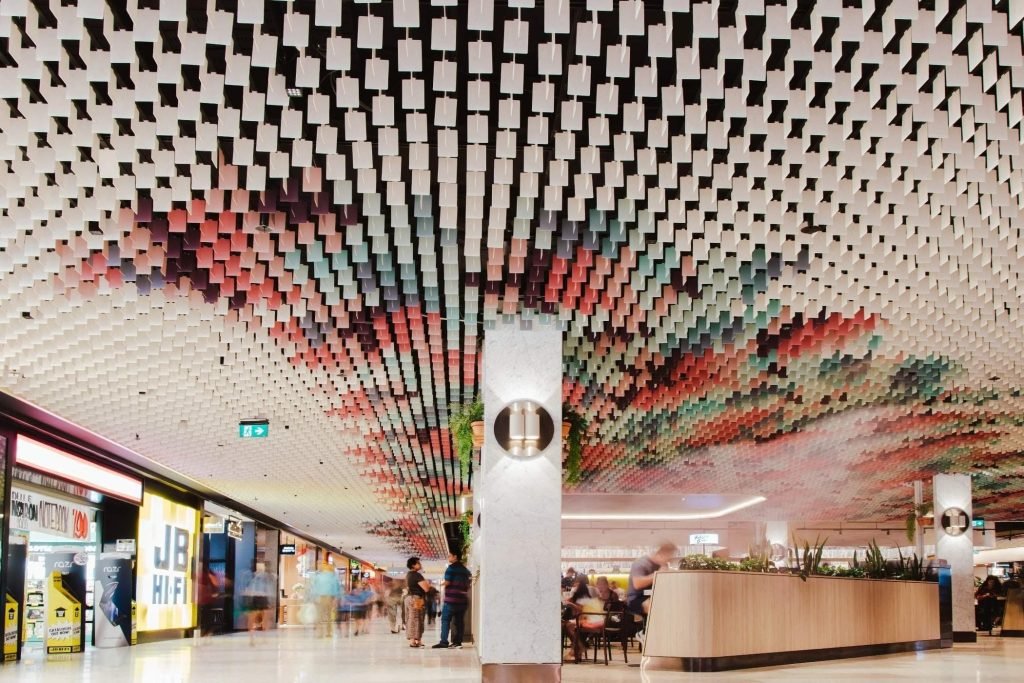
In the world of modern interior architecture, the ceiling is no longer an afterthought. It has transformed from a simple overhead plane into a critical design element that shapes the character, functionality, and comfort of a space. Among the myriad of materials available, aluminium has emerged as a dominant force, creating sophisticated and high-performing ceiling design solutions. From bustling international airports to sterile healthcare environments and sleek corporate headquarters, aluminium false ceilings offer a unique trifecta of aesthetic versatility, robust performance, and long-term sustainability. This comprehensive guide explores why this remarkable material has become the go-to choice for architects, designers, and builders worldwide.
The Ascent of Aluminium: A Brief History and Widespread Adoption
The concept of a suspended ceiling system dates back to the early 20th century, primarily developed to conceal structural elements, wiring, and ductwork. Early systems were often made of fiberboard or plaster. However, the mid-20th century saw the rise of metals in interior finishes, with aluminium taking a leading role due to its unique properties. Initially valued for its lightweight nature and resistance to corrosion, its application in ceiling design was largely functional.
As manufacturing technologies advanced, so did the design possibilities. The evolution from simple lay-in ceiling panels to intricate custom ceiling creations marked a new era. Today, aluminium ceilings are not just problem-solvers; they are statement-makers. Their widespread popularity in commercial, educational, healthcare, and hospitality spaces is a testament to their adaptability. In a bustling retail environment, an aluminium metal ceiling can create a high-tech, modern ambiance. In a hospital, its hygienic properties are paramount. In a luxury hotel, its ability to be molded into bespoke forms adds to the exclusive atmosphere. This journey from a purely utilitarian product to a key architectural feature underscores its enduring appeal.
Core Advantages: The Foundation of Aluminium's Dominance
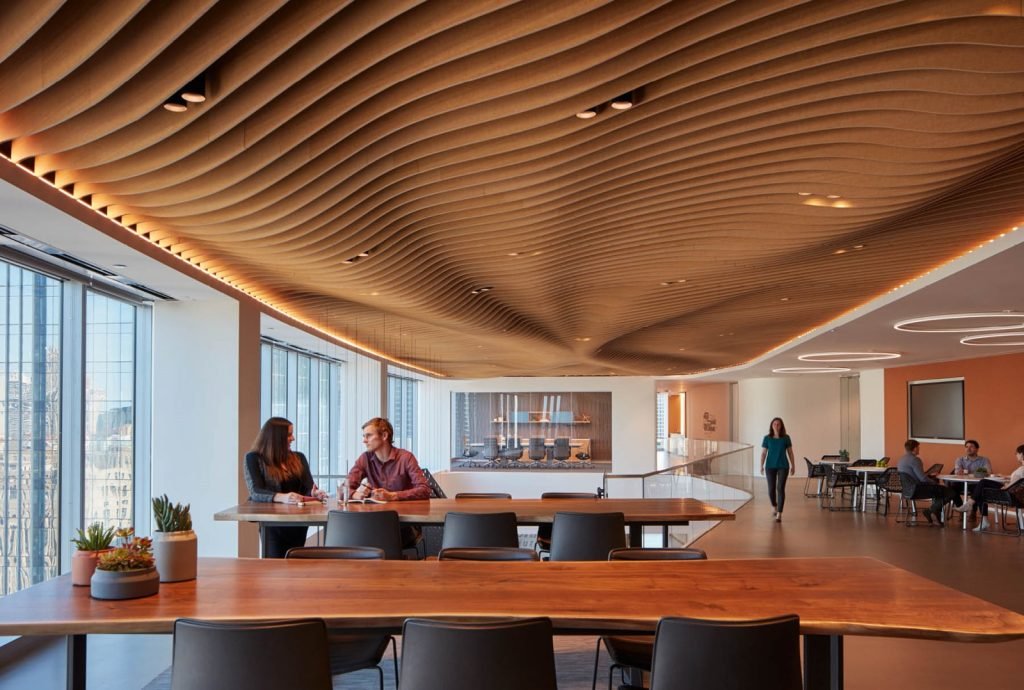
The preference for aluminium in modern ceiling design is built on a foundation of tangible, measurable benefits that appeal to both the practical and creative demands of contemporary construction.
Lightweight, Durable, and Safe
One of the most significant structural benefits of aluminium is its exceptional strength-to-weight ratio. Aluminum ceiling panels are incredibly lightweight, which significantly reduces the dead load on a building’s structure. This makes them easier, faster, and safer to install compared to heavier alternatives like gypsum or plaster, often leading to lower labor costs.
Despite their low weight, these ceilings are remarkably durable. They are resistant to impact, scratches, and the daily wear and tear of high-traffic commercial environments. Crucially, aluminium is a non-combustible material, giving it a high rating for fire safety ceiling applications. It does not burn and will not contribute to the spread of flames or the emission of toxic fumes in a fire, a critical safety requirement for public spaces like transit hubs and schools. Furthermore, its natural corrosion resistance means it will not rust or degrade in humid environments, making it a perfect choice for swimming pools, kitchens, and coastal locations.
Unmatched Design Flexibility and Lifecycle Value
The aesthetic potential of aluminium is virtually limitless. The material can be finished in a vast spectrum of colors, from standard whites and metallics to vibrant custom hues. Finishes can range from smooth powder coats to brushed, polished, and even wood-grain textures that mimic natural materials without the associated maintenance. This versatility allows the ceiling design to be a central part of the brand identity in commercial ceilings or to create a specific mood in hospitality ceilings.
From a financial perspective, aluminium offers outstanding lifecycle value. While the initial investment might be higher than some basic materials, its longevity, minimal maintenance requirements, and resistance to damage result in a lower total cost of ownership. It does not require periodic repainting, is easy to clean, and individual panels can often be replaced without disrupting the entire ceiling, making it a cost-effective and intelligent long-term investment.
A Spectrum of Systems: Types of Aluminium False Ceiling Designs
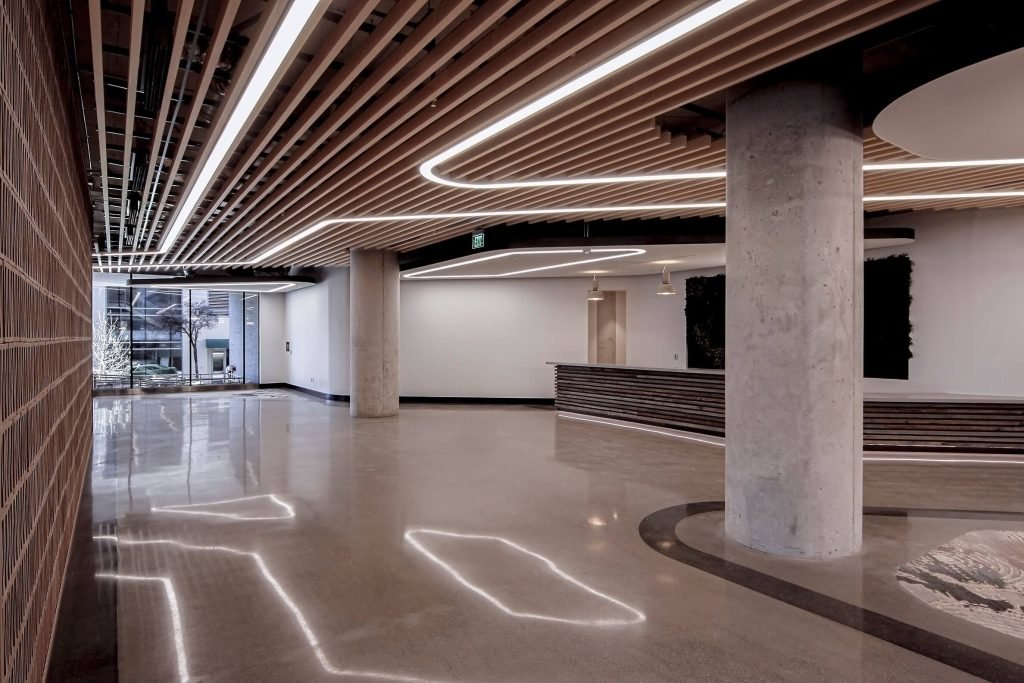
The adaptability of aluminium allows for a diverse range of ceiling systems, each suited to different aesthetic goals, functional requirements, and spatial contexts.
Linear, Panel, and Baffle Systems
Linear ceiling systems, also known as strip ceilings, create a clean, directional aesthetic that can make a space feel longer or wider. They are exceptionally popular in large public areas such as airports and train stations (transportation ceilings), where they can elegantly conceal services while providing a strong visual rhythm.
For a more traditional yet seamless look, clip-in ceiling and lay-in ceiling panels are the standard. Lay-in systems, which sit on a visible grid, offer the easiest access to the ceiling plenum for maintenance. Clip-in systems hide the suspension grid entirely, creating a monolithic and sophisticated appearance ideal for office ceilings and high-end retail spaces.
In recent years, the baffle ceiling has surged in popularity for its ability to create a visually dynamic, modern aesthetic. These vertical blades add depth and texture to a space while offering exceptional acoustic control. They are a powerful tool for architects looking to make a bold design statement while managing sound in open-plan offices, atriums, and restaurants.
Open and Customized Expressions
For designs that require a sense of openness and transparency, open cell ceiling and mesh systems are ideal. These designs partially screen the plenum while allowing for excellent airflow and integration with overhead services. They create a visually interesting layer without completely closing off the ceiling, contributing to a spacious, industrial-chic feel.
Beyond standard systems, the ultimate expression of creativity lies in custom ceiling solutions. Aluminium can be perforated, curved, and shaped into unique three-dimensional forms. Perforated ceiling panels can be customized with different hole sizes and patterns to create visual effects or to enhance acoustic performance. This capability allows the ceiling to become a signature architectural feature, perfectly aligned with a building’s unique identity.
Seamless Integration with Modern Building Infrastructure
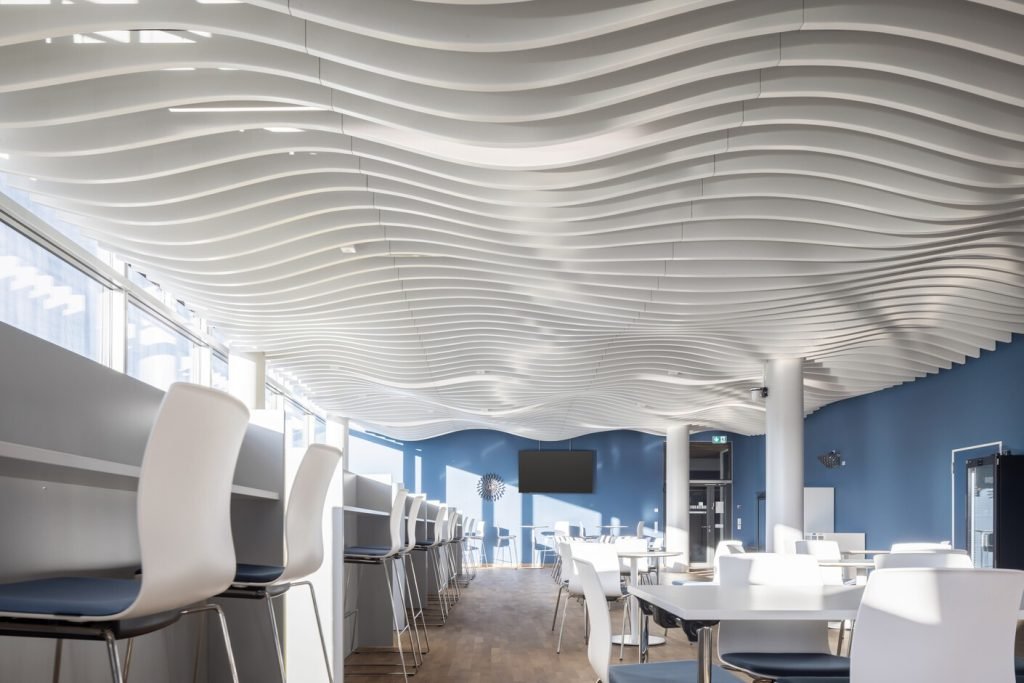
A key function of any false ceiling is its ability to integrate seamlessly with other essential building systems. Aluminium systems are engineered to excel in this role, creating a cohesive and highly functional overhead environment.
Harmonizing Light, Air, and Safety
Modern lighting integration is a core strength of aluminium ceilings. Fixtures like LED strips, downlights, and ambient lighting can be perfectly flush-mounted within or between panels, creating a clean and uncluttered look. The reflective properties of certain aluminium finishes can also help to diffuse light more evenly, enhancing the brightness of a space and potentially reducing energy consumption.
Similarly, HVAC integration is straightforward. Air diffusers, vents, and grilles can be designed as integral parts of the ceiling system, ensuring efficient air distribution without compromising the visual aesthetic. The same applies to fire safety infrastructure. Sprinkler heads and smoke detectors are easily accommodated, ensuring the fire safety ceiling meets all regulatory codes while maintaining its sleek appearance. Advanced systems even offer IoT-readiness, allowing for the discreet integration of sensors for occupancy, air quality, and temperature control.
Mastering Acoustics and Enhancing Environmental Quality
In modern interiors, acoustic comfort is not a luxury—it’s a necessity. Uncontrolled noise can reduce productivity in offices, hinder learning in schools, and detract from the dining experience in restaurants. Aluminium ceilings provide highly effective solutions for sound management.
Engineering a Quieter Environment
By using perforated ceiling panels combined with an acoustic backing (such as a non-woven fleece or encapsulated mineral wool), aluminium systems can achieve excellent sound absorption ratings. The perforations allow sound waves to pass through the metal and be absorbed by the backing material, significantly reducing reverberation and echo. This makes them an ideal acoustic ceiling solution for large, open spaces. Baffle ceiling systems are particularly effective in this regard, as their vertical surfaces disrupt sound waves from multiple angles. For projects with strong environmental goals, sustainable acoustic panels made from recycled or natural materials can be used as backing, further boosting the ceiling’s green credentials.
A Commitment to Sustainability and Green Building

In an era of increasing environmental awareness, the material choices made in construction have a significant impact. Aluminium is a champion of sustainability, making it a preferred material for projects pursuing green building certifications.
The Green Credentials of Aluminium
Aluminium is one of the most recycled materials on the planet. A vast majority of the aluminium ever produced is still in use today. The recycling process requires only a fraction of the energy needed to produce primary aluminium, drastically reducing its carbon footprint. Aluminum ceiling panels often contain a high percentage of recycled content.
This commitment to sustainability makes aluminium ceilings a valuable contributor to green building standards like LEED certification, BREEAM, and Green Mark. Using recycled materials, improving indoor air quality through low-VOC (Volatile Organic Compound) finishes, and enhancing daylighting can all earn valuable points towards these certifications. A well-designed sustainable ceiling is a core component of a truly modern, responsible building.
Diverse Applications: Tailoring Ceilings to Specific Sectors
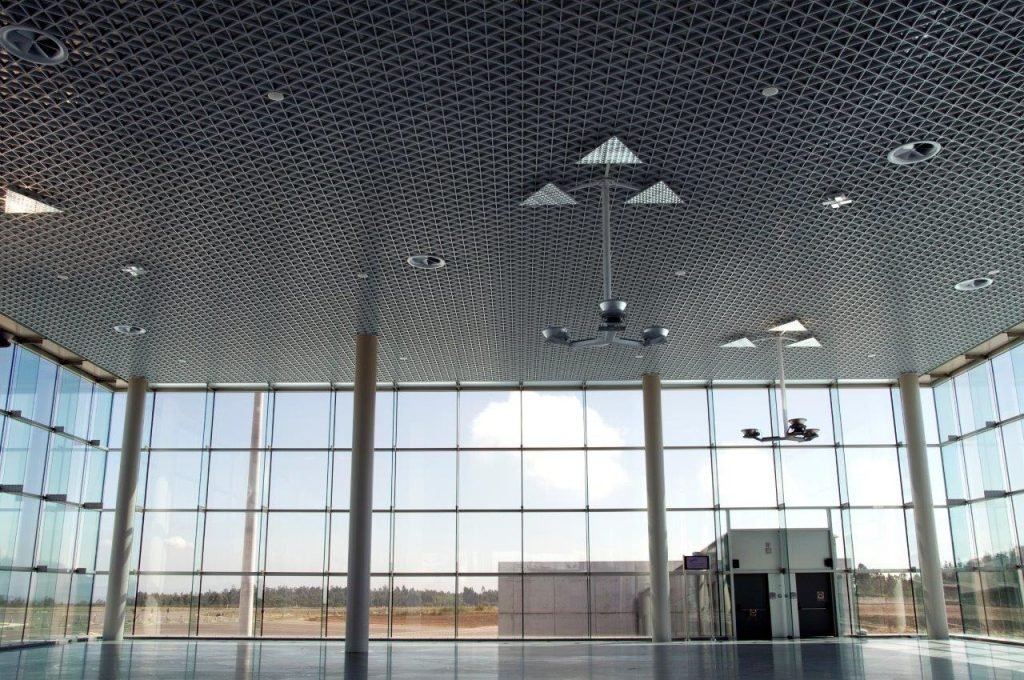
The versatility of aluminium ceiling design is best illustrated by its successful application across a wide range of sectors, each with its own unique demands.
- Commercial Offices & Retail: In the corporate world, a metal ceiling can project a modern, professional image. The clean lines of a linear system or the monolithic feel of a clip-in ceiling contribute to a focused and productive atmosphere. In retail, ceilings can be used for branding, wayfinding, and creating an inviting shopping experience.
- Healthcare & Education: Hygiene and durability are critical in these environments. Healthcare ceilings made of aluminium are easy to clean, non-porous, and do not harbor bacteria, making them ideal for hospitals and labs. Their robustness stands up to the demands of busy school hallways and classrooms.
- Hospitality & Tourism: In hotels and restaurants, aesthetics are paramount. Hospitality ceilings often use custom designs, unique colors, and integrated lighting to create ambiance and luxury. The acoustic properties of baffle and perforated systems are essential for ensuring a pleasant guest experience.
- Transportation Hubs: Airports and train stations require ceilings that are durable, easy to maintain, and can manage acoustics in vast, noisy spaces. Transportation ceilings made with linear aluminium systems are a common and effective solution.
- Residential Projects: While more common in commercial settings, aluminium ceilings are making their way into high-end residential ceilings. Their minimalist aesthetic is a perfect fit for modern lofts and contemporary homes, offering a sleek and sophisticated alternative to traditional ceiling finishes.
Future Forward: Design Inspirations and Emerging Trends
The evolution of ceiling design continues, driven by new technologies and changing architectural philosophies. Aluminium is at the forefront of these trends.
We are seeing a move towards minimalist aesthetics, where a sleek clip-in ceiling creates an uninterrupted plane that complements open-plan living. Parametric design and digital fabrication are enabling the creation of complex, algorithm-driven ceiling geometries that were previously unimaginable, turning the ceiling into a true work of art.
The integration with biophilic design—the practice of connecting architecture with nature—is another exciting frontier. Aluminium ceilings with wood-grain finishes or custom perforations that mimic natural patterns like leaves or water ripples can help create calming, human-centric spaces. The future is also smart; expect to see more ceiling integration with dynamic lighting systems that adjust to circadian rhythms and acoustic systems that adapt in real-time to the occupancy and function of a room.
Conclusion: The Synthesis of Style, Performance, and Sustainability
The dominance of aluminium in modern ceiling design is no accident. It is the result of the material’s unparalleled ability to meet the core demands of contemporary architecture: aesthetic freedom, high performance, and environmental responsibility. An aluminium false ceiling is more than just a cover; it is a high-performance system that integrates light, air, and sound into a single, elegant plane. It offers architects and designers a versatile canvas to realize their vision while providing building owners with a durable, low-maintenance asset that delivers value for decades. As we continue to design spaces that are smarter, healthier, and more inspiring, the lightweight strength and sustainable beauty of aluminium will ensure it remains a cornerstone of forward-thinking interior design for years to come.


