Designing Aluminum Facades for Coastal Environments: Corrosion Resistance and Material Selection Guide
Introduction
Coastal buildings present a unique set of challenges for exterior cladding systems. Salt spray, high humidity, airborne chlorides, and ultraviolet exposure accelerate corrosion and coating degradation, creating a performance risk that affects appearance, safety, and lifecycle cost. For architects, façade engineers, and decision-makers, understanding how alloys, finishes, detailing, and QA interact is essential.
This article explains how to design, specify, and maintain an aluminum facade coastal system that minimizes corrosion, simplifies maintenance, and maximizes service life. The guidance draws on industry-standard test protocols (e.g., ASTM B117 salt-fog, ASTM G85 cyclic corrosion, and AAMA coating standards) and practical on-site best practices—giving you actionable steps to reduce risk and total cost of ownership.
Selecting Materials for aluminum facade coastal Applications
Material selection is the cornerstone of durable coastal façades. Aluminum is attractive for its weight-to-strength ratio, formability, and recyclability, but not all alloys behave equally in marine exposure. Choosing the right alloy and finish, together with isolation strategies for dissimilar metals, prevents premature failures.
aluminum facade coastal – alloy choices and trade-offs
Choose alloys based on exposure and function:
5xxx-series (e.g., 5052, 5083): Excellent corrosion resistance due to magnesium content; preferred for exposed panels and perforated elements. They offer good forming ability but require attention when welding.
3xxx-series (e.g., 3003, 3105): Highly formable and economical; used with coil coatings where shape complexity is high. They have lower intrinsic corrosion resistance and should rely on protective coatings.
6xxx-series (e.g., 6061, 6063): Higher-strength extrusions for structural framing; thermal expansion is comparable but these alloys should be coated or anodized when exposed.
When selecting, balance formability, structural requirements, and galvanic compatibility. Always request mill test reports (MTRs) and confirm temper designations to ensure mechanical and corrosion performance align with design intent.
aluminum facade coastal – surface finishes and coatings
Surface systems determine long-term aesthetics and corrosion resistance:
Anodizing: Creates a durable oxide film. Type II is common for architectural uses; Type III provides thicker protection but may alter saturation and sheen.
PVDF coil coatings (AAMA 2605): Industry standard for long-term color and gloss retention; proven in marine contexts.
Powder coat / polyester: Budget-friendly with variable performance; recommend only in sheltered zones or with aggressive maintenance plans.
Specify film thickness (µm), cross-cut adhesion minimums, and color-fade allowances as part of the contract. Require coating manufacturer certificates, batch traceability, and documented cure profiles to avoid under-cured coatings that will degrade prematurely in salt-laden air.
Design Considerations for aluminum facade coastal Performance
Design detailing and structural accommodation prevent many field problems. Consider drainage, ventilation, thermal movement, and galvanic separation from the earliest schematic stage.
aluminum facade coastal – thermal movement and jointing
Aluminum expands ≈ 22–24 µm/m·°C. For façades:
Provide slotted holes at clip connections to accommodate movement.
Use movement joints at vertical and horizontal rhythms beyond panel runs recommended by the manufacturer.
Avoid over-constraining panels which can produce buckling or coating failure.
A proper thermal-movement strategy reduces stress concentrations in panels and fasteners and avoids early coating fatigue in the most sun-exposed façades.
aluminum facade coastal – drainage, ventilation, and moisture control
Wetting duration controls corrosion rate. Design a rainscreen cavity with:
Drainage paths and weep holes at low points.
Ventilation openings to promote drying.
Drip edges and capillary breaks to keep salt-laden water from pooling.
These simple details reduce time-to-wet and extend coating life dramatically. Where practical, slope cavity substrates to encourage runoff and prevent salt build-up in pockets.
Installation, Fasteners, and Quality Control
Proper installation, materials handling, and on-site QA are as important as material selection. A robust QC program ties supplier documentation to workmanship in the field and prevents field-induced corrosion mechanisms.
aluminum facade coastal – fastener selection and isolation
Fasteners and joinery are common corrosion initiation points:
Use 316/duplex stainless steel fasteners for exposed applications. Duplex stainless adds strength and chloride resistance.
Avoid direct contact with dissimilar metals (e.g., copper, zinc); insert non-conductive washers or isolation strips.
Where possible, use concealed fasteners in panelized systems to reduce maintenance points.
Consider sacrificial coatings on fasteners in extremely aggressive marine zones and avoid zinc-plated carbon steel entirely. For high chloride delivery (e.g., splash zone), duplex stainless or higher is advisable.
aluminum facade coastal – shop and site quality control
Manufacturing and QC best practices reduce variability and risk:
Require mill test reports (MTRs) and coating batch certificates with each shipment.
Measure coating thickness (microns) and record cure profiles; perform adhesion cross-cut tests on samples and maintain records.
Conduct mock-ups and acceptance tests (salt-fog, UV, cyclic corrosion) and only accept batches that pass contractual thresholds.
Implement ISO 9001-like process controls—documented procedures, incoming inspection, and corrective action records build traceable assurance.
On-site, verify clip torques, gap tolerances, and alignment against the mock-up. Record and photograph acceptance checks to support long-term warranty claims.
Performance, Maintenance, and Lifecycle Considerations
Specifying for lifecycle reduces long-term costs. Performance metrics, scheduled maintenance, and predictable recoat windows allow owners to budget effectively and minimize downtime.
aluminum facade coastal – expected service life and monitoring
With proper alloy, finish, and detailing, well-specified aluminum façades commonly achieve 25–40 years before major interventions. Monitoring includes:
Annual visual inspections for chalking, blistering, pitting, and fastener corrosion.
Photographic log of exposed areas and high-spray zones to detect trends.
Performance triggers for maintenance such as adhesion loss (e.g., failure per cross-hatch test) or color change beyond agreed thresholds (Delta E limits).
Establish acceptance thresholds in contract documents to avoid subjective disputes during warranty periods.
aluminum facade coastal – cleaning and repair protocols
Maintenance is predictable and low-tech:
Freshwater rinse to remove salt deposits—frequency depends on exposure (annual to quarterly).
Replace sealants and gaskets per inspection findings (typically every 5–10 years).
Localized touch-ups using manufacturer-approved repair kits for minor coating damage; follow documented surface preparation steps.
Include access requirements (rope-access anchors, davit points, scaffold tie-ins) in the contract so maintenance can be performed safely and economically.
Case Example: Mid-rise Coastal Mixed-Use Project (Hypothetical)
A 12-storey mixed-use façade on the eastern seaboard specified a contemporary perforated rainscreen. The owner prioritized low maintenance and long warranty life to protect rental revenue.
Project specification highlights
Panels: 5052-H34 for primary exposed panels; 3105-H24 for formed soffits and internal linings.
Finish: 70% PVDF coil coating (AAMA 2605) with 35–40 µm DFT and guaranteed color retention per AAMA 2605.
Mock-up underwent 2,000 hours cyclic corrosion simulation and QUV exposure; adhesion and gloss loss were within acceptance criteria.
Maintenance program: annual freshwater washdown, sealant inspection every three years, and photographic logbook.
Lifecycle projection: PVDF system reduced recoat cycles from 15 years (powder coat scenario) to 25+ years, lowering total cost over a 30-year horizon when access and recoat mobilization costs are included.
This hypothetical demonstrates how higher initial material and coating investment frequently returns savings through reduced maintenance and downtime.
Actionable Recommendations and Specifier Checklist
For clear procurement and risk reduction, use this checklist in specifications, RFIs, and bid packages.
Define exposure class: Map building elevations to exposure bands (splash, spray, nearshore, sheltered). Use conservative assumptions within 100 m of mean high water.
Select alloys: 5xxx for exposed panels; 6xxx for structural extrusions (coated/anodized per exposure).
Coating system: Require AAMA 2605 PVDF or specified anodize class with explicit DFT, adhesion, and color-fade metrics.
Fasteners & isolation: Mandate 316/duplex stainless and non-conductive isolation hardware; ban zinc-plated carbon steels.
Shop QA & mock-ups: Mandate MTRs, coating batch certificates, adhesion tests, and a full-size mock-up with acceptance testing before production.
Site QA: Verify clip torque, panel runout, drainage and weep integrity, and provide photographic sign-off for warranties.
Warranty & maintenance: Require manufacturer warranties tied to a documented maintenance manual and schedule to preserve coverage.
aluminum facade coastal – procurement language tips
Include clauses that require coating manufacturer indemnity for color and film integrity, specify acceptable failure criteria (e.g., no substrate exposure after 1,000-hour salt-fog), and mandate third-party testing for qualifying samples.
Additional Technical Considerations
Beyond alloy and coating choice, several technical details influence long-term performance in coastal settings. Addressing these at design stage avoids expensive remediation later.
aluminum facade coastal – anodize thickness and expectations
Anodize treatments provide a passive barrier; specify thickness to match exposure:
Type II anodize: typically 5–15 µm; acceptable for moderate coastal environments if color retention is less critical.
Type III (hard anodize):20–50 µm; offers better abrasion resistance and corrosion performance, though appearance is darker.
Require post-anodize sealing (hot water or nickel acetate) to reduce porosity and salt ingress, and document batch numbers in shipping records.
aluminum facade coastal – coil coating film properties
For coil-coated systems:
Specify minimum dry film thickness (DFT) for primer and topcoat (e.g., 20–35 µm primer + 20–25 µm topcoat = 40–60 µm total).
Require mill-provided cure profiles and cross-link performance; under-cured films chalk and lose adhesion quickly in marine exposure.
State color-change (Delta E) limits over 10 years (e.g., ΔE < 5) to align warranty obligations with performance expectations.
Procurement Clauses and Contract Language
Clear procurement language reduces disputes and clarifies acceptance criteria for both manufacturers and installers.
Material traceability: “All extrusions and coils shall be supplied with mill test reports indicating alloy, temper, and chemical composition.”
Coating certification: “Coating manufacturer to provide batch certificate and AAMA 2605 compliance statement. Panels to achieve ≥35 µm DFT and pass cross-cut adhesion and 1000-hour salt spray without substrate exposure.”
Mock-up and tests: “A full-size mock-up shall be fabricated and subjected to adhesion, salt-fog (ASTM B117), and cyclic corrosion tests. Acceptance required prior to production.”
aluminum facade coastal – warranty and holdback
Require manufacturer warranties for film integrity and color retention; include owner recourse such as repair, replacement, or financial holdbacks if acceptance criteria are not met after 24 months.
Consider phased payments with retention until one-year post-installation inspection confirms no premature failures.
Economic Considerations and Lifecycle Modeling
Decisions should be informed by lifecycle cost analysis, not just initial procurement price.
aluminum facade coastal – lifecycle drivers and ROI
Key drivers:
Initial material and coating costs vs frequency of recoats.
Access and maintenance costs (rope-access vs scaffold mobilization).
Replacement risk from galvanic failures or severe coating breakdown.
A simple ROI model that includes access mobilization, recoat frequency, and replacement risk usually favors higher-performance coatings (AAMA 2605) in true coastal exposure zones.
Final design checklist (quick)
Confirm exposure class and distance to mean high water.
Select alloy and finish per exposure.
Specify AAMA 2605 or Type III anodize when appropriate.
Document a maintenance program with washdown frequency and inspection intervals.
Comparison Table: Finish Trade-offs
Finish Type
Corrosion Resistance
Typical Recoat Interval
Approx. Relative Cost
70% PVDF (AAMA 2605)
High
20–30 years
High
Type III Anodize
Medium–High
15–25 years
Medium
Polyester/Powder Coat
Medium
5–10 years
Low
FAQ
General Questions
Q1: How do I choose an alloy for coastal facades?
A1: For aluminum facade coastal projects, prioritize 5xxx-series alloys (5052, 5083) for exposed panels because of superior chloride resistance. Use 3xxx-series where formability is essential but pair with robust coil coatings and require MTRs to ensure traceability.
Q2: Is PVDF necessary for coastal aluminum facades?
A2: PVDF (AAMA 2605) is strongly recommended for aluminum facade coastal use when long-term color and gloss retention are priorities. It reduces recoat frequency and better resists salt and UV compared with polyester systems.
Technical Questions
Q3: What fasteners are best for marine exposures?
A3: Use 316 or duplex stainless steel fasteners in aluminum facade coastal systems; ensure isolation from dissimilar metals with non-conductive washers to prevent galvanic corrosion. Avoid plain carbon steel.
Q4: How often should coastal aluminum facades be cleaned?
A4: For aluminum facade coastal locations, rinse with fresh water at least annually; increase to quarterly or biannually in direct wave-spray zones. Frequent cleaning prevents salt crystallization and extends coating life.
Q5: What tests should be specified for durability?
A5: Specify salt-fog (ASTM B117), cyclic corrosion (ASTM G85), adhesion cross-hatch, and QUV weathering tests for aluminum facade coastal systems. Include acceptance criteria and require mock-up performance before bulk production.
Looking for custom-designed ceilings, walls, or facades to elevate your project? Explore PRANCE Design’s integrated design and manufacturing solutions, and create the perfect fit for your architectural needs today!

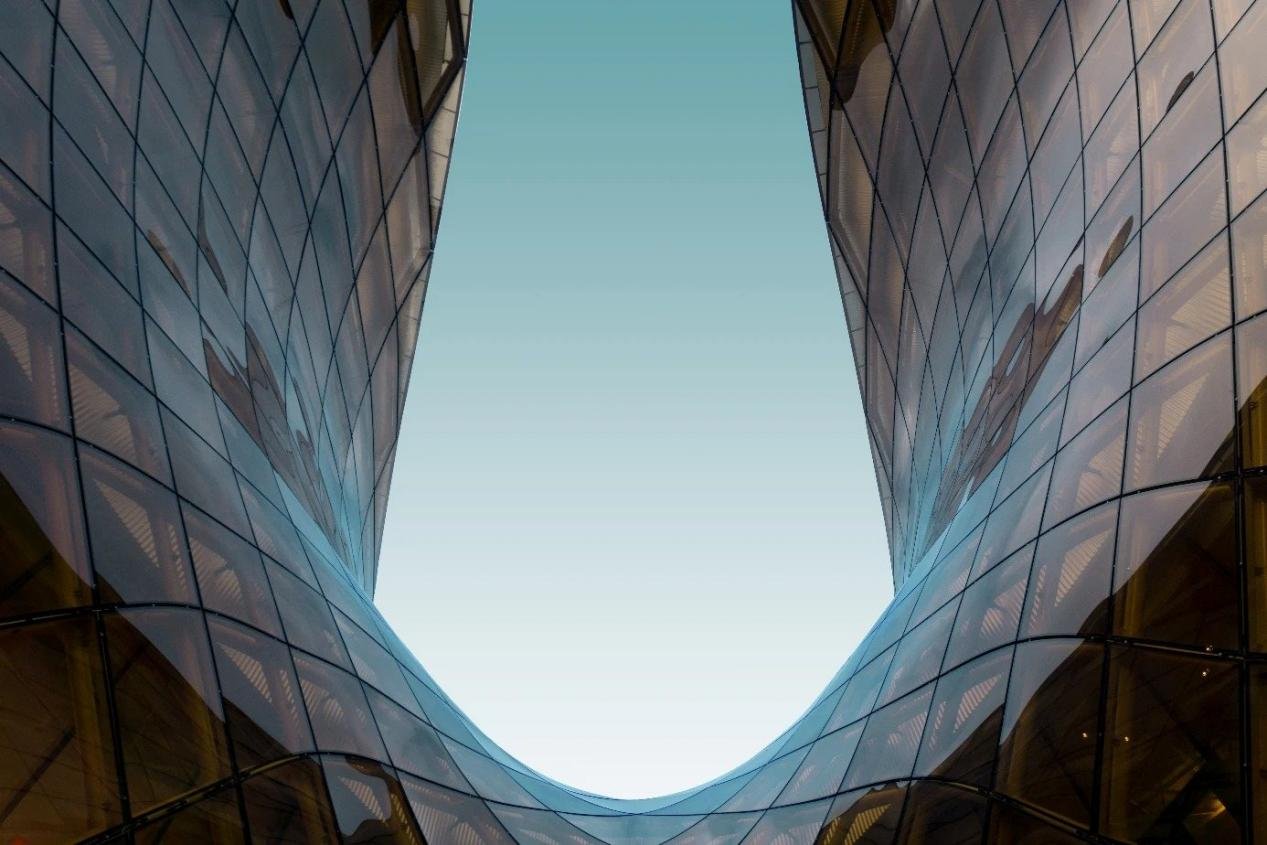 Coastal buildings present a unique set of challenges for exterior cladding systems. Salt spray, high humidity, airborne chlorides, and ultraviolet exposure accelerate corrosion and coating degradation, creating a performance risk that affects appearance, safety, and lifecycle cost. For architects, façade engineers, and decision-makers, understanding how alloys, finishes, detailing, and QA interact is essential.
This article explains how to design, specify, and maintain an aluminum facade coastal system that minimizes corrosion, simplifies maintenance, and maximizes service life. The guidance draws on industry-standard test protocols (e.g., ASTM B117 salt-fog, ASTM G85 cyclic corrosion, and AAMA coating standards) and practical on-site best practices—giving you actionable steps to reduce risk and total cost of ownership.
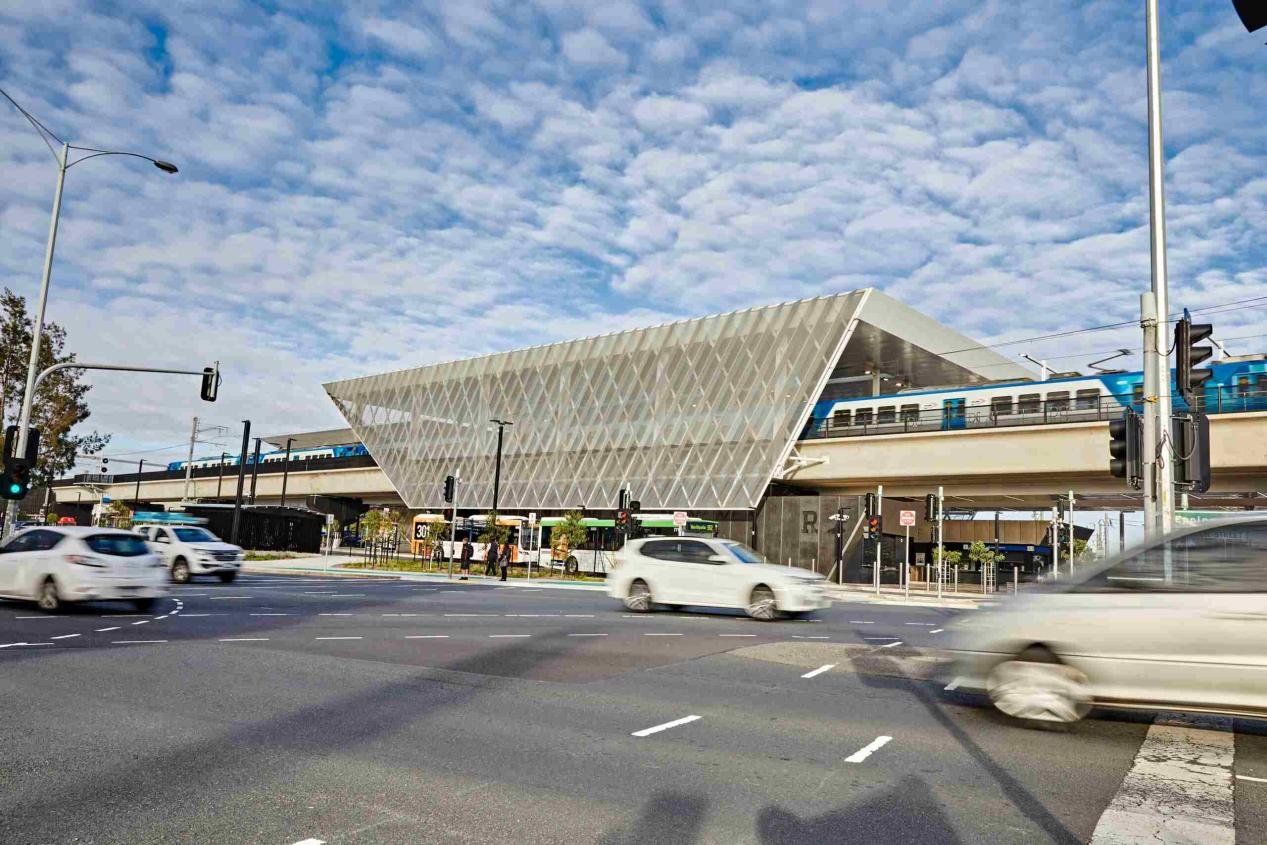 Material selection is the cornerstone of durable coastal façades. Aluminum is attractive for its weight-to-strength ratio, formability, and recyclability, but not all alloys behave equally in marine exposure. Choosing the right alloy and finish, together with isolation strategies for dissimilar metals, prevents premature failures.
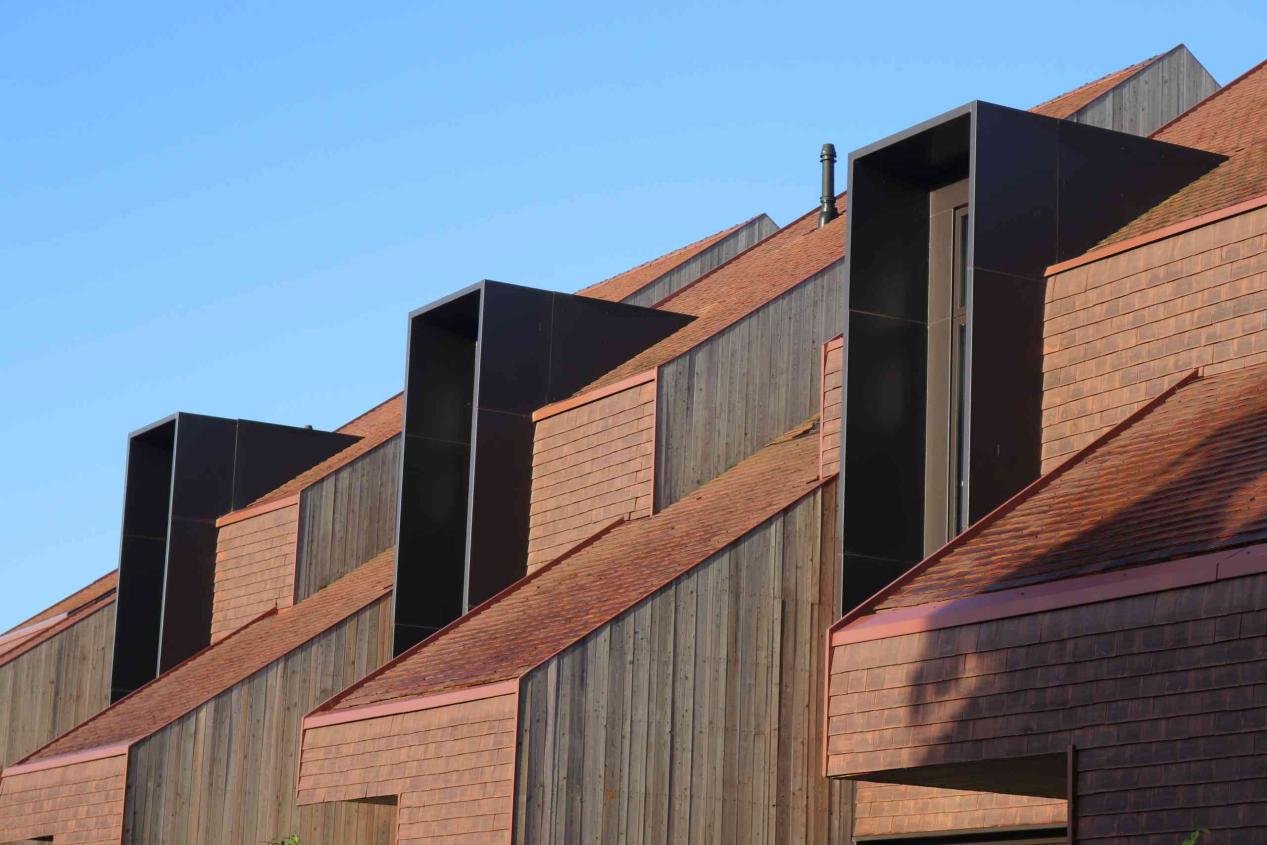 Design detailing and structural accommodation prevent many field problems. Consider drainage, ventilation, thermal movement, and galvanic separation from the earliest schematic stage.
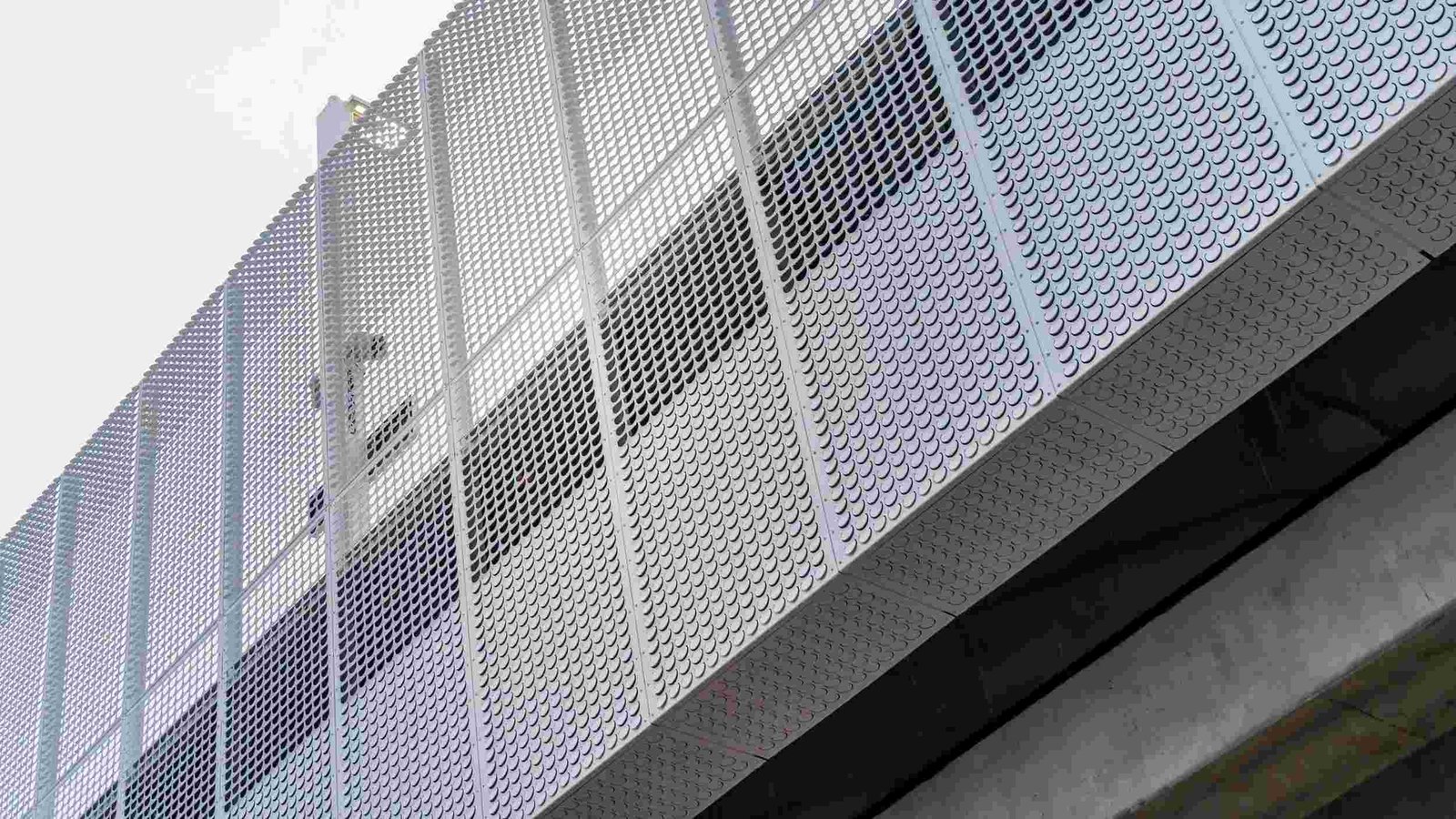 Proper installation, materials handling, and on-site QA are as important as material selection. A robust QC program ties supplier documentation to workmanship in the field and prevents field-induced corrosion mechanisms.
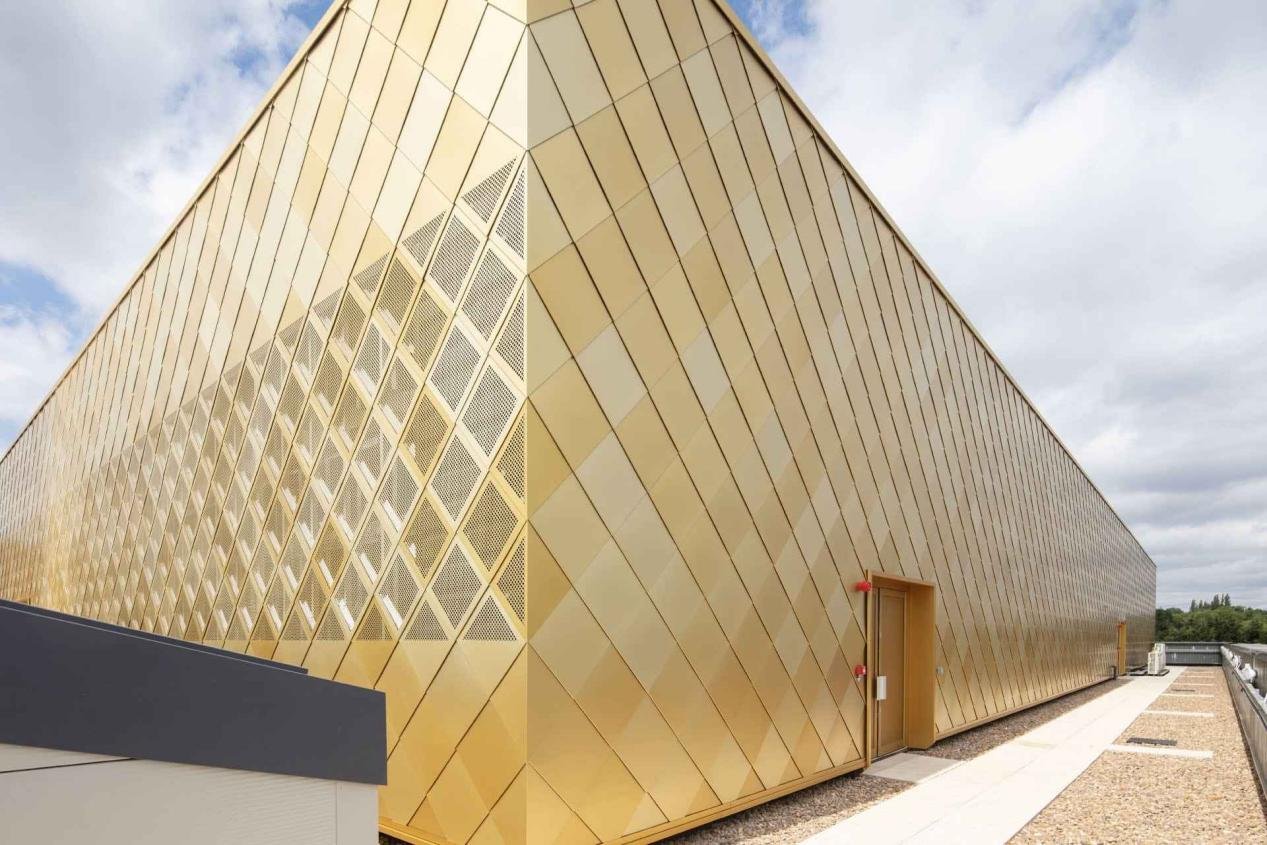 Specifying for lifecycle reduces long-term costs. Performance metrics, scheduled maintenance, and predictable recoat windows allow owners to budget effectively and minimize downtime.
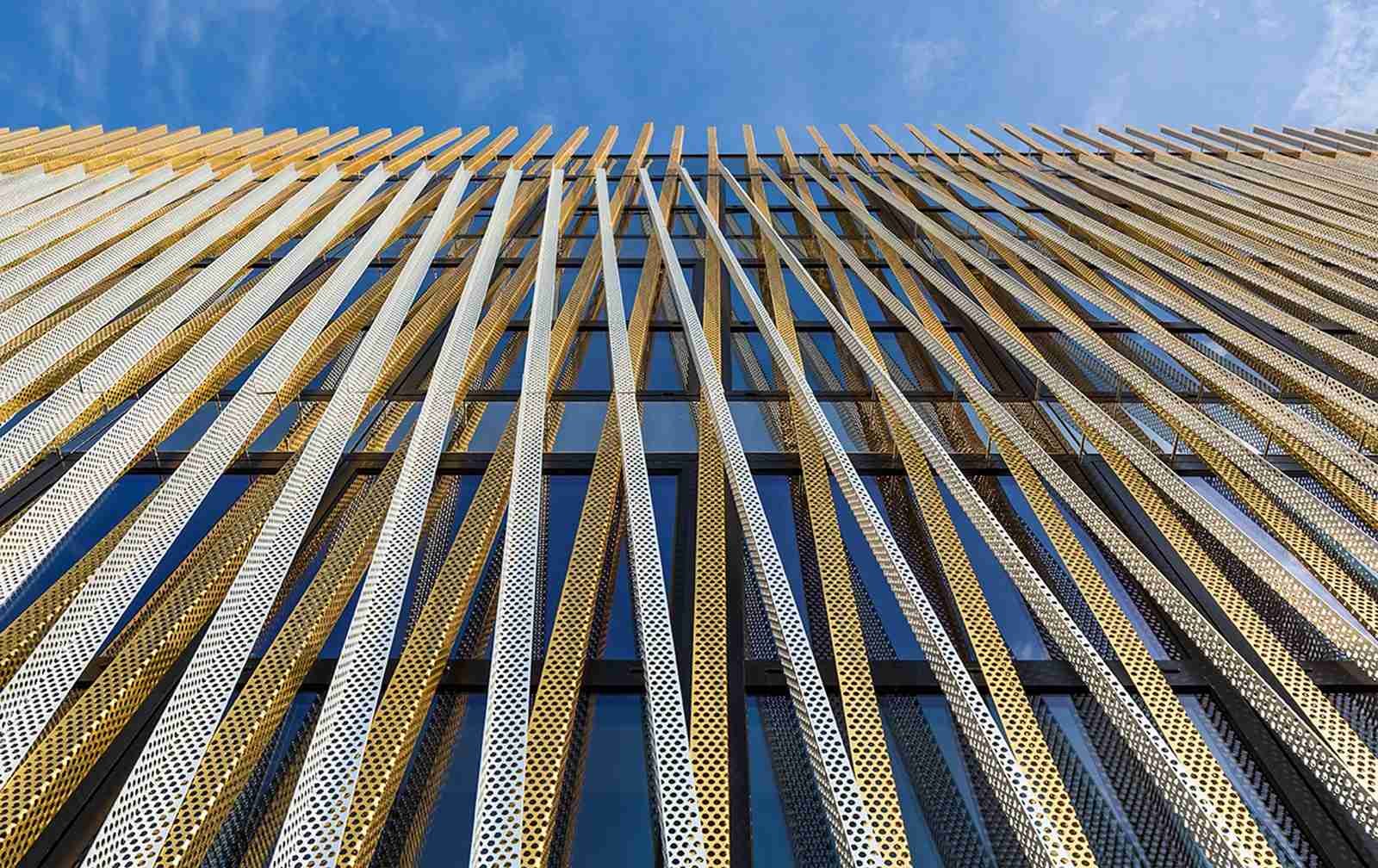 A 12-storey mixed-use façade on the eastern seaboard specified a contemporary perforated rainscreen. The owner prioritized low maintenance and long warranty life to protect rental revenue.
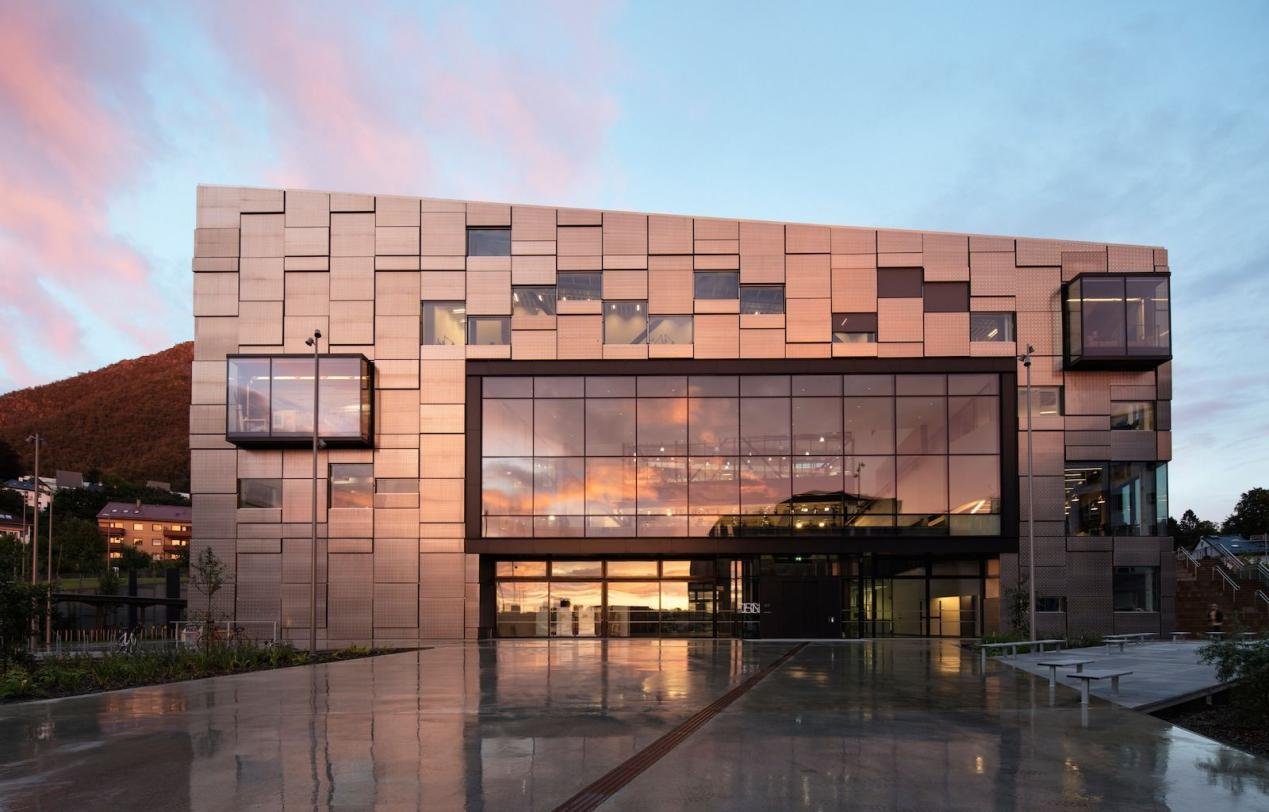 For clear procurement and risk reduction, use this checklist in specifications, RFIs, and bid packages.
 Decisions should be informed by lifecycle cost analysis, not just initial procurement price.