What factors determine the long-term durability of a glass facade in harsh climate zones?
Introduction
A resilient glass facade is more than an aesthetic choice — it is a long-term building system that must withstand wind, salt, thermal cycles, and maintenance realities. For architects, contractors and developers specifying glazed envelopes in harsh climate zones, understanding which factors drive longevity reduces lifecycle cost and risk. This article explains the material, design, manufacturing and operational considerations that determine long-term durability of a glass facade, providing measurable guidance, specification language and maintenance strategies that reduce total cost of ownership and operational disruption.
Key technical features that determine glass facade durability
Glass facade glazing types
Selecting the correct glazing system is foundational. Single-pane glass is not acceptable for harsh climates; insulated glass units (IGUs) with low-E coatings, laminated interlayers, and appropriate spacer systems provide thermal control, acoustic performance and impact resistance. Durability metrics to watch include U-value, solar heat gain coefficient (SHGC), visible light transmittance (VLT), and laminated interlayer retention after accelerated UV and salt spray tests. Additionally, specify IGU performance targets such as mean glass breakage resistance, spontaneous fracture probability limits for tempered vs heat-strengthened glass, and acceptance criteria for post-accelerated-weathering visual inspection.
Glass facade framing systems and thermal breaks
The frame transmits loads and creates the primary barrier against moisture and air infiltration. Aluminum mullions must include thermal breaks sized for expected temperature differentials. Look for tested systems with documented cyclic movement performance and water infiltration rates per recognized test methods. Frame finish, anodizing thickness (microns) or powder-coat specification, and corrosion-resistant fasteners are critical in coastal or industrial environments. Pay attention to anchor design that allows controlled slip and rotation; specify stainless-steel reinforcement in anchor zones where chloride ingress is likely.
Sealants, gaskets and spacers
Edge durability is often the weak link. Choose neutral-curing silicone or polysulfide sealants specified for movement capacity and adhesion to both glass and frame substrates. Warm-edge spacers reduce condensation risk and limit gas migration in IGUs. EPDM gaskets with proven UV resistance and low compression set extend joint life. Also consider secondary seals (hot-melt or polysulfide) and desiccant selection in sealed units to avoid moisture ingress and internal fogging that accelerates replacements. In addition, consider the role of edge treatment on glass longevity: polished edges and protective edge coatings reduce initiation sites for stress corrosion, particularly where chlorides are present. For large-format glazing, specify heat-treated or heat-strengthened products with validated residual stress profiles to minimize spontaneous breakage.
Design considerations for a resilient glass facade
Wind and seismic load strategies for glass facade design
Design to code-calculated wind pressures and dynamic wind loads. For high-wind zones, specify laminated glass with interlayer reinforcement where fragment retention is essential. Use finite element analysis on large panels to ensure stress remains within glass design strengths under combined load cases. Factor in building sway and thermal movement when sizing anchors and joints. For seismic areas, provide movement joints in the curtain wall grid and reinforce connections to tolerate cyclic displacements. Over-specifying movement capacity by 10–20% in highly dynamic zones reduces the risk of edge stress and premature seal fatigue.
Solar heat, condensation control and thermal stress for glass facade
Thermal gradients drive stress and seal failure. Use low-E coatings and appropriate cavity gas fills (argon/krypton) to control center-pane temperatures. Orientations with high solar exposure require calculated SHGC targets and potential use of spectrally selective coatings. Controlling dew point and warm-edge spacers reduces condensation and the associated biological growth that can degrade seals and aluminum finishes. In practice, specifying warm-edge spacers and limiting center-glass temperature rise to manufacturer-recommended limits reduces sealant elongation cycles and extends service life.
Modular design and redundancy
Design for replaceability. Modular unitized panels and smaller IGU sizes reduce replacement time after impact or seal failure. Redundancy (primary silicone + secondary hot-melt) and mechanical retention systems can prevent progressive failure following a local breach, keeping the remainder of the envelope functional while repairs proceed. Consider mechanical backup retainers at perimeter glazing in regions with known debris hazard or for critical-occupancy zones.
Installation, QA and manufacturing best practices
Factory fabrication and quality control practices
Manufacturing quality significantly influences field longevity. Use production controls such as laminated glass autoclave records, IGU hermetic seal testing per recognized industry methods, and powder-coat thickness audits. Batch traceability — linking each IGU to glass lot numbers, interlayer batch, desiccant batch and autoclave cycle — is a best practice that prevents early failures and speeds warranty investigations. Manufacturers should document tolerance controls and perform periodic accelerated weathering and salt-spray sampling to validate materials for specific exposures.
On-site installation and contractor qualifications
Installers must follow manufacturer instructions and mock-up approvals. Require installers with documented project experience in similar climates and include install checklists in contracts. Install using torque-controlled fasteners, calibrated glazing presses for gasket seating, and provide temporary shrouds during construction to avoid surface damage. Track environmental conditions during installation; avoid sealing in rain or when substrate temperatures are outside manufacturer recommendations. Mock-ups should include full-height curtain wall sections with thermal breaks, flashings and drainage to validate real-world behavior. Use third-party testing of mock-ups under cyclic water and pressure conditions. Additionally, provide training sessions for on-site crews, and require photographic records of critical stages, such as anchor installation and sealant tooling, to mitigate installation risk.
Field testing, commissioning and handover
After installation perform water infiltration testing (ASTM E1105 or equivalent), air permeation testing, and thermal imaging to detect cold-bridges or leaks. Record all remedial work and include a commissioning report as part of handover. Provide clear maintenance and cleaning instructions tailored to coatings, spacers and sealants used, backed by manufacturer data sheets. A documented handover package with drawings, test results and maintenance schedules minimizes later disputes and clarifies responsibilities.
Performance, maintenance and long-term monitoring
Inspection schedules, metrics and acceptable thresholds
Establish routine inspections: visual quarterly checks for coastal projects and biannual for milder climates. Key metrics include sealant adhesion, secondary drainage clearances, fastener corrosion rate and glass edge-chips or crack counts. Define remediation thresholds (for example: replace IGUs when >5% of units show internal condensation or when 3 or more edge chips per unit compromise strength). Capture inspection data in a chronological log to identify trends; trend-based triggers outperform simple interval schedules for long-lived envelopes.
Routine maintenance tasks and cleaning protocols
Maintenance reduces deterioration rates. Tasks include cleaning with approved, pH-neutral detergents, scheduled re-sealing of perimeter joints (commonly every 10–15 years depending on exposure), lubrication of operable hardware, and planned replacement of failed IGUs. Avoid abrasive cleaners and high-pressure washing near seals that can erode joint materials. Maintain a cleaning log and condition photos for lifecycle management. Tailor cleaning frequency to local pollutants — coastal salt, industrial particulates or biological growth each change cleaning cadence.
Predictive maintenance and digital monitoring
For high-value façades, use sensors and drones to build a condition baseline: moisture sensors at cavity drain points, periodic drone-based high-resolution imagery to map micro-cracks, and strain gauges at critical mullion connections. Analyze trends to shift from reactive to predictive maintenance, which reduces emergency replacements and unplanned downtime. Quantify life-cycle costs: capture energy savings from improved U-values, forecast replacement cadence for IGUs, and model maintenance costs using local labor rates. Use metrics such as energy saved per square meter and expected maintenance cost per year to make transparent trade-offs between initial capital expenditure and operating costs.
Case study: hypothetical coastal high-wind glass facade project
Project background and climate conditions
A 25-story mixed-use tower sited on a North Atlantic coast faces salt spray, hurricane-level winds, and large thermal swings. Project goals: 50-year service life, minimal loss of occupancy during repairs, and energy performance better than code by 20%. Site-specific inputs included annual mean wind speeds, 100-year gusts, salt-spray exposure zones, and daylighting targets.
Material choices, testing and QA measures
The design team specified laminated triple-glazed IGUs with 1.52 mm PVB interlayers for outer layers and a central low-E coated lite. Warm-edge stainless spacers with high-capacity desiccant were used and argon-filled cavities lowered U-values by roughly 30% compared to a double-glazed reference. Frames were extruded from 6063-T6 aluminum with 40 μm anodize plus a two-coat polyurethane system. QA included batch autoclave logs, IGU hermeticity testing, and mock-up testing that passed high-pressure water tests and cyclic thermal exposures.
Outcomes, maintenance plan and lessons
After five years of staged field checks correlated with accelerated weathering data, the assembly exceeded project infiltration targets and required only minor sealant touch-ups. The manufacturer’s factory QA and the requirement for batch traceability avoided a common failure mode: incompatible desiccant contamination. The project budgeted for staged IGU replacement at year 25 as routine lifecycle work, and instituted a predictive maintenance contract which reduced emergency repair costs by estimated 35% over the first 30 years.
Comparison table: common IGU and glass choices
System
Strengths
Trade-offs
Tempered IGU
Higher breakage strength, faster production
No fragment retention when broken
Laminated IGU
Impact resistance, fragment retention, acoustic benefits
Higher cost, heavier
Triple-glazed laminated IGU
Best thermal performance and safety
Highest cost and weight
Actionable recommendations and specification checklist
Performance-based specs: list U-value, SHGC, water infiltration limit and design pressure rating.
Mandate laminated IGUs for impact or high-wind zones and define interlayer type and thickness.
Factory QA: require autoclave cycle logs, IGU hermeticity results, coating thickness reports, and material mill certificates.
Drainage redundancy: pressure-equalized zones and multiple drain paths in heavy-rain locations.
Installer prequalification and mock-up water tests with acceptance criteria.
Maintenance contract: planned resealing, hardware servicing, and replacement budget lines.
Early supplier engagement: align on testing protocols and warranty terms at procurement stage.
Addressing common objections and concerns
Concern: “Glass facades are too fragile for severe climates.”
Modern laminated insulated systems with tested framing and redundant seals perform reliably. Designing for fragment retention, mechanical backup systems and modular replacement mitigates fragility and allows rapid repairs without entire-facade intervention.
Concern: “Maintenance costs will be prohibitive.”
Higher-spec glazing reduces long-term replacement and energy costs. A life-cycle cost analysis typically shows payback on better-performing IGUs through energy savings and reduced emergency repairs; budgeting predictable maintenance is cheaper than reactive replacement and tenant disruption.
Concern: “Wind-borne debris will break large panels.”
Mitigate by specifying laminated glass, mechanical retention, smaller panel sizes, protective screening or sacrificial layers where debris exposure is chronic. Design with replaceable modules so damage is isolated.
Manufacturing and quality control best practices (brief)
Manufacturers should maintain full traceability of glass lots and interlayers, control autoclave cycles for laminates, perform hermetic testing on IGUs per recognized methods, and document coating thickness and adhesion tests. Consistent QC reduces field failures and supports enforceable warranties. Where possible, require third-party audits of critical QA processes for high-exposure projects.
Final thoughts for specifiers and decision-makers
Durability in harsh climates is an integrated outcome of materials, design, manufacturing and operations. Insist on measurable performance targets, demand QA documentation, and plan predictable maintenance. These steps convert a glazed aesthetic into a reliable, long-lived asset. Finally, engage early with suppliers to align on testing protocols and warranty terms — early collaboration often avoids adversarial disputes later in the asset lifecycle.
FAQ
Q1: How often should a glass facade be inspected?
A: Inspect a glass facade quarterly in coastal/high-wind zones; biannually in moderate climates. Inspections should check sealant adhesion, drainage routes and fastener corrosion, and be logged to inform maintenance cycles.
Q2: What glass facade glazing types are best for impact resistance?
A: Laminated insulated glass units (laminated IGUs) offer fragment retention and higher impact resistance. Specify interlayer type and thickness to meet project impact and safety criteria.
Q3: Can sealant failure be prevented on a glass facade?
A: Sealant failure is reduced by specifying neutral-cure silicones rated for movement, ensuring substrate preparation, and using mock-ups. Regular maintenance and timely resealing prevent progressive failure.
Q4: Will a glass facade increase energy costs in harsh climates?
A: Properly specified glass facade systems lower energy use: low-E coatings, cavity gases and warm-edge spacers improve insulation and reduce heating and cooling loads.
Q5: What QA documents should be required for durable glass facades?
A: Require autoclave logs, IGU hermeticity tests, coating thickness reports and mill certificates. These documents underpin warranties and confirm manufacturing quality.
Looking for custom-designed ceilings, walls, or facades to elevate your project? Explore PRANCE Design’s integrated design and manufacturing solutions, and create the perfect fit for your architectural needs today!

 A resilient glass facade is more than an aesthetic choice — it is a long-term building system that must withstand wind, salt, thermal cycles, and maintenance realities. For architects, contractors and developers specifying glazed envelopes in harsh climate zones, understanding which factors drive longevity reduces lifecycle cost and risk. This article explains the material, design, manufacturing and operational considerations that determine long-term durability of a glass facade, providing measurable guidance, specification language and maintenance strategies that reduce total cost of ownership and operational disruption.

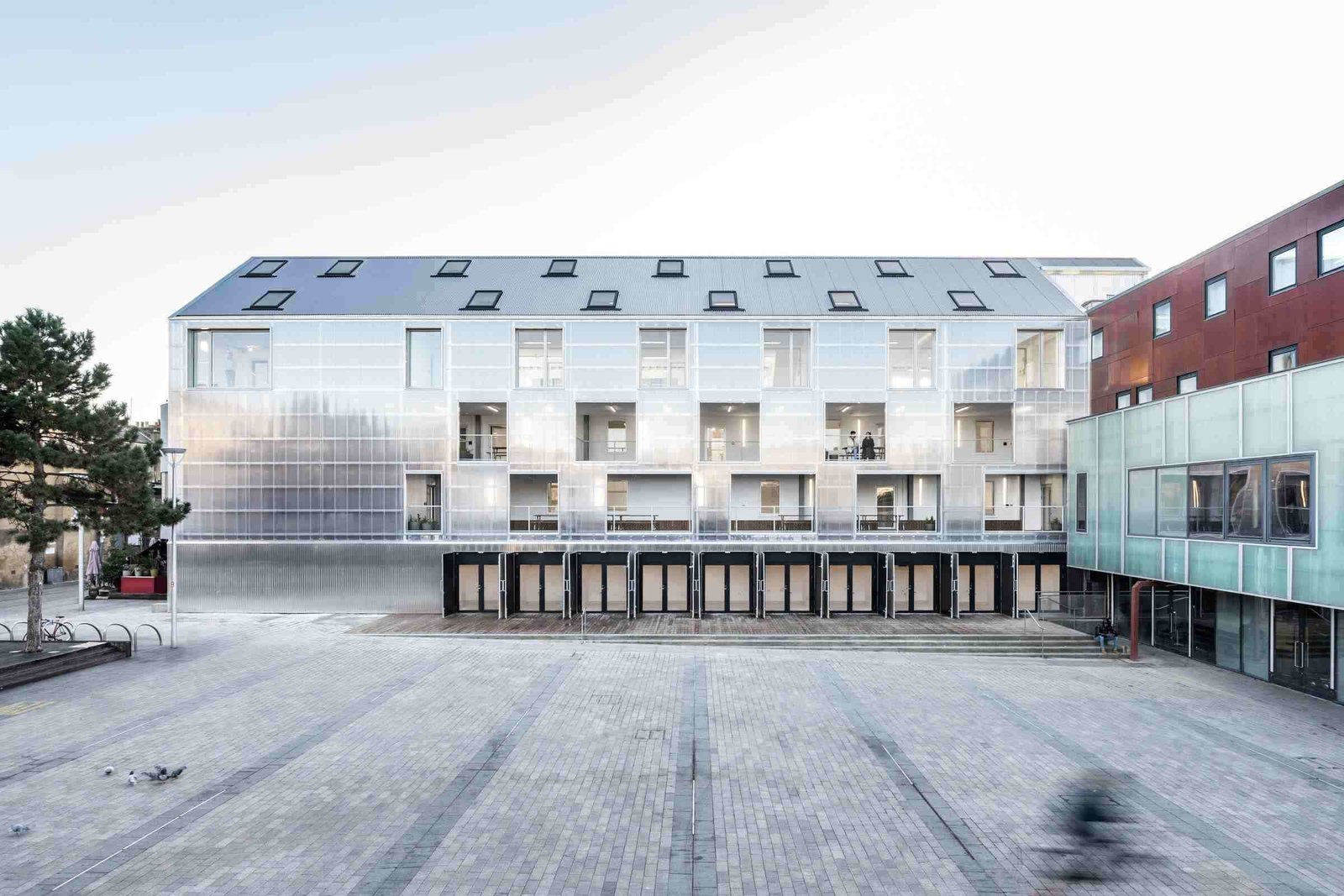


 Manufacturers should maintain full traceability of glass lots and interlayers, control autoclave cycles for laminates, perform hermetic testing on IGUs per recognized methods, and document coating thickness and adhesion tests. Consistent QC reduces field failures and supports enforceable warranties. Where possible, require third-party audits of critical QA processes for high-exposure projects.
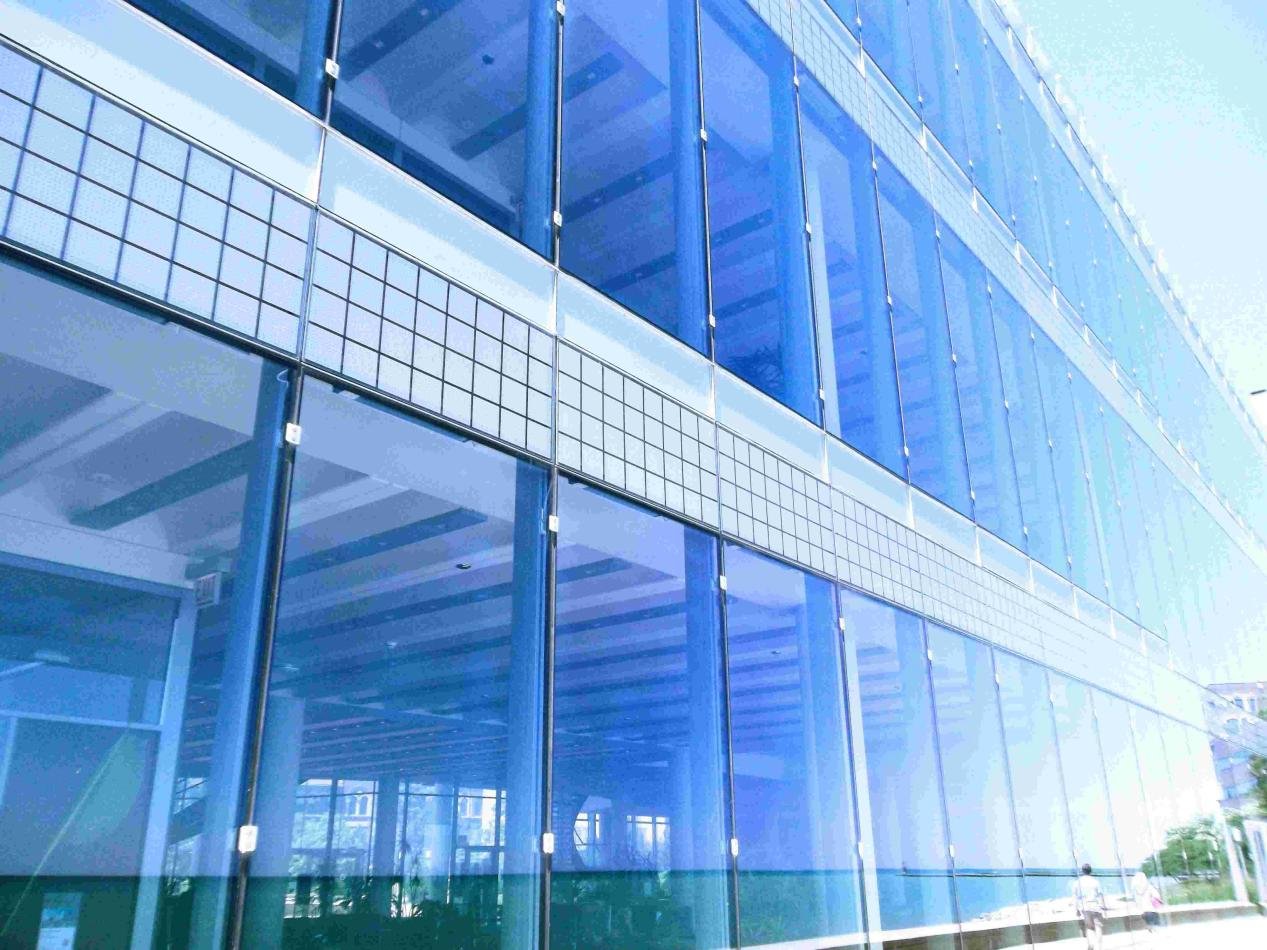 Durability in harsh climates is an integrated outcome of materials, design, manufacturing and operations. Insist on measurable performance targets, demand QA documentation, and plan predictable maintenance. These steps convert a glazed aesthetic into a reliable, long-lived asset. Finally, engage early with suppliers to align on testing protocols and warranty terms — early collaboration often avoids adversarial disputes later in the asset lifecycle.