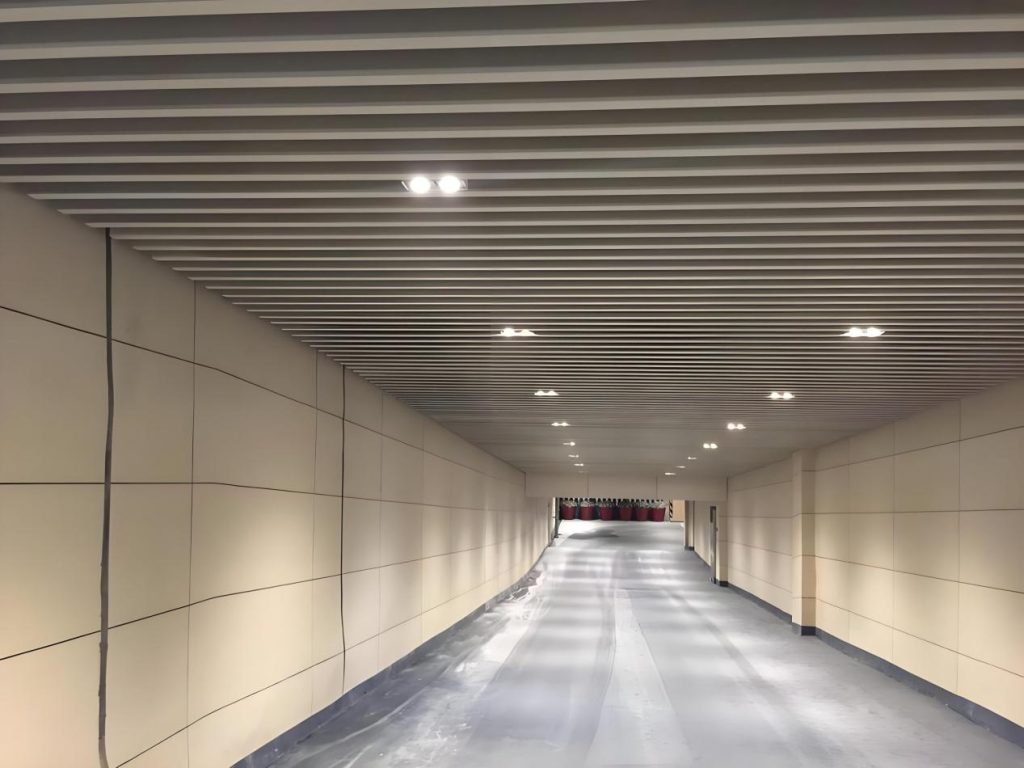
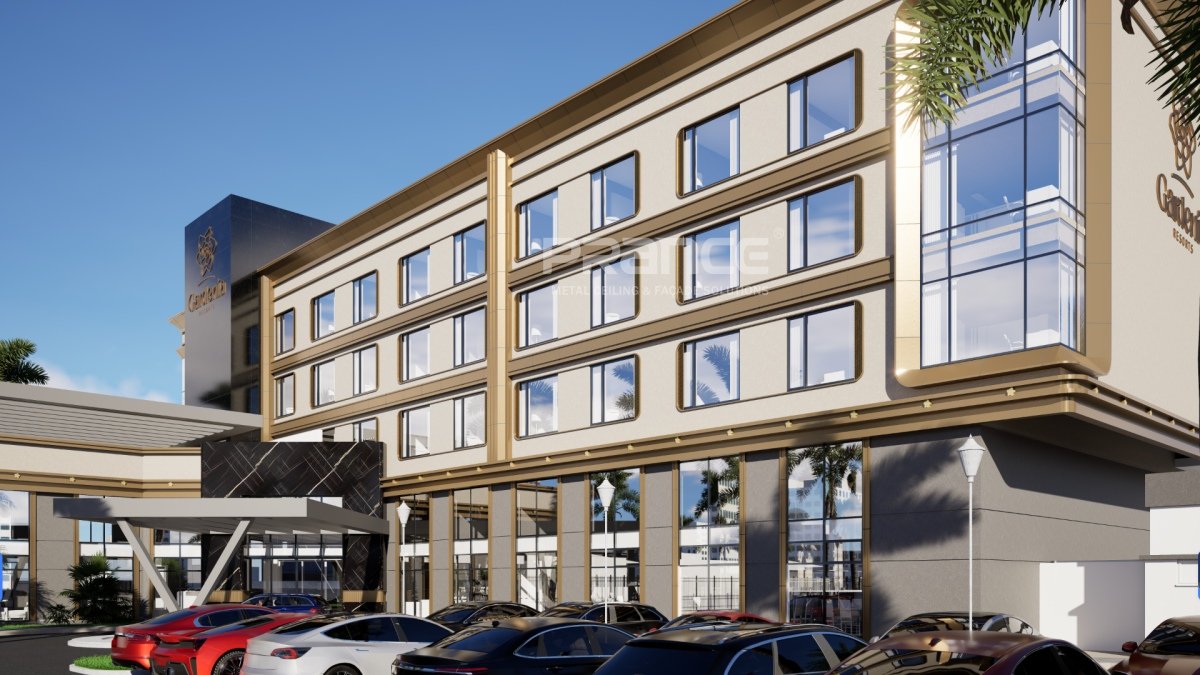
Aluminum ceiling design is often seen as more sustainable than many traditional materials due to its recyclability, durability, and potential for low-impact manufacturing. Aluminum can be recycled repeatedly without quality loss; specifying a high post-consumer recycled content dramatically reduces embodied energy compared with new mineral or polymer-based ceilings. The long service life of coated and anodized aluminum systems means fewer replacements are required, decreasing material consumption over a building¡¯s lifetime. Lightweight aluminum panels also reduce transportation fuel use and supporting structure demands, lowering embodied carbon associated with installation. Additionally, aluminum¡¯s reflectivity can improve daylighting and reduce artificial lighting needs, contributing to operational energy savings. From a maintenance perspective, long-lived finishes and easy cleaning reduce the frequency of refinishing or replacement that produces waste. Finally, many aluminum suppliers provide take-back or recycling programs that close the material loop. When assessed with lifecycle thinking, aluminum ceiling systems can deliver lower overall environmental impact versus short-lived or non-recyclable alternatives¡ªespecially when regional recycling infrastructure is available.