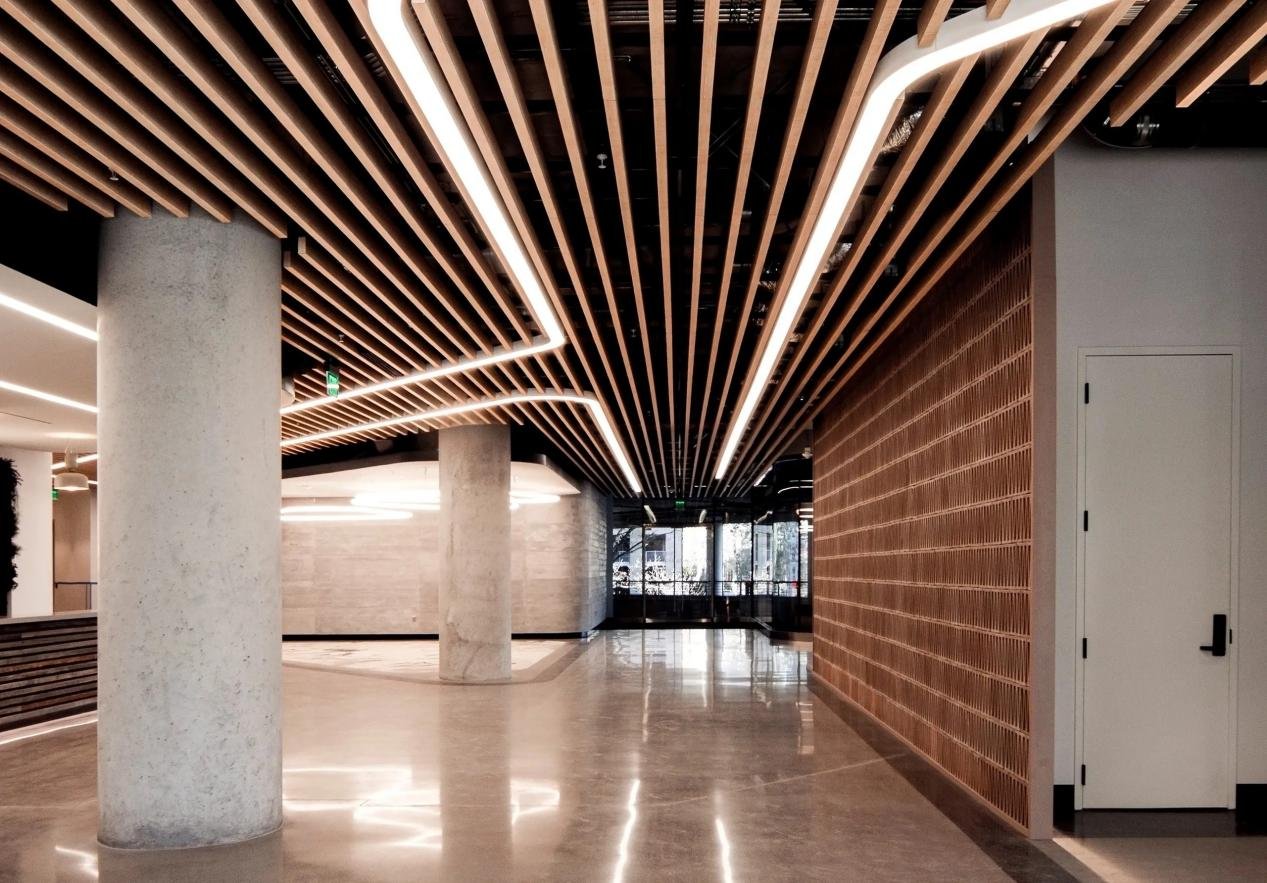
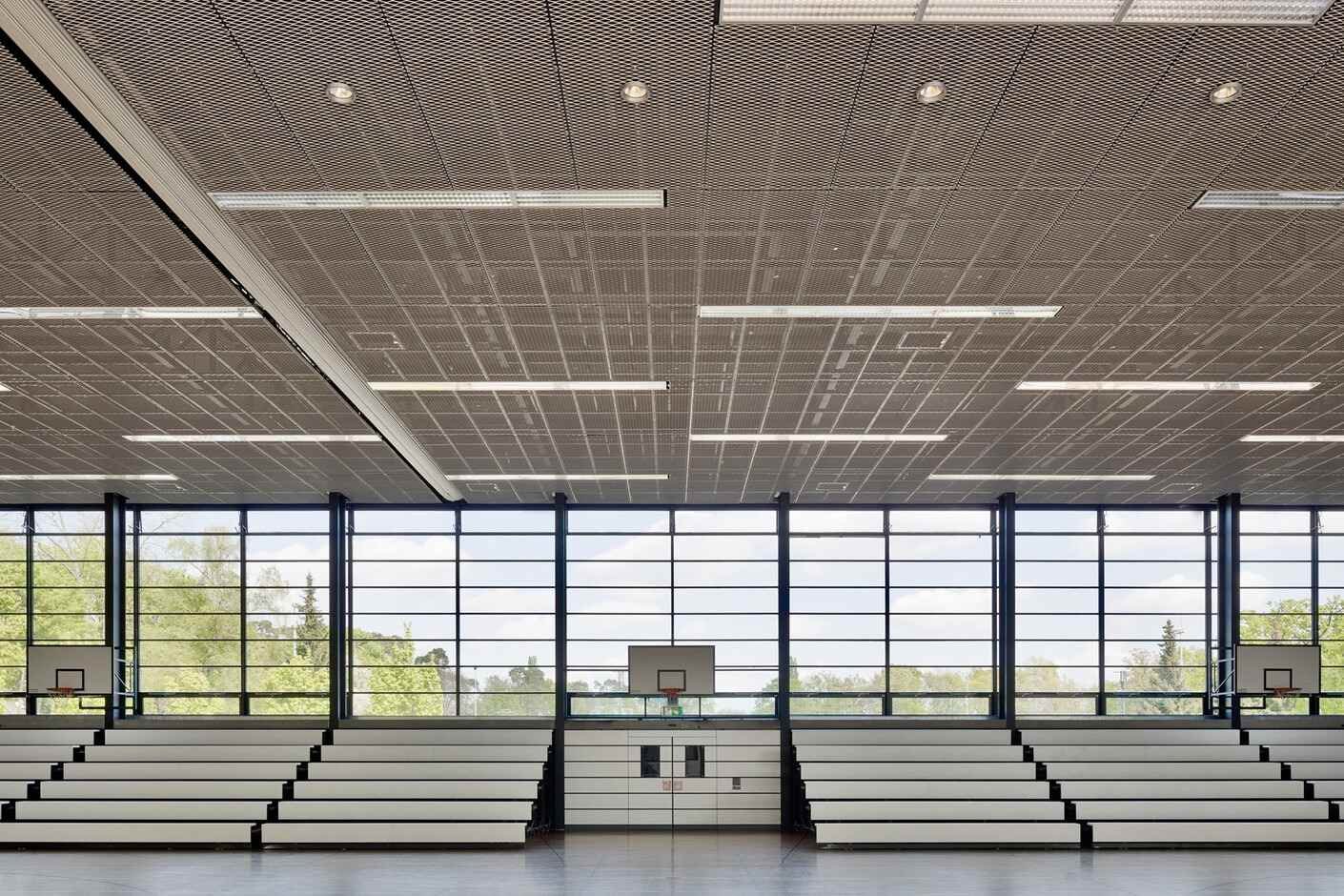
Many retail projects begin with a strong visual concept. Architects develop distinctive forms, designers define brand identity, and developers expect custom aluminum panels for retail facades to transform creative ideas into a recognizable commercial presence. Yet the original vision often changes during construction. Complex shapes become simplified. Material substitutions alter the intended appearance.
The problem is familiar. The challenge is translating design intent into a buildable facade system. This is where custom fabrication becomes critical. A well-engineered aluminum facade allows project teams to realize complex architectural concepts while maintaining control over fabrication, installation, and long-term performance. Instead of forcing architects to compromise, the right system helps preserve the visual character that made the design valuable in the first place.
Design Freedom with Custom Aluminum Panels for Retail Facades
Anodized and PVDF Finishes for Branded Storefront Cladding
Retail design depends on recognition. A brand may need calm metal tones, a warm reflective surface, or a sharper graphic expression. Aluminum panels support that range. Anodized finishes can read crisp and restrained. PVDF coatings can support consistent color across large areas. Textured or perforated surfaces can add depth when the brand needs a more tactile presence. The value is not only visual. The value is control. The designer can match the storefront cladding to the brand language instead of forcing the brand into a standard wall system.
Light changes the reading of a facade during the day. It also changes the reading after sunset. A brushed panel can feel quiet in shade and more active in direct sun. A decorative perforated metal facade can appear solid at noon and become luminous at night when backlit from behind. That shift gives a retail frontage two lives in one surface. It works as a mass during the day and as a signal after dark. For shopping streets and mall entries, that dual effect often matters as much as the logo itself.
Parametric Curves and 3D Forms
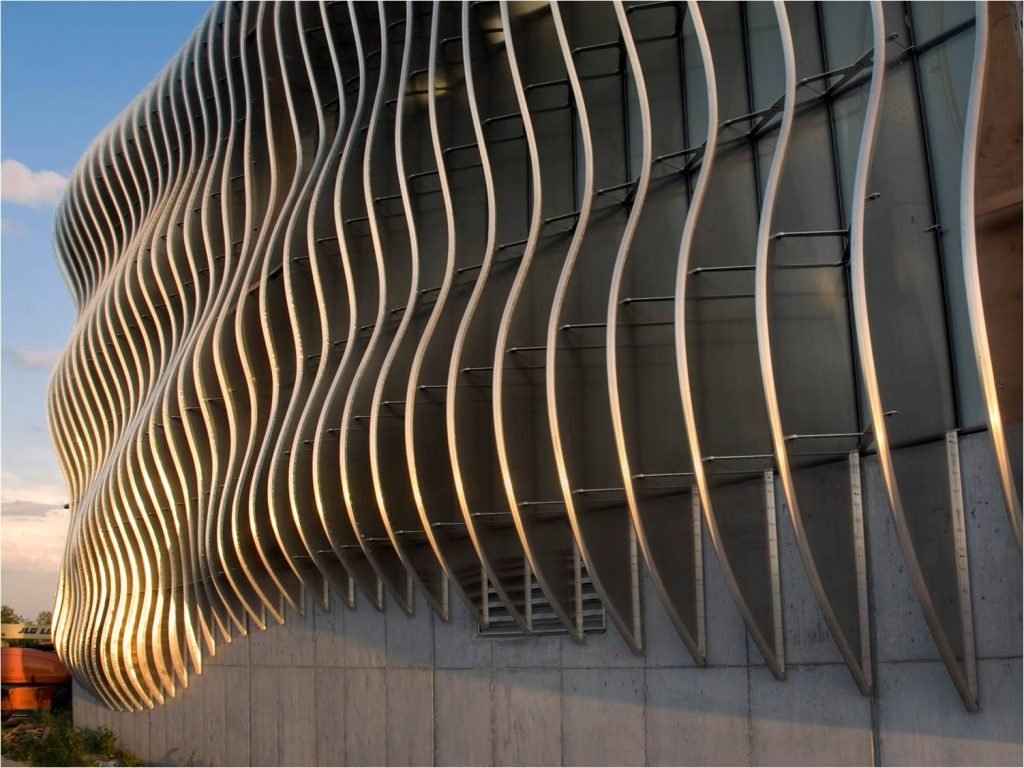
Flat cladding can carry a brand, but it often cannot create a landmark. Custom metal facade systems let designers push beyond the plane. Panels can bend, fold, recess, or project to create shadow lines and motion. A facade with controlled curvature can lead the eye toward the entrance. A faceted composition can break a long elevation into readable zones. A perforated field can soften scale and make a large commercial wall feel less heavy. The result is not decoration for its own sake. The result is a clearer architectural identity.
From Concept to Construction: Engineering Retail Facade Panels for Buildability

Design for Manufacture and Assembly of Large Aluminum Panels
The best retail facade panels begin before fabrication. They begin at the drawing table, where the design team and the manufacturer align geometry, support structure, and installation logic. Early coordination helps the team choose panel sizes that stay visually flat and structurally stable. It also reduces the chance of visible waviness, poor alignment, or awkward field cuts. This is where a manufacturer adds value beyond supply. It helps turn a visual idea into a repeatable assembly system.
BIM also matters. A custom facade should not live as a separate object from the secondary steel, the curtain wall, or the lighting plan. It should sit inside the same model. That approach lets the team test interfaces before fabrication starts. It catches clashes early. It also shows where panel joints, supports, and openings need adjustment. For a branded storefront cladding concept, that alignment protects both the visual rhythm and the construction schedule.
From Drawings to Production: A One-Stop Facade Development Process
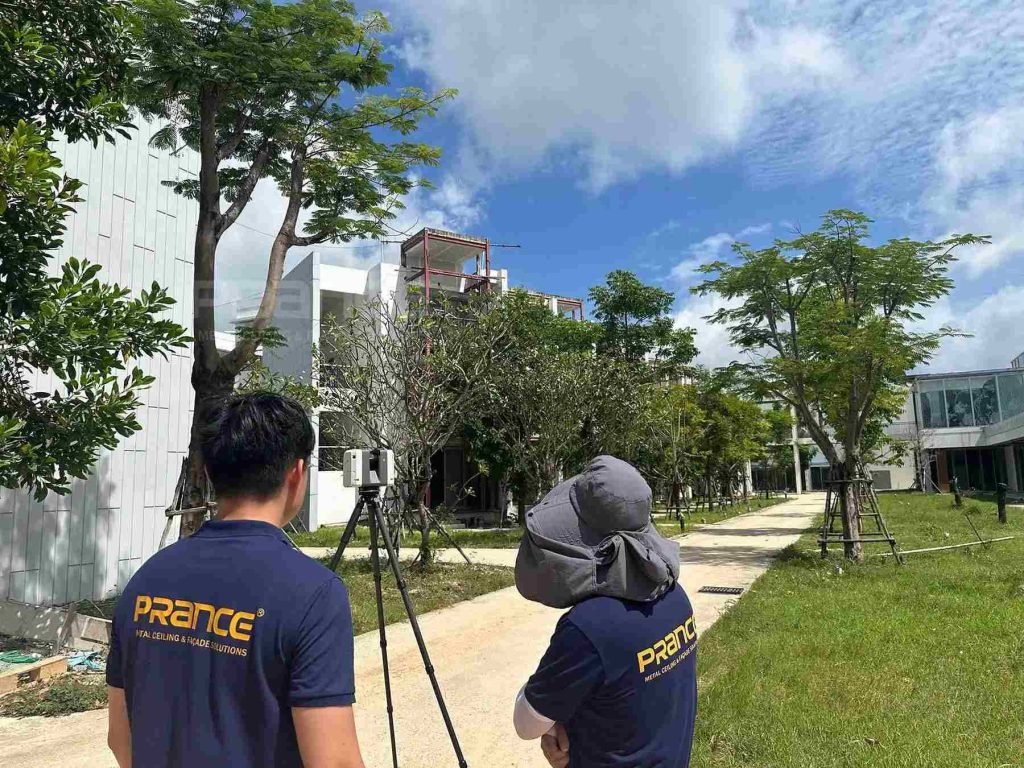
Complex commercial projects rarely fail because of one big mistake. They fail because of many small gaps between drawings, site conditions, and factory output. This is why a one-stop partner matters. PRANCE presents that model clearly through its integrated process. The workflow moves from site scanning or measurement to concept development or design deepening, then to factory production and final delivery. That structure reduces translation errors between the designer’s intent and the finished facade. It also makes the final result closer to the original render because one team owns the geometry, the detailing, and the production logic.
That benefit is practical. It reduces back-and-forth between separate vendors. It helps the project team respond to site changes quickly. It also prevents the common problem where a beautiful concept becomes a weak installation because no one controlled the full chain. For developers and architects, that control often protects both appearance and budget. For the site team, it also reduces rework during installation.
Maximizing ROI with Custom Aluminum Panels for Retail Facades

Faster Installation with Prefabricated Facade Systems
Retail schedules are unforgiving. A store opening has a date. A mall launch has a campaign. A tenant fit-out has a lease milestone. Prefabricated aluminum panel systems help the team work faster because the factory completes more of the work before the panel reaches site. That reduces dependence on wet trades, improves consistency, and shortens on-site assembly time. A building owner gains time-to-market. A designer gains better control over the final appearance.
Durability in Busy Commercial Environments
A retail facade works hard. It sees sun, rain, pollution, cleaning, and constant public contact. Aluminum performs well in that context because it resists corrosion and supports durable coating systems. That matters in cities and coastal regions where the building skin faces aggressive exposure. It also matters near ground level, where people touch surfaces, carts bump corners, and maintenance crews need practical access. A durable facade lowers long-term maintenance pressure and protects brand presentation over time.
Scalable Facade Solutions for Multi-Location Retail Brands
Retail chains need consistency. A brand cannot look different in every market unless that difference is intentional. Digitized fabrication helps the team repeat approved geometry, color, and perforation pattern across multiple locations. That repeatability supports rollout strategy. It also helps the company keep one visual identity while adapting dimensions to different site conditions. For developers managing portfolios, that consistency is a direct ROI issue, not only a design issue.
Case Study: Melawati Mall Decorative Perforated Metal Facade
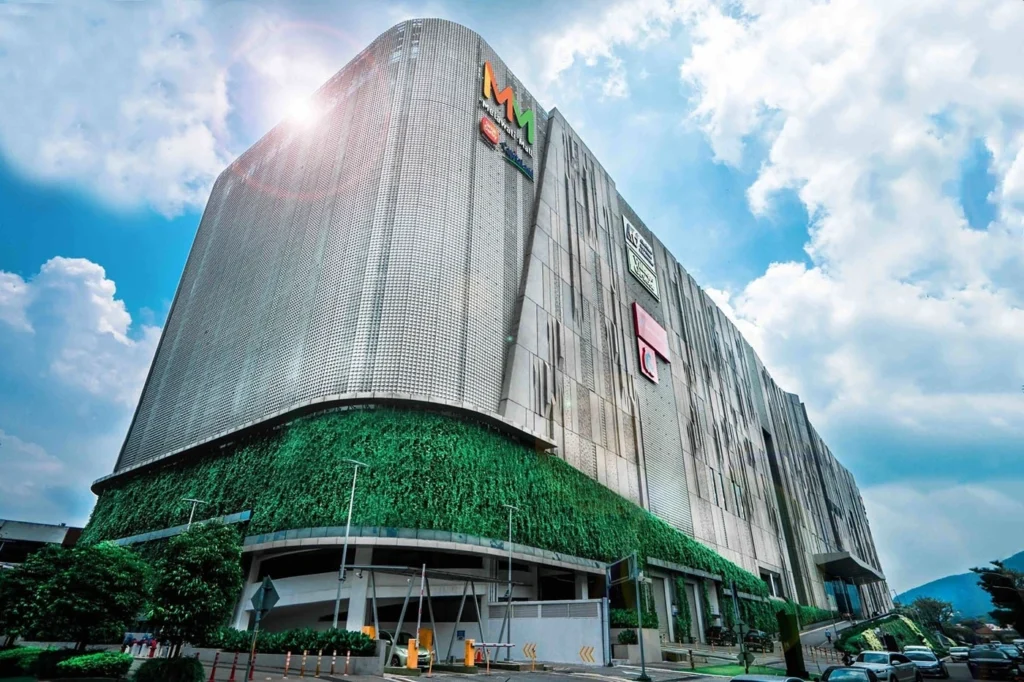
Melawati Mall Project in Kuala Lumpur demonstrates how custom aluminum panels for retail facades can strengthen both architectural identity and commercial appeal. The project utilized a large-scale decorative perforated metal facade to create a distinctive exterior that stands apart from conventional shopping center designs.
The perforated aluminum surface introduces depth, texture, and shadow, allowing the facade to maintain visual interest throughout the day. When combined with integrated lighting, the building gains a stronger presence during evening hours, helping the retail development remain recognizable within a competitive commercial environment.
Beyond aesthetics, the project highlights the practical advantages of aluminum facade systems. The lightweight yet durable panel construction supports long-term performance in demanding outdoor conditions while reducing maintenance requirements compared with many traditional exterior materials.
Most importantly, the facade demonstrates how architectural creativity can remain compatible with construction efficiency. The custom perforation pattern and panel system were engineered as a coordinated assembly, allowing the project to achieve a distinctive visual identity without compromising installation practicality or long-term reliability. For architects and developers, Melawati Mall provides a clear example of how a custom metal facade can balance design expression, durability, and buildability within a large-scale retail project.
Choosing the Right Retail Facade Panels: Scenario Guide
Project Scenario |
Better Choice |
Why It Fits |
A flagship entrance needs a strong brand image and nighttime glow |
Retail facade panels with perforation and backlighting |
The surface can carry graphics by day and light by night. |
A mall tenant zone needs fast installation with consistent detailing |
Modular custom aluminum panels for retail facades |
Factory preparation supports speed and repeatability. |
A corner store needs a simple, clean, high-control skin |
Branded storefront cladding with flat metal panels |
The system keeps the look disciplined and easy to read. |
A large mall elevation needs depth and identity |
Custom metal facade with folds, curves, or patterning |
The facade adds scale, shadow, and visual movement. |
A brand wants sign integration inside the architecture |
Exterior aluminum signage panels with concealed wiring |
The signage reads as part of the building, not an afterthought. |
FAQ
Can custom aluminum panels work on humid or coastal exteriors?
Yes. Aluminum suits humid and coastal conditions when the project team selects the right coating system, details drainage correctly, and protects edges and joints during fabrication. The key is not the metal alone. The key is the full assembly. A well-detailed facade can keep its appearance and reduce corrosion-related maintenance pressure in difficult climates. That is one reason aluminum remains practical for outdoor retail frontage, especially where image and durability must work together.
How do I keep access open for maintenance behind the facade?
The project team should plan access from the start. A good facade system uses panels, brackets, or removable sections that allow maintenance without damaging the finish or disrupting nearby signage and lighting. This is especially important when the facade includes integrated LED paths or concealed services. When the access strategy sits inside the design model early, the final assembly looks cleaner and the maintenance team works faster.
Is a decorative perforated metal facade suitable for a retrofit?
Yes, and it often works very well. Retrofit projects benefit from a light visual envelope that can refresh an old frontage without rebuilding the entire structure. The panel system can cover uneven surfaces, create a new brand identity, and hide technical clutter behind a controlled skin. The key is accurate site measurement and careful design deepening so the new facade fits the old building instead of fighting it.
How can a facade make a retail store look more expensive without using heavy materials?
A facade can create that effect through proportion, surface control, and lighting. Metal panels can create crisp edges, deep shadow lines, and clean reflections that make a storefront feel deliberate and composed. Perforation, curvature, and texture can add depth without adding visual clutter. The result is often stronger than adding more material. The building looks more resolved because every surface has a role.
What should a designer ask before approving the panel geometry?
The designer should ask whether the geometry can be fabricated repeatably, shipped safely, and installed without visible distortion. That question matters more than the drawing alone. A good manufacturer should confirm the support logic, joint rhythm, opening locations, and service routes before production starts. When those items align, the facade keeps its form from model to mock-up to site.
Conclusion: Partnering with a Design-Driven Manufacturer
A successful retail facade does more than cover a building. It translates brand identity into a surface that people can see, remember, and trust. That translation only works when design ambition and fabrication discipline move together. Custom aluminum panels for retail facades give architects the freedom to shape that identity through finish, form, and pattern. They also give owners a practical path to speed, durability, and repeatability.
For teams developing a branded storefront cladding concept, the smartest next step is to bring the sketch forward early. A buildability assessment can reveal where value engineering protects the design and where production logic can make the idea stronger, not weaker.