
Introduction: The Unsung Hero of Architectural Design

In the grand narrative of modern architecture, walls, floors, and facades often take center stage. Yet, the ceiling, frequently referred to as the “fifth wall,” plays a pivotal role in shaping a space’s character, functionality, and overall human experience. A well-executed ceiling design is not merely a cover for structural elements; it is an integral component that influences acoustics, lighting, and aesthetic appeal. In contemporary commercial and public spaces, from bustling corporate offices in Singapore to serene art galleries in London, the demand for ceilings that are both beautiful and high-performing has never been greater.
Amidst this evolution, the baffle ceiling has emerged as a prominent and rapidly growing trend. Characterized by its series of vertically suspended linear panels, this system offers a unique combination of acoustic control, design versatility, and practical accessibility that traditional flat ceilings cannot match. This article serves as an in-depth exploration of the future of ceiling design, explaining the fundamental advantages of baffle ceilings and forecasting the trends that solidify their position as an increasingly popular choice for architects, designers, and builders worldwide. We will delve into why this dynamic ceiling solution is not just a passing fashion but a forward-thinking answer to the complex demands of modern buildings.
What Is a Baffle Ceiling? A Deeper Look

At its core, a baffle ceiling is an open ceiling system composed of a series of linear baffles, which are vertical panels suspended from an overhead structure. These baffles are arranged in parallel or grid-like patterns, creating a visually striking and rhythmically ordered ceiling plane while leaving the plenum (the space between the structural ceiling and the suspended ceiling) partially visible.
How a Baffle Ceiling Differs from Other Systems
The primary distinction of a baffle ceiling lies in its vertical orientation and open construction. This sets it apart from other common ceiling design systems:
Gypsum/Drywall Ceilings: These are monolithic, seamless surfaces that completely conceal the plenum. While offering a clean, traditional look, they provide limited acoustic absorption without additional treatment and make accessing services like HVAC, wiring, and plumbing difficult and costly.
Acoustic Ceiling Tiles (ACT) or Lay-in Panels: These consist of a visible grid of metal channels into which lightweight panels are dropped. While they offer good acoustic properties and service access, the grid can look dated and visually cluttered, and the design possibilities are often limited to a two-dimensional pattern.
Exposed Ceilings: Leaving the structural deck and services exposed creates an industrial aesthetic. However, this approach offers virtually no acoustic control, leading to significant noise reverberation and echo, and can look unfinished or chaotic if not meticulously planned.
A baffle ceiling strikes a unique balance. It masks the plenum more effectively than a fully exposed ceiling while maintaining easy access to services. Its vertical surfaces are uniquely positioned to trap and absorb sound waves, and its linear nature provides a powerful tool for visual storytelling and spatial definition.
Typical Materials and Configurations

Baffle ceilings are celebrated for their material diversity and design flexibility. The most common materials include:
Aluminum: Lightweight, durable, moisture-resistant, and available in a vast array of colors and finishes, including realistic woodgrain effects. Aluminum is also highly recyclable, making it a sustainable choice. Its stability makes it ideal for the humid climates found in regions like Southeast Asia.
Wood: Offering natural warmth and biophilic appeal, solid wood or wood veneer baffles can create a rich, high-end aesthetic. They often require specific treatments for fire resistance and humidity control.
Acoustic Felt (PET): Made from recycled plastic bottles, PET felt baffles provide excellent sound absorption and are available in a wide range of colors. They are lightweight, tackable, and contribute to a building’s sustainability credentials.
Fiberglass: Often wrapped in acoustically transparent fabric, fiberglass baffles are engineered for maximum noise reduction, making them ideal for auditoriums and theaters.
Configurations are limitless, allowing designers to play with baffle depth, height, spacing, color, and even shape to create unique visual rhythms, guide occupants through a space, or define specific zones within an open-plan environment.
Why Ceiling Design Matters for Modern Buildings

The ceiling is a fundamental architectural element that profoundly impacts a building’s performance and the well-being of its occupants. In modern design philosophy, which prioritizes user experience and holistic environments, an intelligent ceiling design is non-negotiable.
The Triple Crown of Functionality: Acoustics, Aesthetics, and Efficiency
A ceiling’s influence extends across three critical domains:
Acoustics: In today’s open-plan offices, expansive lobbies, and bustling transportation hubs, controlling noise is essential for comfort, productivity, and clarity of communication. Ceilings represent the largest, most unobstructed surface area for acoustic treatment. A high-performance acoustic ceiling design, like a baffle ceiling, can absorb sound, reduce reverberation time, and prevent noise from traveling across large spaces, creating a more pleasant and functional environment.
Aesthetics: The ceiling sets the visual tone of a room. It can make a space feel vast and open or intimate and cozy. A dynamic ceiling design can serve as a focal point, introduce texture and color, and create a sense of directionality. The choice of ceiling reflects the building’s identity—be it the sleek, modern lines of a tech headquarters or the warm, natural feel of a wellness center.
Energy Efficiency and Lighting: The ceiling plane is critical for lighting design and energy consumption. Its color and reflectivity affect how light is distributed, potentially reducing the need for artificial lighting and lowering energy costs. The design must also seamlessly integrate with lighting fixtures, sensors, and HVAC systems to ensure optimal performance and comfort.
Shaping the User Experience and Reflecting Architectural Trends
The choice of ceiling directly influences how people feel and interact within a space. A noisy, poorly lit environment can cause stress and fatigue, while a well-designed space with good acoustics and lighting can enhance focus, improve mood, and promote well-being. This focus on human-centric design is a cornerstone of modern architecture.
Furthermore, ceiling choices are a mirror of broader architectural trends. The shift towards open, collaborative workspaces has necessitated more sophisticated acoustic solutions. The trend of biophilic design calls for natural materials and patterns that mimic nature. The industrial aesthetic favors systems that honestly express a building’s structure and services. The baffle ceiling, with its inherent flexibility, is uniquely capable of responding to all these trends, making it a quintessential element of contemporary architectural language.
Key Advantages of Baffle Ceiling in Ceiling Design

The rising popularity of the baffle ceiling is rooted in a clear set of advantages that directly address the primary challenges of modern interior architecture. It offers a sophisticated solution that marries form and function without compromise.
Unmatched Acoustic Performance
The primary driver for specifying a baffle ceiling is often its exceptional acoustic control. In large, open spaces with hard surfaces, sound waves bounce freely, creating echoes and raising ambient noise levels. The vertical structure of baffles is uniquely effective at mitigating this issue. By interrupting the path of sound waves and exposing a large surface area for absorption, baffles significantly reduce reverberation time (the time it takes for sound to fade away). This is especially critical in:
Open-plan offices: To reduce conversational distraction and improve concentration.
Airports and train stations: To ensure public announcements are clear and intelligible.
Restaurants and atriums: To create a comfortable and pleasant social atmosphere.
The acoustic performance can be precisely tuned by adjusting the baffles’ height, spacing, and material, allowing designers to meet the specific Noise Reduction Coefficient (NRC) requirements for any given space.
Supreme Design Flexibility and Aesthetic Impact
A baffle ceiling provides a canvas for immense creative expression. Designers are not limited to a flat, monolithic plane. Instead, they can create a sense of depth, rhythm, and directionality. This flexibility allows for:
Linear and Geometric Effects: Baffles naturally create strong linear visuals that can be used to elongate a corridor, guide visitors, or delineate different functional zones within a single large room.
Open-Ceiling Feel: By allowing views into the plenum, baffles create an impression of height and volume while still providing a finished, intentional look. This “structured transparency” is a hallmark of modern design.
Customization: The ability to vary baffle dimensions, colors, and finishes—from vibrant powder coats to elegant wood veneers—enables a truly bespoke ceiling design that can be tailored to any brand identity or design concept. They can even be installed on a curve, following the flow of the architecture.
Seamless Lighting and Systems Integration

Modern buildings are complex ecosystems of technology and services. A key advantage of the baffle ceiling is its innate compatibility with these systems.
Lighting: Linear lighting fixtures can be integrated seamlessly between the baffles, becoming part of the overall design rhythm. Pendant lights and spotlights can also be easily suspended through the gaps, allowing for targeted and layered lighting schemes.
HVAC and Sprinklers: Air diffusers, sprinkler heads, and other mechanical elements can be located in the plenum and function effectively through the open spaces between baffles, maintaining a clean and uncluttered ceiling plane.
Enhanced Maintenance and Accessibility
In the long-term management of a building, ease of access to the plenum is crucial for maintenance, repairs, and technology upgrades. With traditional gypsum ceilings, this is a destructive, messy, and costly process. A baffle ceiling design, by contrast, provides straightforward access. Individual baffles or sections can often be removed and reinstalled with minimal effort, saving time and money over the building’s lifecycle.
Future Trends in Ceiling Design That Favor Baffle Ceilings

As architecture continues to evolve, several key trends are converging to make the baffle ceiling an even more relevant and sought-after solution. It is not just a product for today but a platform for the future of interior environments.
Sustainability and Biophilic Design
The construction industry is under increasing pressure to adopt sustainable practices. Baffle ceilings are well-aligned with this movement.
Recyclable Materials: Aluminum baffles, one of the most popular choices, often contain high percentages of recycled content and are 100% recyclable at the end of their life. PET felt baffles are a prime example of upcycling, turning waste into a high-performance acoustic product.
Eco-Friendly Finishes: Manufacturers are increasingly offering low-VOC (Volatile Organic Compound) paints and finishes, improving indoor air quality.
Biophilia: Wood baffles or realistic wood-look aluminum baffles cater to the biophilic design trend, which seeks to connect building occupants with nature. This connection has been shown to reduce stress and improve well-being.
The Dominance of Open and Spacious Architecture
The paradigm of the enclosed, cellular office is fading. Modern commercial and institutional buildings emphasize open, flowing, and collaborative spaces. This architectural shift presents a significant acoustic challenge, which the baffle ceiling is perfectly designed to solve. It provides the necessary acoustic absorption to make these open environments comfortable and functional, all while enhancing the desired sense of height and volume.
Hyper-Customizability and Brand Identity
In a competitive commercial landscape, physical space is a critical component of brand expression. Clients are no longer satisfied with generic, off-the-shelf solutions. They demand unique environments that reflect their corporate culture and identity. The baffle ceiling is a designer’s ally in this pursuit. The near-limitless options for color (matching any RAL color), shape (custom curves and profiles), and configuration allow the ceiling to become a signature feature of an interior, reinforcing brand identity in a powerful, visual way.
Integration with Smart Building Technologies (Hybrid Systems)
The future of buildings is smart. This means the integration of sensors, automated systems, and responsive technologies. The ceiling design of the future will be a platform for this technology. The open structure of a baffle ceiling makes it an ideal framework for creating hybrid systems. We are already seeing the integration of:
Smart Lighting: LED systems with sensors that adjust based on daylight and occupancy can be seamlessly embedded within a baffle system.
Acoustic Panels: Baffles can be combined with other acoustic elements, like horizontal panels or clouds, to create a highly tuned acoustic environment.
Sensors: Occupancy sensors, air quality monitors, and other IoT devices can be discreetly housed within or between baffles.
This makes the baffle ceiling not just a passive architectural element, but an active component of a high-performance, intelligent building system.
Common Questions About Baffle Ceilings

As with any innovative building system, designers and clients often have questions. Here are answers to some of the most common queries about implementing a baffle ceiling design.
While often showcased in large, voluminous areas, baffle ceilings can be highly effective in smaller spaces too. In a room with a low ceiling height, using slim, widely spaced baffles can create an illusion of height and openness. A linear arrangement can also make a narrow room feel longer. The key is scale; the size and spacing of the baffles should be proportional to the room's dimensions.
Indirectly, yes. The open nature of a baffle ceiling can improve air circulation from HVAC systems, potentially leading to more efficient heating and cooling. More significantly, by allowing the thermal mass of the concrete slab above to be exposed to the room, it can help regulate indoor temperatures, a concept known as "night-time purging." Furthermore, using light-colored, highly reflective baffles can improve daylight distribution, reducing reliance on artificial lighting and saving energy.
Aluminum is an incredibly durable material. When properly manufactured and finished with a high-quality powder coat or paint, an aluminum baffle ceiling is resistant to rust, corrosion, and fading. It is not uncommon for these systems to last for 30-50 years or even longer with minimal maintenance, making them a very cost-effective solution over the long term.
The initial material and installation cost of a baffle ceiling is typically higher than that of a standard ACT grid ceiling or a simple gypsum board ceiling. However, a true cost comparison must consider the entire lifecycle of the product. When you factor in the superior acoustic performance (which might negate the need for other sound-absorbing treatments), longevity, durability, and the significant savings in maintenance and access costs over decades, the total cost of ownership for a baffle system is often very competitive, and in many cases, more favorable.
Expert Recommendations for Choosing a Ceiling Design

Selecting the right ceiling design is a critical decision that impacts budget, aesthetics, and long-term performance. Here are some expert recommendations to guide the process.
Key Factors to Consider
Before settling on a ceiling type, a thorough analysis of the project’s needs is essential. Consider:
Building Type and Function: The acoustic and aesthetic requirements for a corporate headquarters are vastly different from those of a hospital or a school. Define the primary function of the space.
Acoustic Needs: Is the space intended for quiet concentration, clear communication, or lively collaboration? Quantify the acoustic goals (e.g., target reverberation time).
Integration with Services: Map out all lighting, HVAC, fire safety, and technology requirements. The ceiling design must accommodate these services seamlessly.
Maintenance and Accessibility: How often will maintenance crews need to access the plenum? Is there complex equipment above the ceiling that requires frequent attention?
Budget: Consider both the initial upfront cost and the long-term lifecycle cost, including maintenance and potential replacement.
Sustainability Goals: Does the project have specific green building certifications to meet, such as LEED or Singapore’s Green Mark? Material choice is critical here.
When Are Baffle Ceilings Most Effective?
A baffle ceiling is an ideal solution in a variety of scenarios, particularly in:
Large, open-plan environments: Airports, convention centers, shopping malls, and modern offices where noise control and a sense of volume are paramount.
Spaces requiring strong visual identity: Lobbies, reception areas, and retail spaces where the ceiling can be used as a major design feature.
Buildings with high plenums: Where a traditional tile ceiling would feel too low and an exposed ceiling would look unfinished and sound cavernous.
Projects with complex service integration: Where frequent and easy access to the plenum is a long-term operational necessity.
When to Consult a Ceiling Design Specialist
To maximize the benefits of any advanced ceiling design, especially a baffle ceiling, it is highly recommended to consult with a specialist. Acoustical engineers can model the performance of the space and recommend the optimal baffle height, spacing, and material to meet specific acoustic targets. Similarly, experienced architects and interior designers who specialize in ceiling systems can help navigate the vast array of aesthetic options to create a solution that is both beautiful and perfectly suited to the building’s function.
Conclusion: The Ascendancy of the Baffle Ceiling
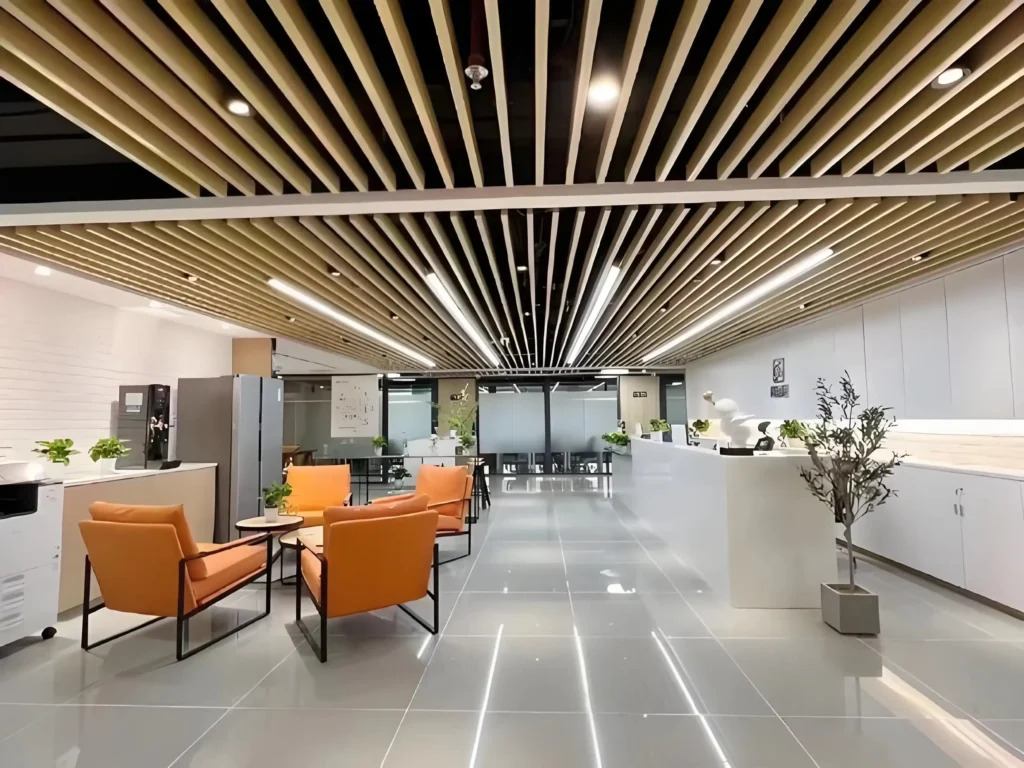
The future of ceiling design is a dynamic interplay of performance, aesthetics, and sustainability. The era of the ceiling as a passive, forgotten surface is over. In its place is the concept of the ceiling as an active, integrated system that contributes directly to the success of a building and the well-being of its occupants.
The baffle ceiling stands at the forefront of this evolution. Its inherent ability to deliver superior acoustic control, unparalleled design freedom, and intelligent integration with building services makes it a powerful tool for architects and designers. As architectural trends continue to favor open, flexible, and human-centric spaces, the advantages of baffle systems will only become more pronounced. By masterfully balancing function, form, and future-forward thinking, the baffle ceiling is not just a trend; it is becoming a central and enduring element in the lexicon of modern architectural design.


