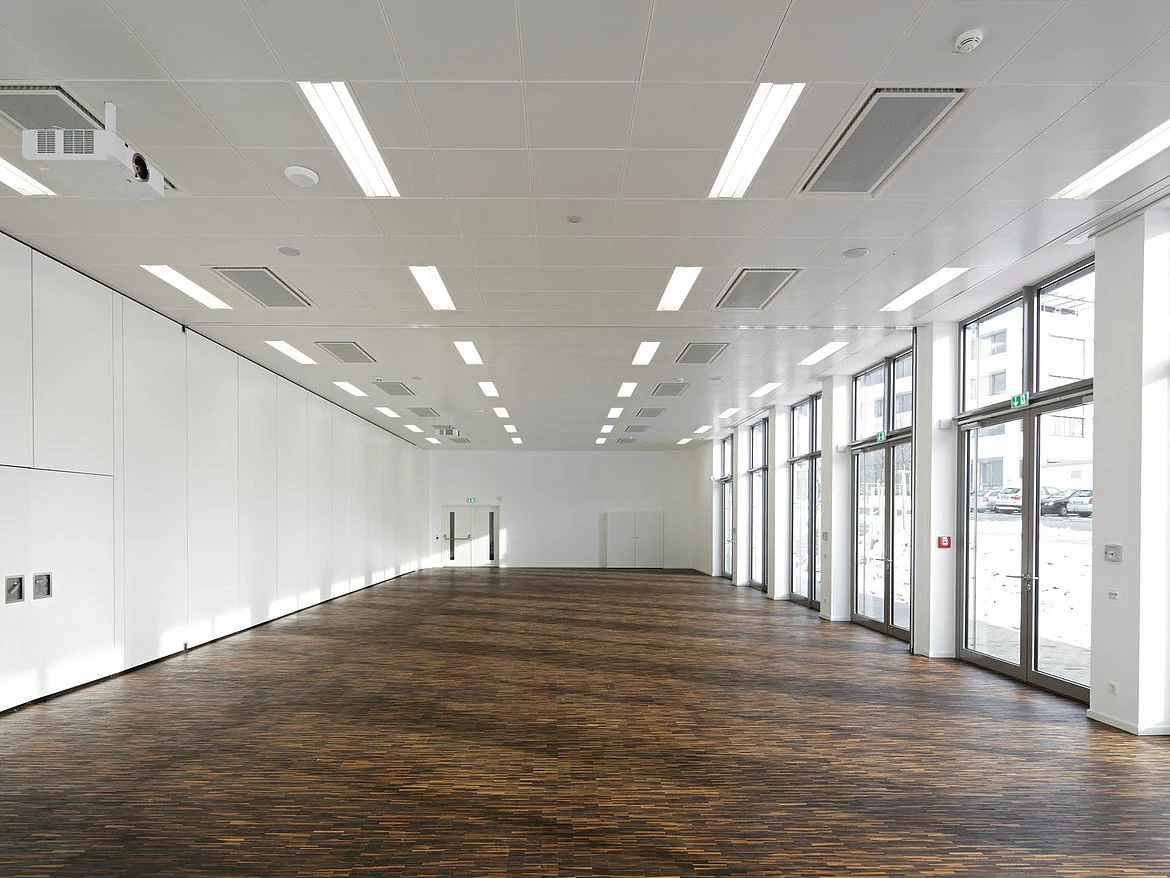
Why Architects Are Replacing Gypsum Ceilings with Aluminum Systems
Introduction
The debate of aluminum ceiling vs gypsum is no longer academic for many architectural firms and building owners. Within the first 100 words, it’s clear why specifiers are reconsidering traditional gypsum plasterboard ceilings: modern projects demand lighter weight, longer lifespan, better moisture resistance, and refined integration with building services. This article explains why architects increasingly specify aluminum ceiling systems over gypsum, comparing performance metrics, design flexibility, installation realities, and long-term maintenance obligations. It gives decision-makers practical steps and testing references to evaluate systems for commercial, hospitality, healthcare, and public-sector projects.
aluminum ceiling vs gypsum: Technical performance and material properties
aluminum ceiling vs gypsum — acoustic & fire performance
Acoustic performance is a common spec driver. Aluminum systems achieve comparable reverberation control with engineered perforations and absorptive cavity infills. When tested using ASTM E90 and ISO 140 series methods, aluminum panel systems with proper backing can meet or exceed sound transmission requirements of many commercial spaces. Fire performance varies by assembly: gypsum board offers inherent fire resistance due to its hydrated core, while aluminum panels are non-combustible but require tested assemblies with insulation and cavity barriers to achieve similar hourly ratings under ASTM E119 or EN 13501 protocols.
aluminum ceiling vs gypsum — durability & moisture resistance
Gypsum is vulnerable to prolonged moisture exposure and can sag, delaminate, or promote mold when wet. Aluminum is inherently moisture-resistant and will not rot, swell, or support microbial growth. In high-humidity or cyclic-moisture environments, aluminum ceiling vs gypsum comparisons clearly favor aluminum for longevity and appearance retention. Typical accelerated aging and salt-spray tests demonstrate that factory-applied PVDF or polyester coatings on aluminum resist chalking and corrosion, maintaining color and gloss.
manufacturability and quality control
Manufacturing consistency matters. Aluminum panels are produced under tightly controlled extrusion or press-line processes; coating systems undergo pre-treatment, primer, and PVDF topcoat applications with ASTM D3359 adhesion and ISO 2409 cross-cut tests used in QC. For specifiers, a sentence to include in QA schedules: “Supplier certifies batch testing per ASTM/ISO coating and substrate standards, with traceable mill certificates and finish performance reports.”
Design considerations: aluminum ceiling vs gypsum for aesthetics and integration
form, finish, and lighting integration
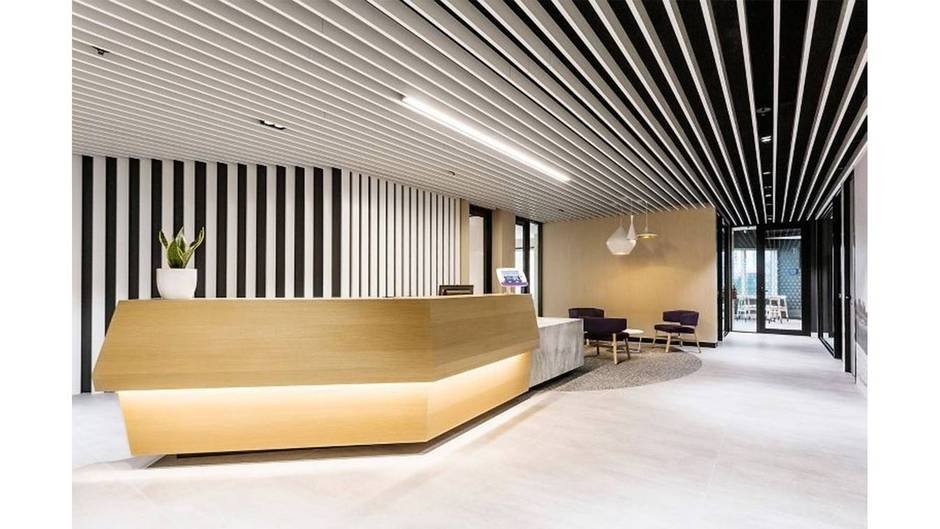
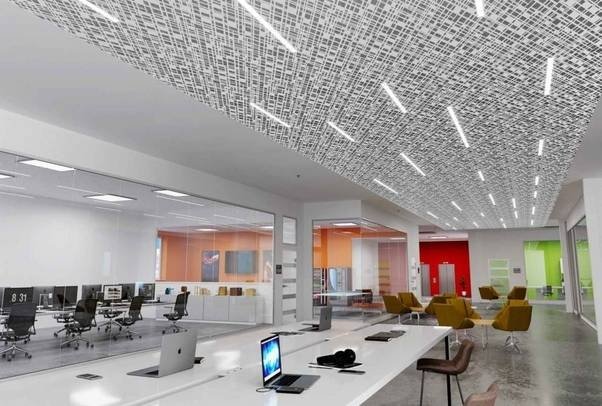
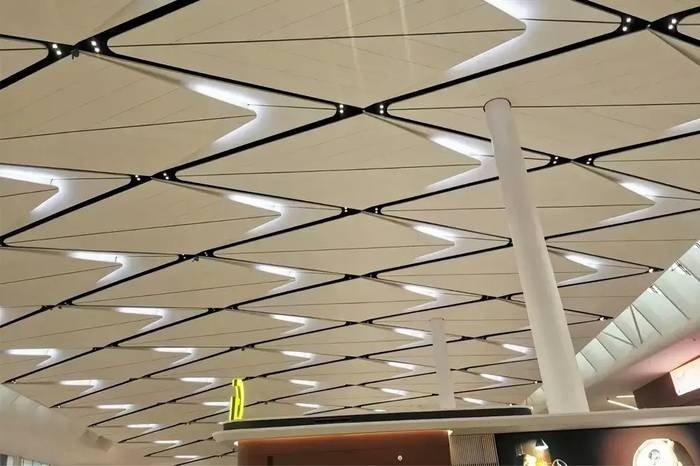
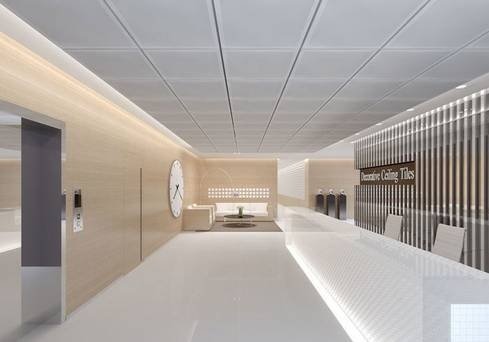
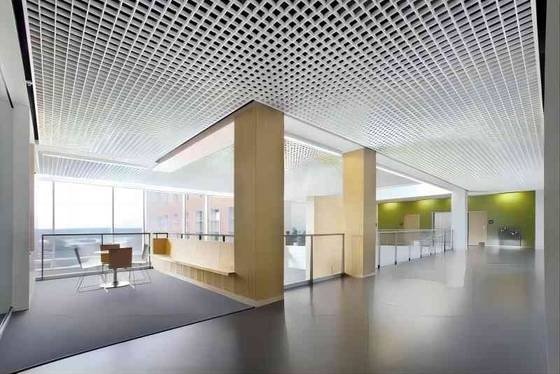
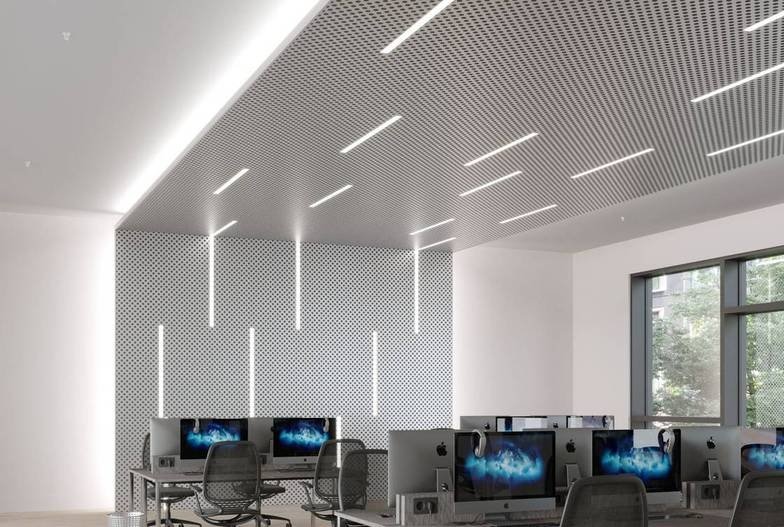
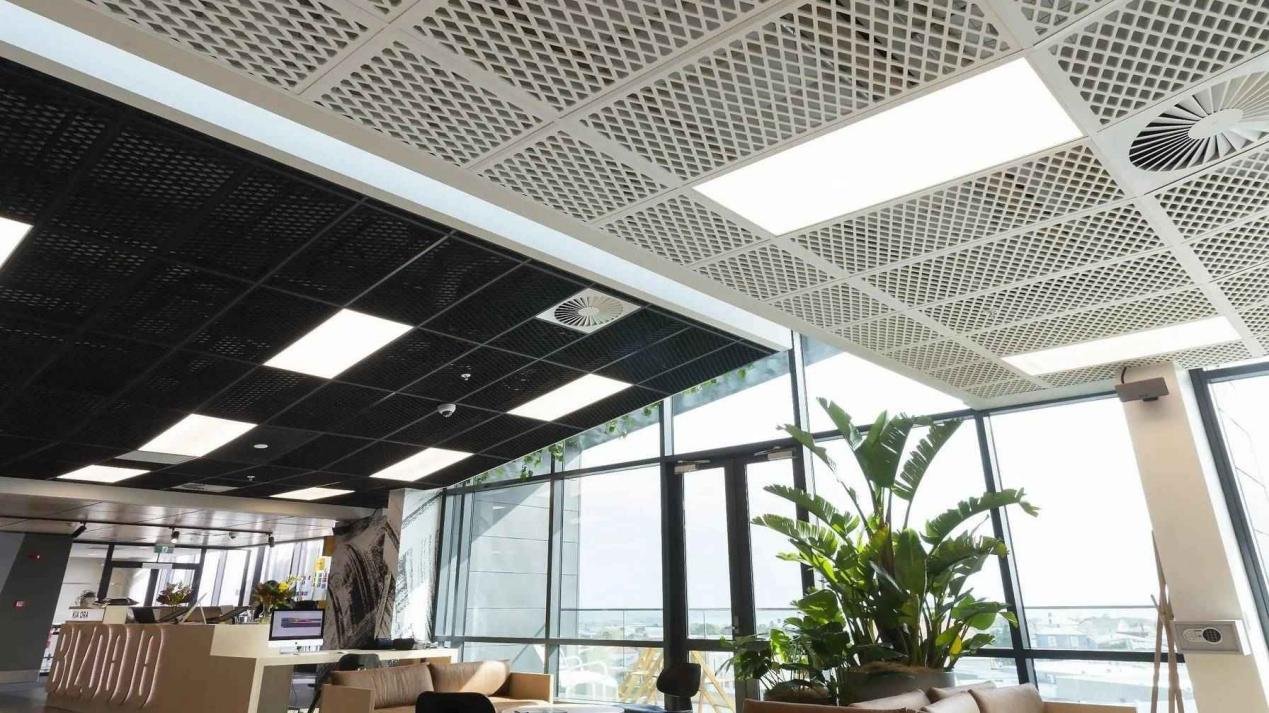
Aluminum enables linear planks, open baffles, concealed suspension systems, and seamless tray ceilings while preserving tight tolerances (±0.5 mm common on pressed systems). Gypsum offers continuous planar finishes ideal for monolithic looks and complex curves when wet-formed, but lacks the precision modularity of metal systems that facilitate integrated linear LED channels, recessed diffusers, and service access.
sustainability and lifecycle impacts
From a whole-life perspective, recycled content and recyclability give aluminum a favorable profile. Aluminum recycled content commonly ranges 30–60% or more in architectural products; end-of-life recyclability is near 100% without quality loss. Gypsum recycling exists but is more constrained by contamination and collection logistics. Life-cycle assessments (LCA) should consider embodied energy, maintenance cycles, replacement intervals, and end-of-life recovery to compare aluminum ceiling vs gypsum fairly.
aluminum ceiling vs gypsum: Installation and practical guidance for contractors
aluminum ceiling vs gypsum — site logistics and speed of installation
Modular aluminum systems are delivered in ready-to-install modules, often reducing on-site wet trades and drying times. Pre-fabrication and clip-in systems accelerate schedules and reduce coordination conflicts with MEP. Gypsum requires skilled taping, taping compounds, and drying times for joints and finishes, which can extend schedule floats and require secondary touch-up.
tolerances, access, and coordination with MEP
Aluminum systems typically offer reversible access panels or clip-out modules allowing MEP servicing without patching. Gypsum access panels are available but often compromise continuity and require repair work after access. For projects where frequent ceiling access is anticipated—data centers, retail, laboratories—the aluminum ceiling vs gypsum trade-off favors metal systems for faster, cleaner access.
Performance, maintenance, and long-term cost: aluminum ceiling vs gypsum
maintenance, cleaning, and lifecycle costs
Aluminum ceilings typically require simple maintenance: periodic dusting, light washing with neutral detergents, and occasional re-coating in extreme environments. Gypsum ceilings may require repainting, patch repairs for dings and water damage, and mold remediation in severe cases. Over a 20-year horizon, total cost of ownership often favors aluminum in humid, high-traffic, or high-abuse environments.
thermal and environmental performance
Aluminum conducts heat more readily than gypsum, which can affect thermal bridging in some ceiling-cavity conditions. However, aluminum ceilings are often installed with thermal breaks and acoustic/thermal insulative backers that mitigate conductive effects. Specifiers should review U-values and cavity assemblies to ensure project thermal targets are met.
Case example: Specifying aluminum ceiling vs gypsum for a mid-size hotel (hypothetical)
project brief and performance targets
A 200-room coastal hotel aims for a 30-year service life, high acoustic privacy, rapid refurbishment cycles, and low operational maintenance. The client requires durable public-area ceilings in lobbies, corridors, and conference rooms.
specification decision and outcomes
In a coastal humidity environment, the design team selected an anodized and PVDF-coated aluminum linear plank ceiling with perforated acoustic inlays for public areas and solid aluminum tray ceilings in back-of-house spaces. Installation proceeded with 30% faster on-site hours compared to gypsum ceilings (based on contractor time studies), and lifecycle analyses projected 18–25% lower maintenance and refurbishment cost over 25 years. Geo-optimized note: For coastal projects, choose corrosion-class finishes and supplier certifications relevant to local salt-laden atmospheres.
Comparison table: aluminum ceiling vs gypsum (trade-offs at a glance)
Attribute
Aluminum Ceiling
Gypsum Ceiling
Moisture resistance
Excellent — non-absorbent
Poor — vulnerable to long-term moisture
Fire behavior (assembly dependent)
Non-combustible panel; assembly required
Inherent fire resistance in board
Installation speed
Fast; modular
Slower; taping/finishing required
Maintenance & longevity
Low maintenance; long life
Higher maintenance; potential repairs
Recyclability
High; multiple cycles
Variable; limited by contamination
Actionable recommendations for specifiers and decision-makers
Conduct a simple decision checklist:
Define target lifespan and maintenance budget.
Assess humidity/exposure and choose corrosion class and coatings.
Review acoustic targets and request lab-tested assemblies (ASTM E90, ISO methods).
Specify access strategy for MEP and serviceability requirements.
Procurement tips:
• Favor manufacturers offering full-scale mock-ups and hold-points.
• Include acceptance criteria for panel flatness, coating adhesion, and seam tolerances.
• Require ship-to-site protective packaging and clear installation manuals.
Addressing common objections to aluminum ceilings
cost concerns and lifecycle justification
Upfront material cost for aluminum can be higher than gypsum. Counterpoint: when amortized across installation time savings, reduced maintenance, and extended service life, aluminum often reduces lifecycle cost. Provide a net-present-cost comparison for stakeholders.
perceived cold aesthetic or acoustic limitations
Design flexibility in finishes (anodized, PVDF, textured coatings) allows warm, bespoke looks. Acoustic concerns are mitigated by engineered perforations and absorptive backers delivering NRC ratings that meet pre-defined room criteria.
Manufacturing and quality control best practices (EEAT)
Specifiers should require documented QC: dimensional tolerances, coating adhesion tests (ASTM D3359), salt spray where appropriate (ASTM B117), and batch traceability to mill certificates. Reputable manufacturers use continuous coating lines, clean-room anodizing, and statistical process control to maintain performance and reproducibility.
Checklist: quick steps for specifying an aluminum ceiling system
Request test reports: ASTM E119, E90, ISO 140, ASTM B117 where applicable.
Review finish warranty (years) and maintenance schedule.
Approve mock-up and acceptance criteria with contractor.
Coordinate access panels and MEP integration in tender documents.
Practical installation note for contractors
When installing aluminum systems, ensure main runners are plumb and grid lines are set to millimeter-level tolerances. Protect finishes during installation and use non-abrasive handling. For retrofit jobs, consider lay-in modular systems to avoid extensive removal of existing substrates.
Summary and final recommendation
For many contemporary commercial and hospitality projects, aluminum ceiling vs gypsum comparisons increasingly favor aluminum where moisture resistance, modularity, access, and lifecycle costs are priorities. Gypsum continues to be a cost-effective choice for monolithic, budget-limited interiors where moisture exposure is controlled. The optimal approach is performance-based specification: define required service life, acoustic and fire targets, then evaluate tested assemblies and supplier quality control documentation.
FAQ
FAQ 1: Are aluminum ceilings more expensive than gypsum?
Aluminum ceiling vs gypsum cost differences depend on scope. While material cost per m² for aluminum may be higher, installation speed, lower maintenance, and longer service life can make aluminum more economical over the long term. Conduct a lifecycle cost analysis including expected refurbishment cycles to compare options.
FAQ 2: Do aluminum ceilings meet fire ratings like gypsum?
Aluminum ceiling vs gypsum fire performance depends on assemblies. Aluminum panels are non-combustible, but an hourly fire rating requires tested cavity assemblies (e.g., ASTM E119). Gypsum board provides inherent fire resistance, so verify required classification and request tested details.
FAQ 3: Can aluminum ceilings improve acoustics?
Yes. An engineered aluminum ceiling with perforations and absorptive backers can meet acoustic targets. When comparing aluminum ceiling vs gypsum for NRC or STC, request lab-tested assemblies (ASTM E90/ISO 140).
FAQ 4: How do I specify coatings for coastal projects?
Specify PVDF or anodized finishes with documented salt-spray resistance. For aluminum ceiling vs gypsum in coastal zones, require coating test reports and manufacturer corrosion-class certifications.
FAQ 5: Is aluminum recyclable at end of life?
Aluminum is highly recyclable; recycled content and recyclability make aluminum favorable in lifecycle assessments. When weighing aluminum ceiling vs gypsum, include recyclability and embodied carbon in your LCA.
Looking for custom-designed ceilings, walls, or facades to elevate your project? Explore PRANCE Design’s integrated design and manufacturing solutions, and create the perfect fit for your architectural needs today!

 The debate of aluminum ceiling vs gypsum is no longer academic for many architectural firms and building owners. Within the first 100 words, it’s clear why specifiers are reconsidering traditional gypsum plasterboard ceilings: modern projects demand lighter weight, longer lifespan, better moisture resistance, and refined integration with building services. This article explains why architects increasingly specify aluminum ceiling systems over gypsum, comparing performance metrics, design flexibility, installation realities, and long-term maintenance obligations. It gives decision-makers practical steps and testing references to evaluate systems for commercial, hospitality, healthcare, and public-sector projects.
 Conduct a simple decision checklist:
Define target lifespan and maintenance budget.
 Specifiers should require documented QC: dimensional tolerances, coating adhesion tests (ASTM D3359), salt spray where appropriate (ASTM B117), and batch traceability to mill certificates. Reputable manufacturers use continuous coating lines, clean-room anodizing, and statistical process control to maintain performance and reproducibility.