What are the differences between plastic and metal wall panels?
Introduction
A building’s interior and exterior surfaces are as decisive to first impressions as architecture itself. For project owners and design teams, choosing between plastic and metal wall panels is more than a material selection — it’s a decision that shapes aesthetics, long-term maintenance budgets, acoustic comfort, and even a building’s brand expression. This article compares plastic and metal wall panels and shows when a metal wall panel is the strategic choice for commercial projects that demand visual quality, predictability, and lifecycle value.
Design freedom and visual language — metal wall panel advantages
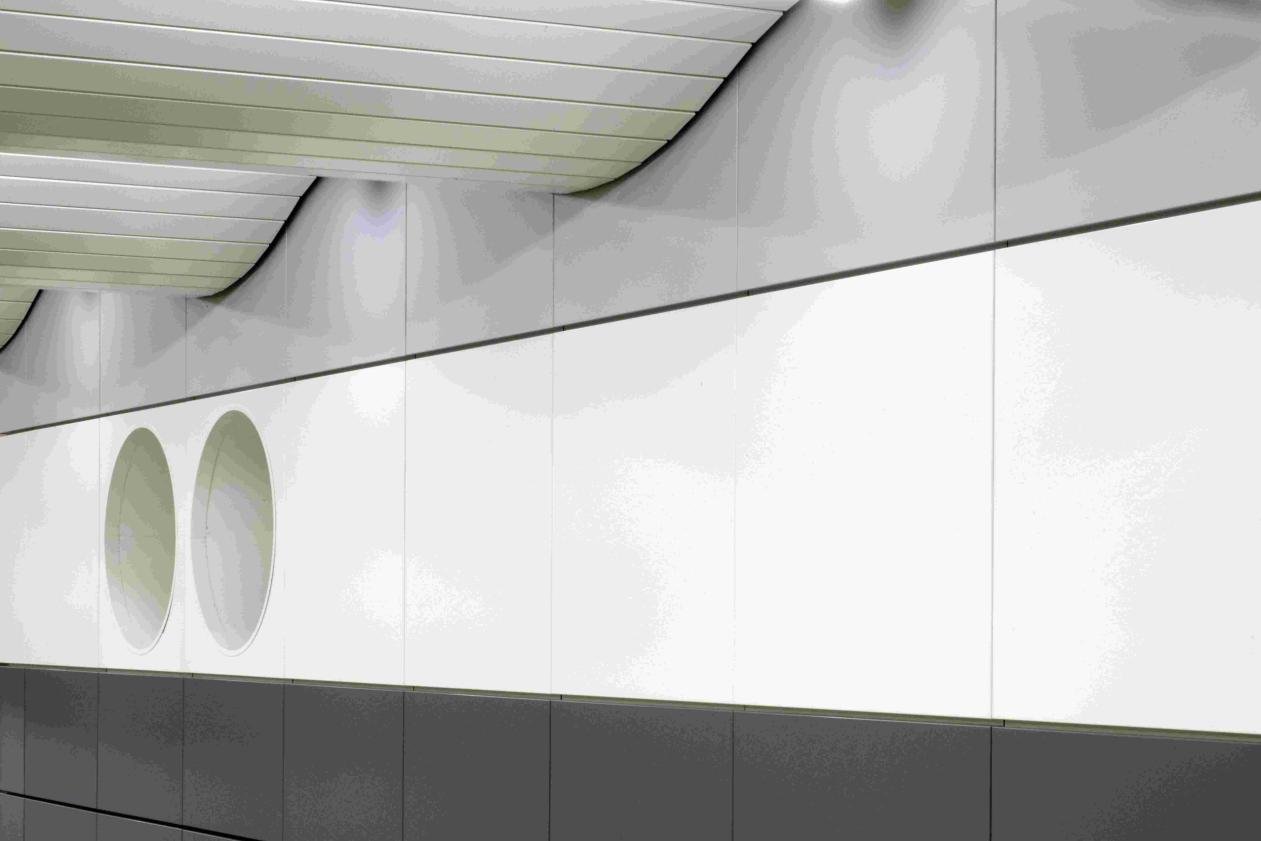
Plastic wall panels are often designed for cost-efficiency and benefit from fast, lightweight installation. They can mimic textures, take color easily, and work well in simple, low-exposure interiors. Metal wall panels — especially aluminum options — offer a different palette. Metals maintain crisp edges and reflect light in ways plastics cannot, which matters in lobbies, façades, and retail environments where subtle reflections and shadow lines define perceived value. Because a metal wall panel resists localized deformation, it preserves the clean sightlines designers expect and helps brand-oriented spaces look premium for years rather than months.
Forming, perforation and finish options — metal wall panel techniques
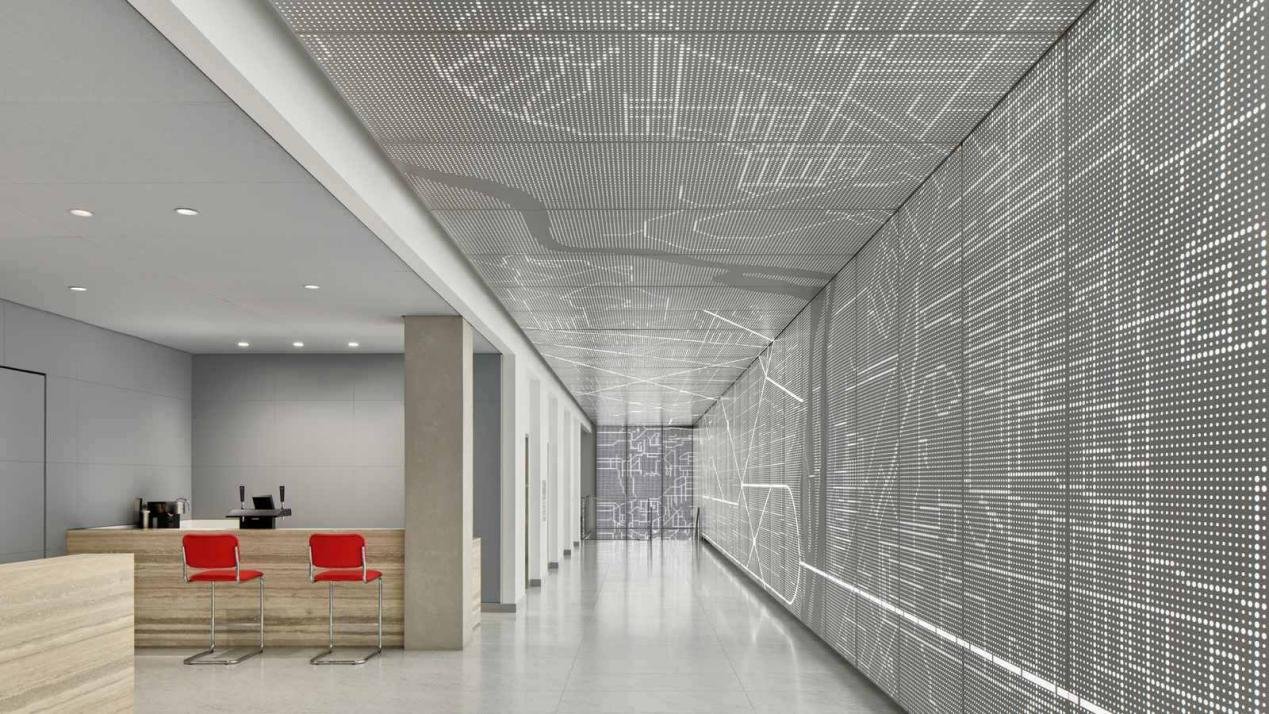
If the design calls for curves, perforated patterns for acoustic management, or anodized metallic finishes, metal is more flexible. Aluminum can be roll-formed, folded, and perforated while keeping tolerances tight. These capabilities let designers use metal as both an aesthetic and functional element — for example, a perforated metal wall that doubles as acoustic treatment and a daylight diffuser in an atrium, or a folded metal fin that creates a play of shadow at different sun angles. Those outcomes are difficult to replicate convincingly with sheet plastic without sacrificing durability.
Why thickness, flatness and section profiles matter — metal wall panel performance
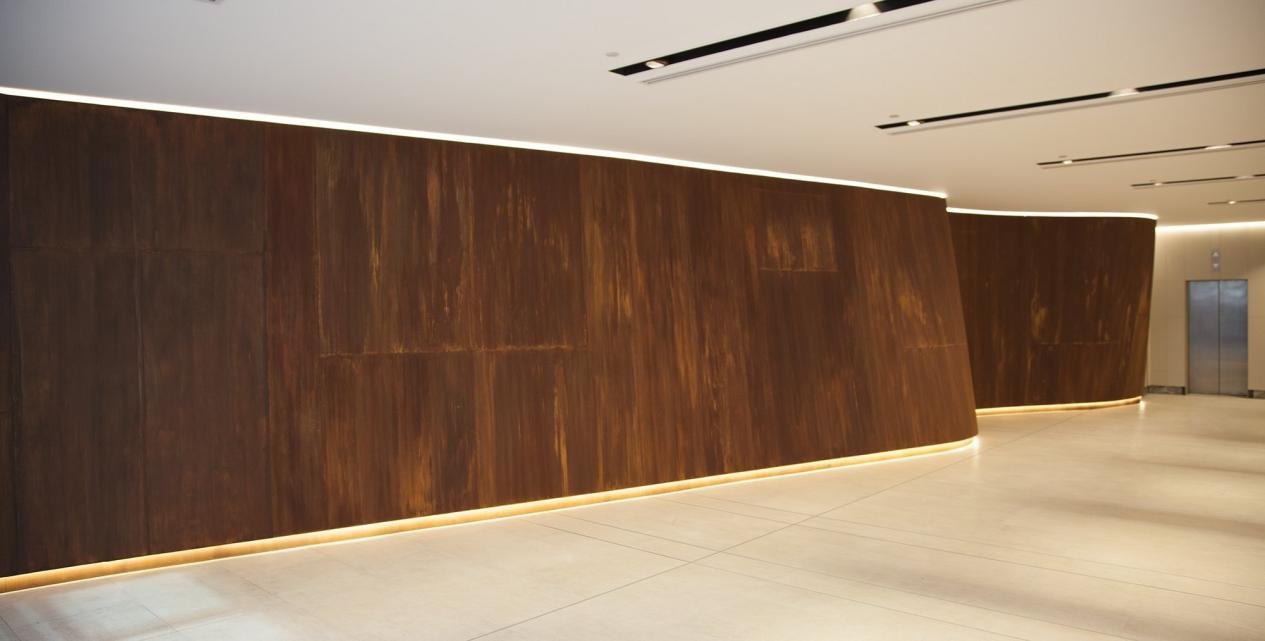
Instead of a spec sheet, think of thickness as a visual control. Thinner plastics can flex and show undulations when fastened over wide studs; that flex shows up as ripples under top-lighting or in low-angle daylight. A metal wall panel’s profile and gauge deliver stiffness that keeps surfaces taut and predictable. For architects, that predictability translates into cleaner transitions at corners, tighter reveal details, and less rework during install — all of which affect the perceived quality of the finished building and the schedule risk during handover.
Practical implications on installation — metal wall panel detailing
The right profile simplifies trade coordination. Metal systems commonly use clip-and-rail fixings that allow panels to float for thermal movement and to be removed individually. This minimizes damage during MEP installation and future upgrades. By contrast, fully bonded plastic panels can make mid-construction access and patching more intrusive. When a fabricator supplies shop drawings tied to clip locations and panel numbering, the installer gets a predictable sequence and fewer surprises.
Durability and lifecycle cost (practical view)
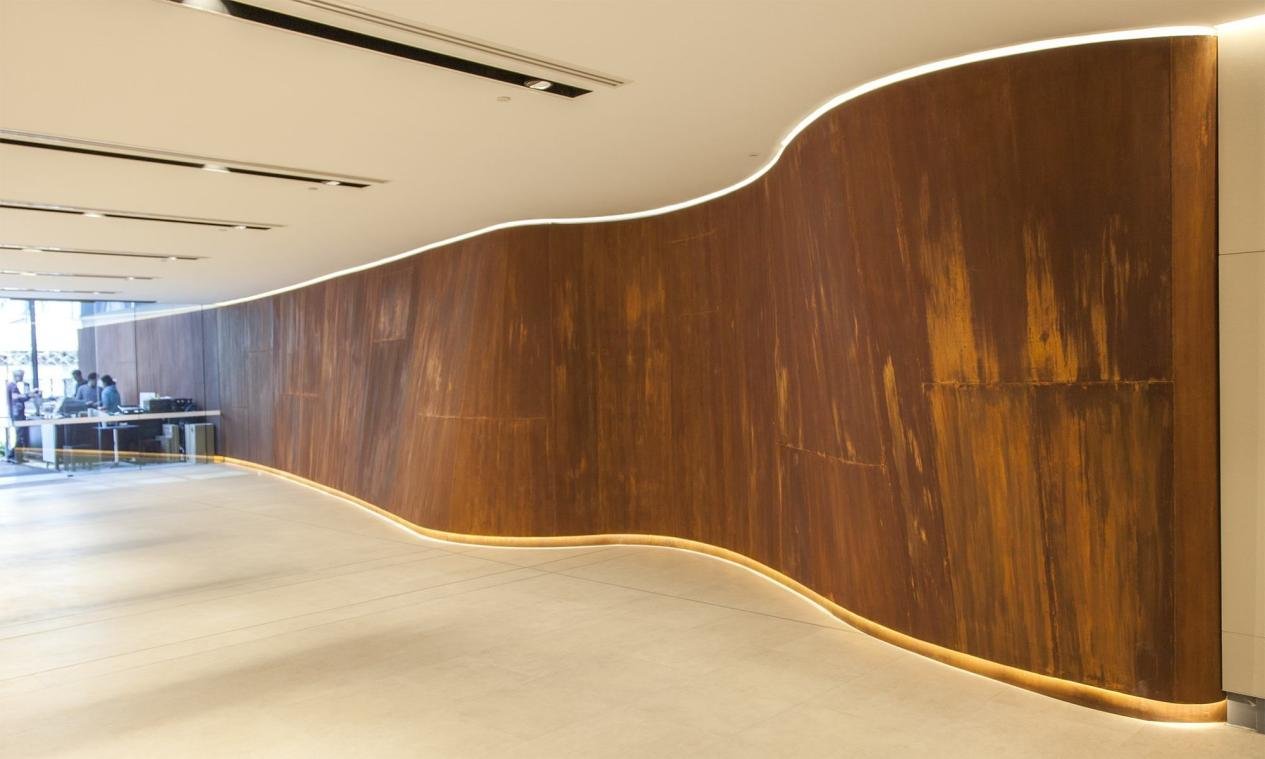
Plastic panels can perform well in dry, low-traffic interior areas. They are lightweight, and their installation speed can reduce labor on small projects. However, in high-traffic commercial zones or exterior cladding exposed to UV and temperature swings, plastics often age unevenly: color drift, creep at fasteners, and surface scratches can accumulate, increasing replacement and touch-up costs. Metal panels — when properly finished and coated — retain color, resist graffiti removal, and can be repaired locally without full-panel replacement. For owners, that repairability is a major component of lifecycle value.
Weathering, coatings and maintenance — metal wall panel care
Metal panels require specifying finishes suited to the local climate—PVDF and anodized coatings have long track records in busy urban and coastal settings. Maintenance is straightforward: pressure washing, mild detergents, and spot painting for scratches. Plastics can be cleaned but may require gentler chemicals to avoid surface clouding; abrasive cleaning shortens their service life. The practical point for decision-makers: maintenance regimes and chemical compatibility should be scoped during selection, not after installation.
Acoustics and thermal behaviour
Aesthetic walls must often work silently behind the scenes. Plastic panels may have resonance characteristics that make them less suitable where sound absorption and control matter. Metal panels, combined with engineered cavities and acoustic linings, are straightforward to integrate into high-performance wall assemblies. Metal’s higher thermal conductivity also means designers should specify thermal breaks and insulating cavities, but once detailed correctly this assembly provides stable thermal and acoustic performance with predictable maintenance.
Fire safety and code considerations (practical angle)
Design teams rarely want curveballs in permitting. Many plastic panels are engineered to meet interior fire codes, but compositions vary and testing is product-specific. Metal wall panels offer a simpler conversation with code officials: most metal panels are non-combustible substrates with finishes that meet common fire performance needs for many commercial applications. In practice, specifying a metal wall panel reduces ambiguity during approvals and streamlines the review process — provided local code requirements are confirmed early.
Installation realities: tolerances and trade contractors
Installers appreciate materials that reduce surprises on site. Plastics, because of lower stiffness, show sensitivity to substrate tolerance — meaning more time aligning rails and shimming. Metal panels can mask minor substrate irregularities with engineered clips and reveal systems. A fabricator that provides accurate shop drawings, panel numbering, and pre-cut junctions turns architectural intent into repeatable assemblies. That repeatability reduces on-site troubleshooting time and lowers labor risk, which is a direct saving for project budgets.
Sustainability and end-of-life
Recycling and embodied carbon are growing priorities for owners and certification schemes. Many plastics are recyclable in theory, but recycling streams are limited; composite or contaminated panels often end up in landfill. Aluminum and steel have robust recycling markets; aluminum’s high recycled content and long service life support circularity claims. Additionally, metal panels can be refinished or patched, further extending their service life and lowering long-term embodied carbon for owners with sustainability targets.
From concept to installation — why a one-stop partner matters
Large commercial projects benefit when a supplier does more than sell material. PRANCE’s One-Stop Solution is an example: site measurement, design deepening (detailed shop drawings), controlled production, and delivery coordinated with installation. Capturing field conditions early and resolving interface details before fabrication dramatically reduces on-site variations. For architects and owners, that means fewer change orders, faster commissioning, and a finished surface that matches the design intent — not just on paper but under the actual site lighting and constraints.
Overcoming project challenges with integrated service (PRANCE)
Complex curtain wall and feature wall projects present coordination challenges: tolerances, penetrations, and interface detailing with MEP or structural members often cause costly rework. PRANCE offers an integrated delivery model: precise site surveys (including 3D scanning where required), BIM-compatible shop drawings that tie to fabrication files, strictly controlled factory production, and sequence-ready packing methods. The practical benefit is reduced risk—interfaces are tested in drawings, panels are delivered to site in installation sequence, and installers know which panel goes where. This discipline shortens schedule risk, reduces punch-list items, and preserves the visual intent the design team set out to achieve.
How to choose: application-focused scenarios
Think in terms of use-case, not just material. For a high-traffic hotel lobby where tactile quality and longevity matter, metal panels create the required sense of permanence. For a temporary retail fit-out or low-cost back-of-house corridor, plastic panels can be sufficient and budget-friendly. Consider maintenance plans early: if the client plans regular deep cleans or expects abrasive operations, a metal wall panel tolerates harsher chemicals and abrasion; if the client expects frequent tenant turnover, surface repairability and panel interchangeability become decisive.
Decision checklist
Is the wall a long-term architectural statement? Favor metal.
Will maintenance access be frequent? Favor systems with removable panels.
Is initial budget the dominant constraint? Consider durable plastic for non-critical areas.
Specify performance outcomes: flatness across the visible span, maximum joint reveal, and allowable color variation. Ask fabricators for full-scale mock-ups under site lighting and require shop drawings that show penetrations for signage, lighting and MEP. Early coordination of these details reduces the need for post-install patching and keeps critical sightlines clean.
Cost framing: ROI, not sticker price
Compare installation and lifecycle cost. Plastics may appear cheaper initially, but if they require more frequent replacement or touch-ups, the owner’s lifecycle cost rises. Metal panels often command higher capital cost but reduce maintenance, allow localized repairs, and preserve asset value by keeping façades and interiors looking modern longer. Present owners with a simple matrix showing initial cost versus 5–10 year projected maintenance to make the trade-off tangible.
Procurement and contract language
Use performance-based procurement language: prescribe outcomes (flatness, color retention, acoustic rating) and require sample approval and mock-ups. Require the supplier to provide a clear interface scope for trades so responsibility for penetrations or transitional details is assigned before fabrication.
Common misperceptions — metal wall panel myths
“Metal is always heavier and harder to install” — metal wall panel reality
Modern metal systems are engineered with clip-and-rail fixings and light-gauge aluminum to keep weight manageable and speed installation. Fabricator-led installation programs can be as fast as other systems and are often faster when the supplier provides sequence-based packing and numbered panels.
Short-term savings are real, but reliable budgeting needs lifecycle modeling. For high-visibility spaces, initial savings can disappear after one or two replacement cycles. Evaluate total cost of ownership, not just initial procurement.
Conclusion
Choosing between plastic and a metal wall panel should start with the building’s intention: is the surface a signature element or a disposable backdrop? For buildings where brand, durability, and long-term value matter, metal wall panels deliver predictable aesthetics, repairability, and circularity benefits. Work with fabricators and integrated partners who translate design into engineered assemblies—this is where design intent survives construction without compromise.
FAQ
Q: Can metal wall panels be used in humid exterior climates?
A: Yes. With appropriate coatings and thermal detailing, metal panels perform well in humid climates. Specify corrosion-resistant finishes and ensure joints are sealed; coordinate with the cladding supplier on local exposure tests and maintenance regimes for coastal or tropical environments.
Q: How do I access systems behind a metal wall panel for maintenance?
A: Design panels with removable access panels or include planned reveal lines and clip systems. Insist on numbered, sequence-ready packaging and a simple removal guide from the fabricator—this avoids dismantling large areas during routine access and limits damage to adjacent finishes.
Q: Is metal suitable for retrofitting older buildings?
A: Metal systems are often ideal for retrofits because lightweight aluminum rainscreen systems can be fixed over existing substrates with new rails. Early survey and custom panel sizing reduce on-site cutting, minimize scaffold time, and preserve the original structure while delivering a refreshed façade.
Q: Can metal panels integrate lighting or signage?
A: Absolutely. Metal fabricators commonly provide bespoke cutouts, backlit cavities, and integrated support for signage and luminaires. Coordinate during design development to include structural supports, access for wiring, and maintenance provisions so lighting becomes part of the finish, not an afterthought.
Q: How do metal panels perform acoustically in open-plan offices?
A: When combined with absorptive backing or perforated face sheets and internal liners, metal panels contribute effectively to noise control. Specify NRC targets and let the fabricator propose perforation patterns and cavity depths that meet both aesthetic and acoustic requirements.
Looking for custom-designed ceilings, walls, or facades to elevate your project? Explore PRANCE Design’s integrated design and manufacturing solutions, and create the perfect fit for your architectural needs today!

 A building’s interior and exterior surfaces are as decisive to first impressions as architecture itself. For project owners and design teams, choosing between plastic and metal wall panels is more than a material selection — it’s a decision that shapes aesthetics, long-term maintenance budgets, acoustic comfort, and even a building’s brand expression. This article compares plastic and metal wall panels and shows when a metal wall panel is the strategic choice for commercial projects that demand visual quality, predictability, and lifecycle value.
 Plastic wall panels are often designed for cost-efficiency and benefit from fast, lightweight installation. They can mimic textures, take color easily, and work well in simple, low-exposure interiors. Metal wall panels — especially aluminum options — offer a different palette. Metals maintain crisp edges and reflect light in ways plastics cannot, which matters in lobbies, façades, and retail environments where subtle reflections and shadow lines define perceived value. Because a metal wall panel resists localized deformation, it preserves the clean sightlines designers expect and helps brand-oriented spaces look premium for years rather than months.
 Instead of a spec sheet, think of thickness as a visual control. Thinner plastics can flex and show undulations when fastened over wide studs; that flex shows up as ripples under top-lighting or in low-angle daylight. A metal wall panel’s profile and gauge deliver stiffness that keeps surfaces taut and predictable. For architects, that predictability translates into cleaner transitions at corners, tighter reveal details, and less rework during install — all of which affect the perceived quality of the finished building and the schedule risk during handover.
 Plastic panels can perform well in dry, low-traffic interior areas. They are lightweight, and their installation speed can reduce labor on small projects. However, in high-traffic commercial zones or exterior cladding exposed to UV and temperature swings, plastics often age unevenly: color drift, creep at fasteners, and surface scratches can accumulate, increasing replacement and touch-up costs. Metal panels — when properly finished and coated — retain color, resist graffiti removal, and can be repaired locally without full-panel replacement. For owners, that repairability is a major component of lifecycle value.
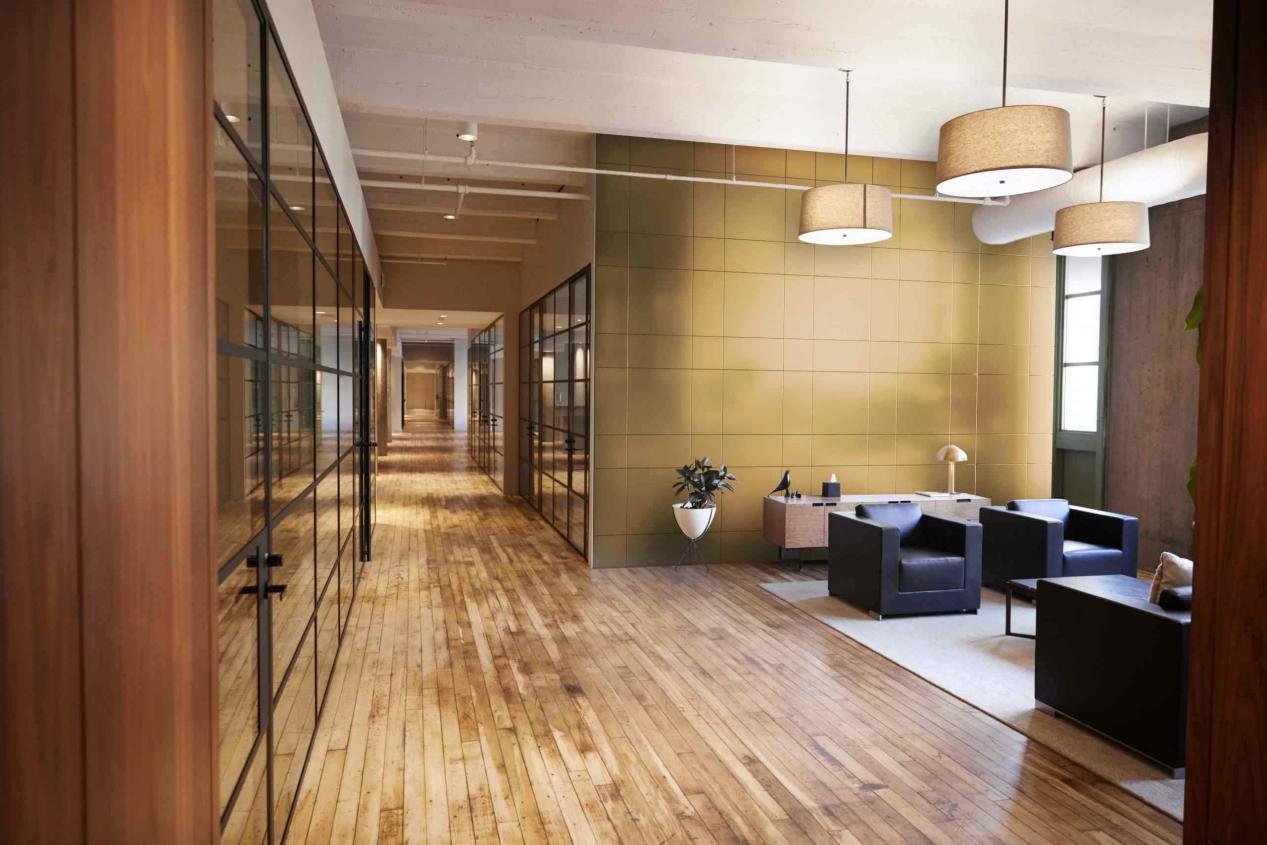 Aesthetic walls must often work silently behind the scenes. Plastic panels may have resonance characteristics that make them less suitable where sound absorption and control matter. Metal panels, combined with engineered cavities and acoustic linings, are straightforward to integrate into high-performance wall assemblies. Metal’s higher thermal conductivity also means designers should specify thermal breaks and insulating cavities, but once detailed correctly this assembly provides stable thermal and acoustic performance with predictable maintenance.
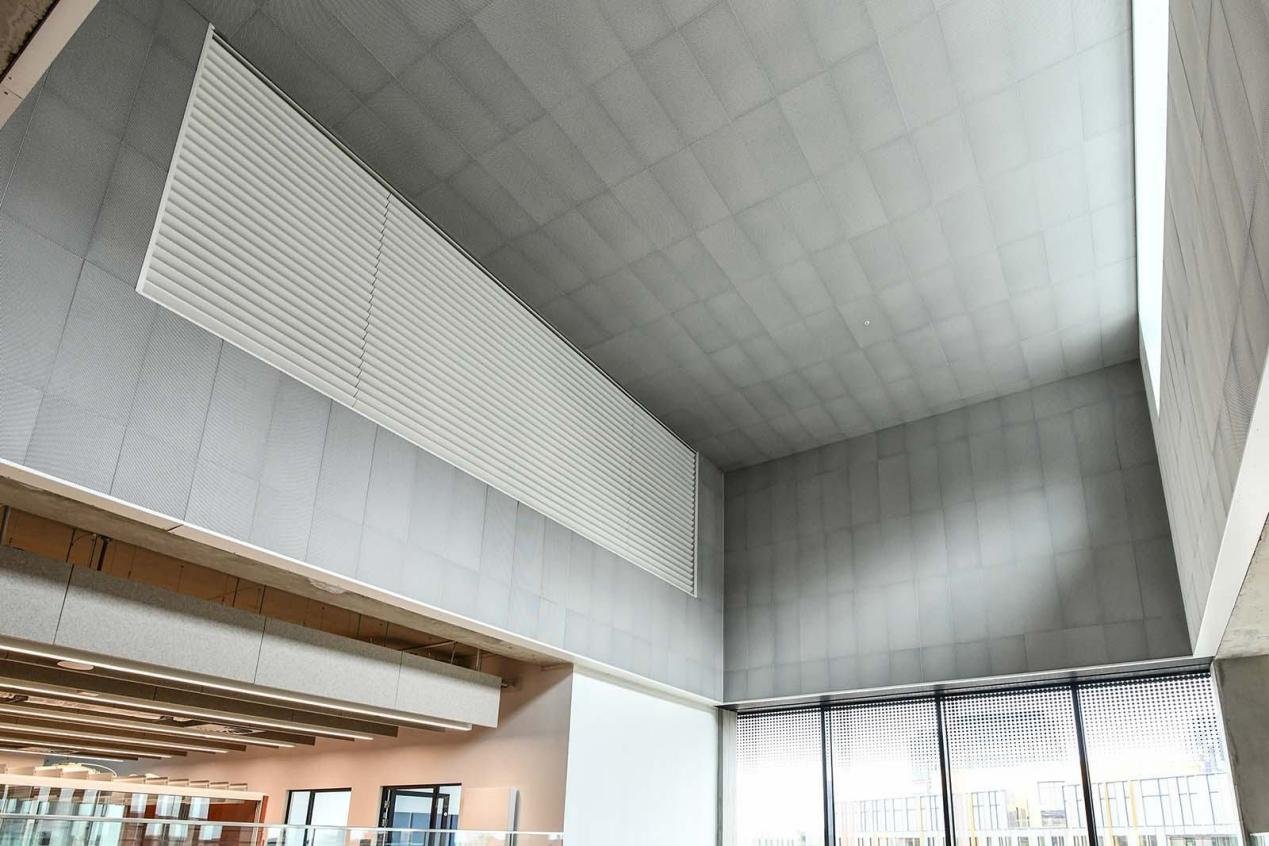 Design teams rarely want curveballs in permitting. Many plastic panels are engineered to meet interior fire codes, but compositions vary and testing is product-specific. Metal wall panels offer a simpler conversation with code officials: most metal panels are non-combustible substrates with finishes that meet common fire performance needs for many commercial applications. In practice, specifying a metal wall panel reduces ambiguity during approvals and streamlines the review process — provided local code requirements are confirmed early.
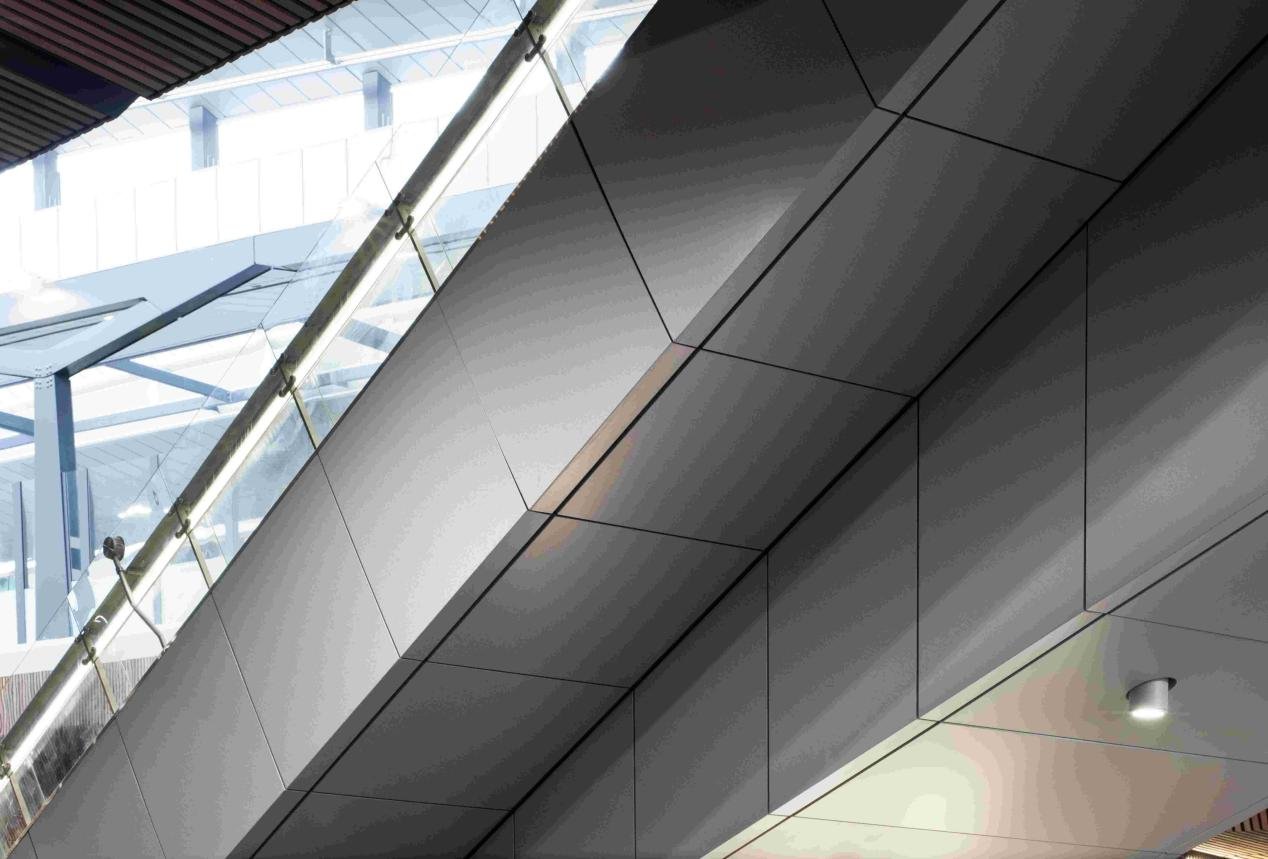 Installers appreciate materials that reduce surprises on site. Plastics, because of lower stiffness, show sensitivity to substrate tolerance — meaning more time aligning rails and shimming. Metal panels can mask minor substrate irregularities with engineered clips and reveal systems. A fabricator that provides accurate shop drawings, panel numbering, and pre-cut junctions turns architectural intent into repeatable assemblies. That repeatability reduces on-site troubleshooting time and lowers labor risk, which is a direct saving for project budgets.
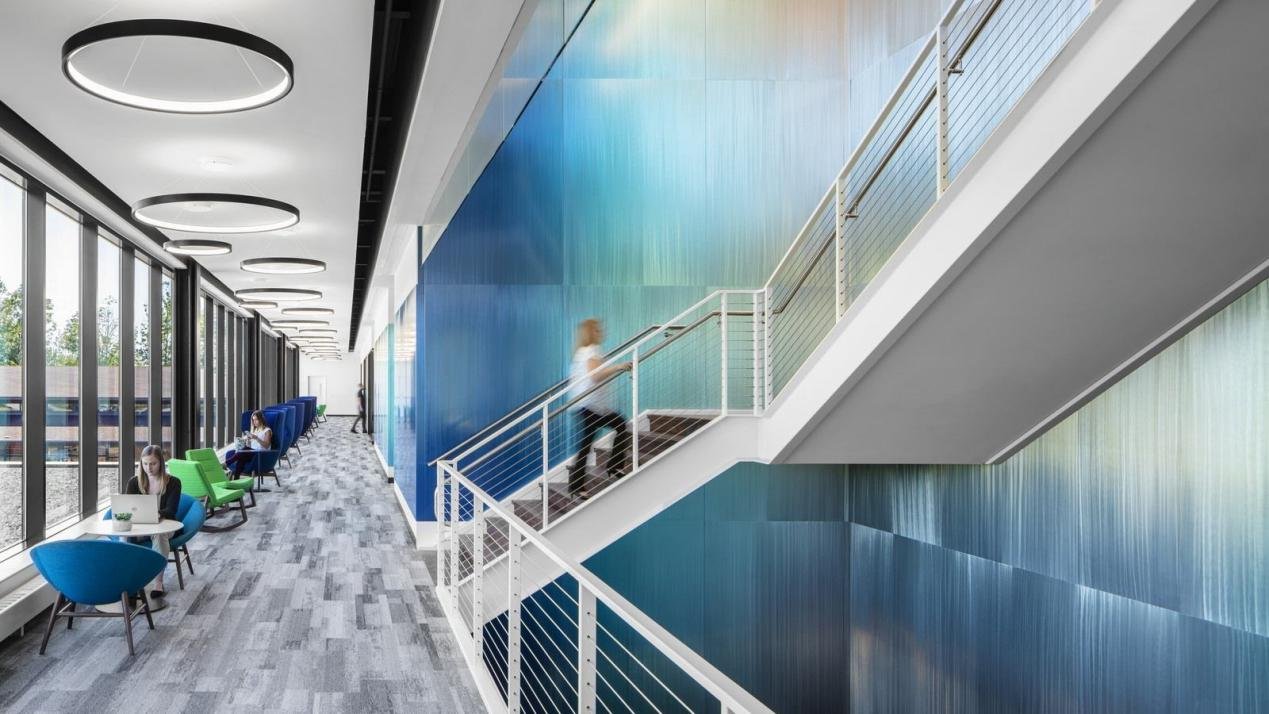 Recycling and embodied carbon are growing priorities for owners and certification schemes. Many plastics are recyclable in theory, but recycling streams are limited; composite or contaminated panels often end up in landfill. Aluminum and steel have robust recycling markets; aluminum’s high recycled content and long service life support circularity claims. Additionally, metal panels can be refinished or patched, further extending their service life and lowering long-term embodied carbon for owners with sustainability targets.
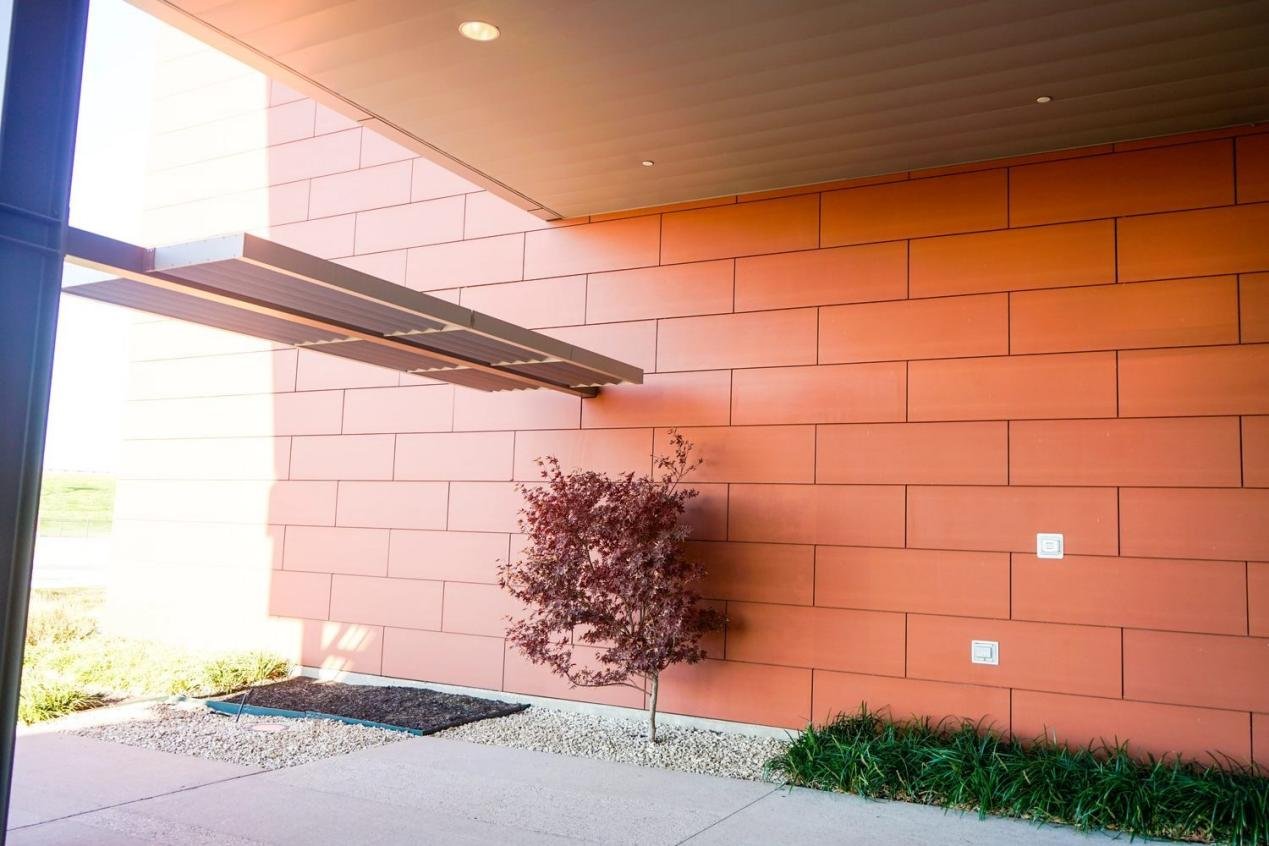 Think in terms of use-case, not just material. For a high-traffic hotel lobby where tactile quality and longevity matter, metal panels create the required sense of permanence. For a temporary retail fit-out or low-cost back-of-house corridor, plastic panels can be sufficient and budget-friendly. Consider maintenance plans early: if the client plans regular deep cleans or expects abrasive operations, a metal wall panel tolerates harsher chemicals and abrasion; if the client expects frequent tenant turnover, surface repairability and panel interchangeability become decisive.