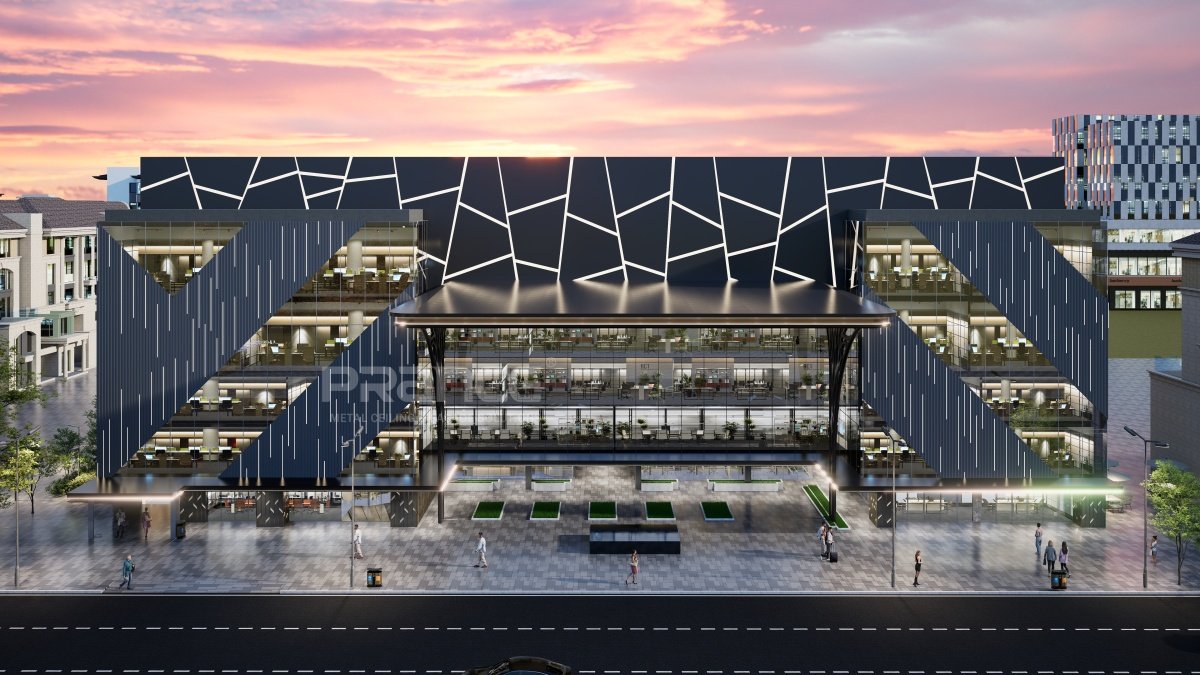
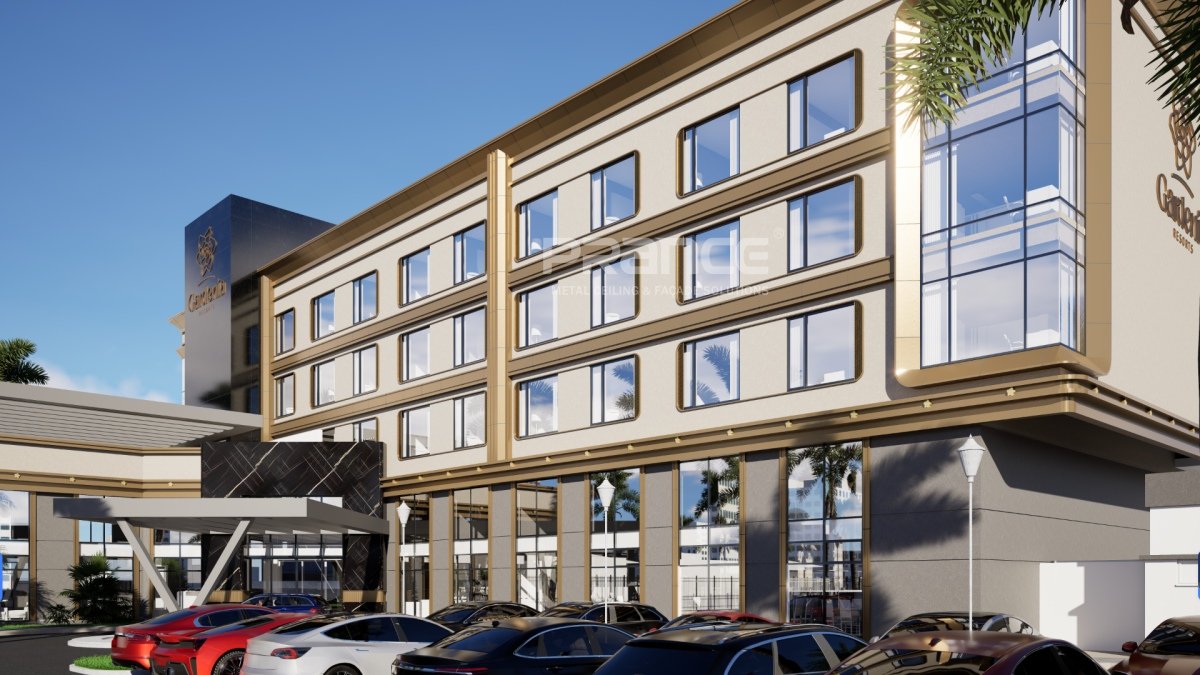
In hot Middle Eastern climates, aluminum wall cladding provides distinct performance and lifecycle advantages compared with sandstone. Sandstone offers a traditional, heavy fa?ade look but is porous and can absorb moisture, salts and fine desert sand; over time this leads to surface staining, efflorescence and frequent cleaning or replacement. Aluminum panels are lightweight, non-absorbent and available with high-quality PVDF or FEVE coatings that resist UV degradation, colour fade and sand abrasion. Thermal performance depends on assembly: with proper rainscreen design, thermally broken aluminum systems reduce heat transfer better than uninsulated stone veneers because you can integrate continuous insulation and ventilated cavities. Installation speed and predictability favour aluminum ¡ª panels are prefabricated to tight tolerances, reducing site labour in climates where outdoor work windows are limited by heat. For office and commercial projects, aluminum¡¯s range of finishes (brushed, anodized, wood-look, metallic) lets designers mimic natural stone while avoiding the maintenance burdens. Finally, aluminum¡¯s recyclability and lighter dead load reduce structural requirements and long-term carbon footprint, which matters for large developments across the region.