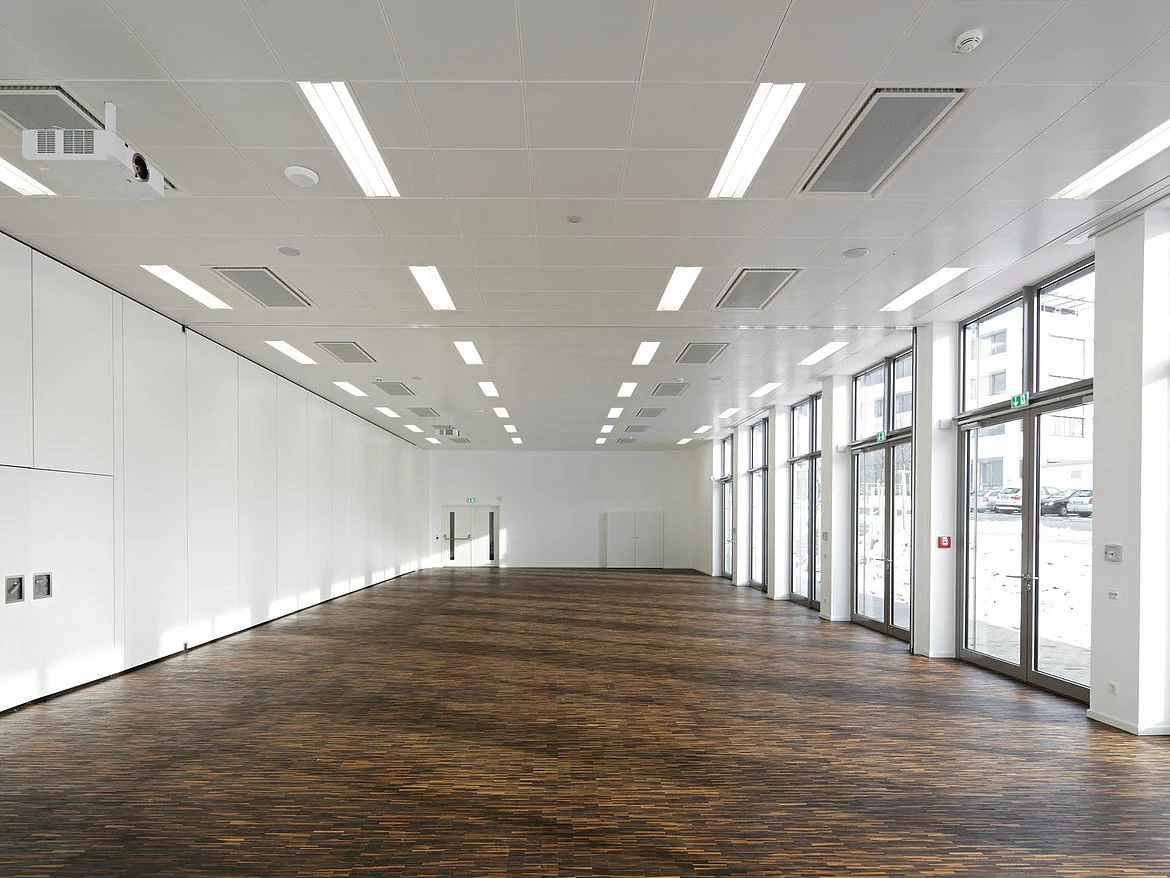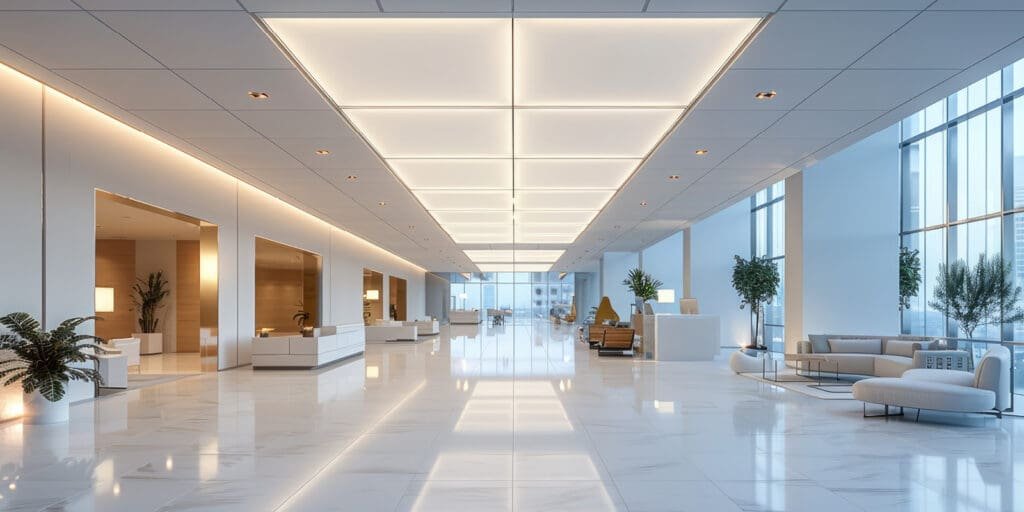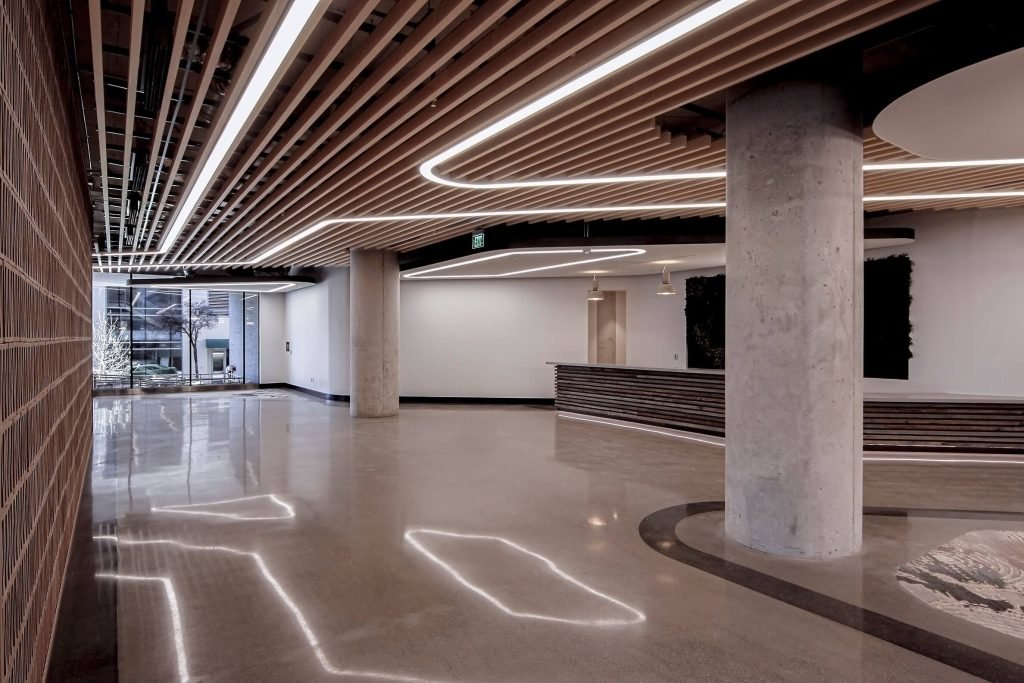
In the sphere of cutting-edge interior design, where durability and aesthetics must coexist, a new hero has emerged for the often-overlooked “fifth wall”: the aluminum ceiling. While traditional materials have their place, the versatility, longevity, and sleek appeal of aluminum offer unparalleled opportunities for architects and designers. An expertly crafted aluminum ceiling design moves beyond a simple covering; it becomes an integral part of the architecture, manipulating light, controlling acoustics, and defining the very character of a space.
This material is the cornerstone of modern house interior decoration, providing a clean, sophisticated canvas that can be adapted to any style. A masterful ceiling design using aluminum is a statement of intent—a choice for sustainability, low maintenance, and limitless creative expression. From the striking vertical lines of a baffle system to the warm, inviting look of wood-grain finishes, aluminum ceilings are transforming commercial and residential interiors from the top down.
This guide will delve into the foundational styles of aluminum ceilings, explore the vast array of available finishes, and showcase how this remarkable material can turn your ceiling into a breathtaking and high-performance focal point.
Foundational Aluminum Ceiling Styles: Architectural Innovation
Aluminum’s true strength lies in its ability to be shaped into precise, dynamic profiles. This has given rise to several distinct systems, each offering unique aesthetic and functional benefits. These are the core different types of ceiling designs that define the modern architectural landscape.
Baffle Ceilings: Vertical Lines and Acoustic Excellence
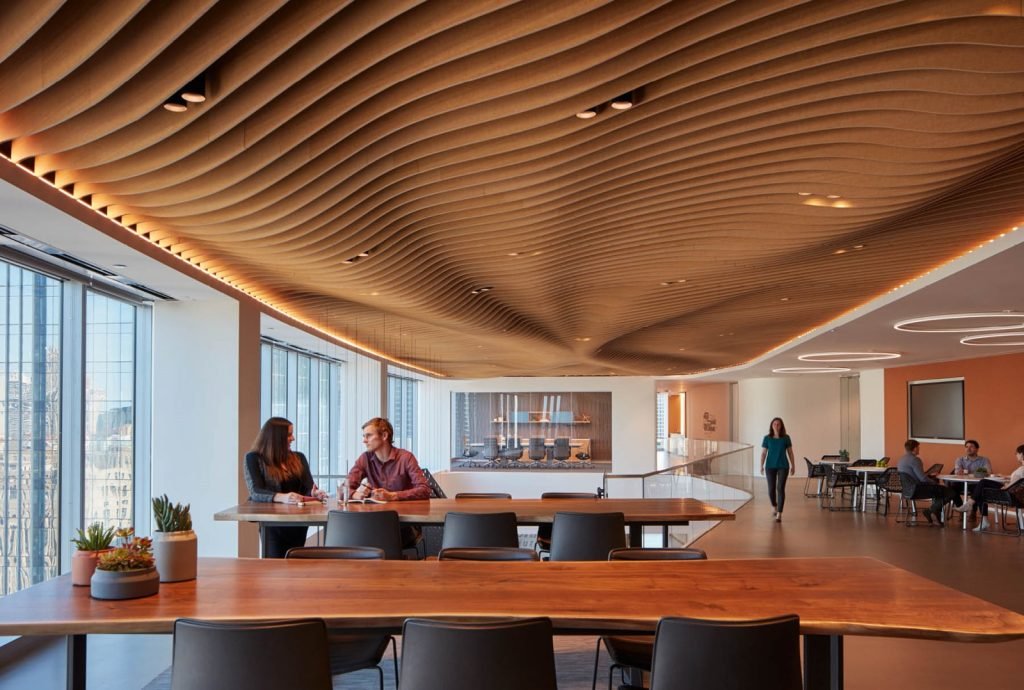
Perhaps the most dramatic and visually impactful of all aluminum systems, the baffle ceiling consists of a series of vertical blades, or “baffles,” suspended from a grid. This ceiling design creates a powerful sense of depth, directionality, and rhythm, drawing the eye and adding a sculptural quality to the space.
Impact: Baffle ceilings excel at breaking up large, monotonous ceiling planes. The height, spacing, and color of the baffles can be customized to create unique visual effects. Functionally, they are acoustic powerhouses. The vertical surfaces are highly effective at trapping and absorbing sound waves, making them an ideal choice for spaces with high noise levels like airports, open-plan offices, restaurants, and lobbies. They also brilliantly conceal the plenum (the space above the ceiling) and its services—like ductwork, wiring, and sprinkler systems—while allowing them to function unimpeded. This makes them a prime example of exposed ceiling interior design that is both raw and refined.
Application: These architectural ceiling designs are perfect for adding volume and a contemporary edge. In a commercial setting, they convey a sense of modern professionalism. In a residential living room with high ceiling design, they can add texture and a “wow” factor without lowering the overall ceiling height.
Slat & Plank Ceilings: The Beauty of Linear Design
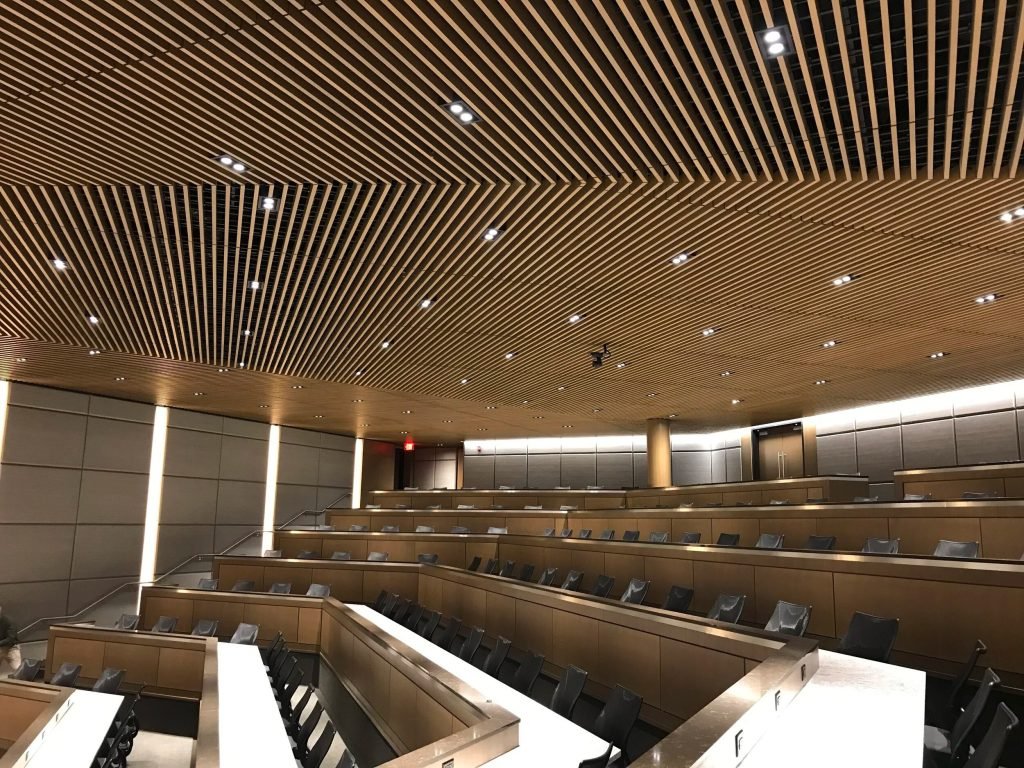
Linear ceilings, which include both slat and plank styles, are defined by their clean lines and seamless appearance. Planks are generally wider profiles that fit together snugly, while slats are narrower and can be installed with a small gap (a “reveal”) between them for added visual interest.
Variations: This is where aluminum truly shines. These systems can be finished in any color imaginable, but their most popular application is in hyper-realistic wood grain finishes. For those who love the aesthetic of wooden ceiling designs for living room but are concerned about the warping, moisture damage, or maintenance of real wood, aluminum is the perfect solution. A modern ceiling wood design using aluminum slats offers the warmth and beauty of timber with the unmatched durability and fire resistance of metal.
Style Notes: The clean, continuous lines of slat and plank ceilings are ideal for creating a sense of flow and making a space feel longer or wider. They are a versatile choice for a modern ceiling design for living room, kitchen, or even a covered outdoor patio. Perforated planks combined with an acoustic backing can be used to enhance sound absorption, making them a functional choice for any room ceiling design.
Open Cell Ceilings: Geometric Depth and Modern Grids
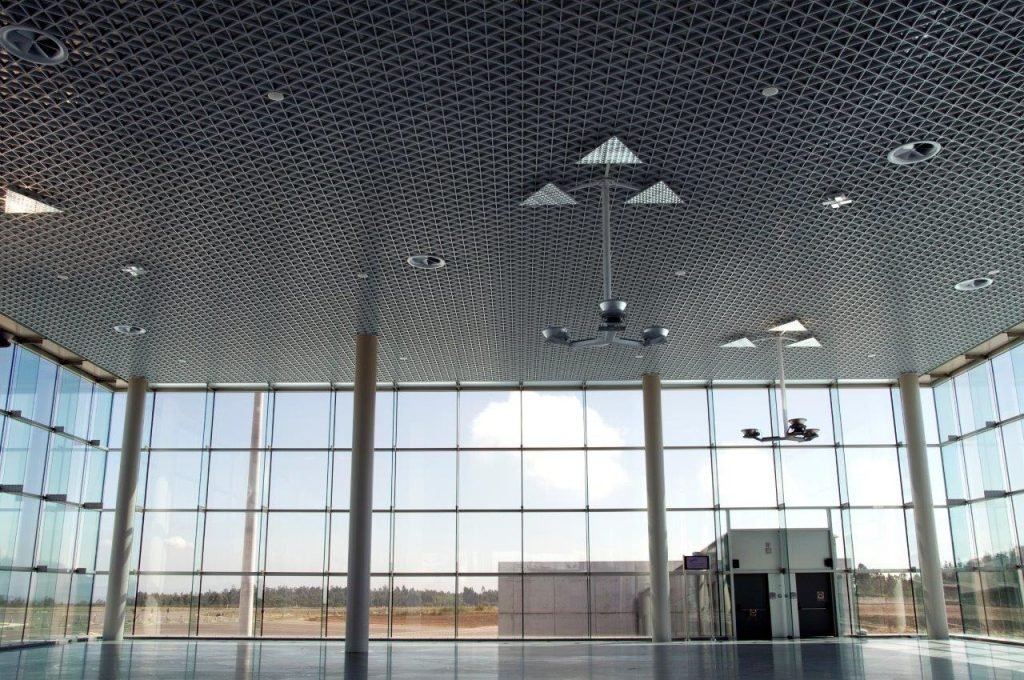
For a truly unique and unusual ceiling idea, the open cell (or grid) ceiling offers a distinctive, modern aesthetic. This design is created from a grid of interlocking aluminum profiles, typically forming a pattern of squares or rectangles that is open to the plenum above.
Impact: An open cell ceiling creates a visually engaging, continuous texture that partially screens the services in the plenum while maintaining a sense of openness and height. It’s a cool ceiling design that plays with light and shadow in a captivating way. The grid structure adds a layer of geometric precision and industrial chic that is perfect for retail environments, showrooms, and creative office spaces.
Application: This system is one of the most creative ceiling ideas for designers looking to add texture and a structured pattern. Lighting fixtures can be suspended through the cells or laid within the grid itself, creating a fully integrated and cohesive look. It’s an ideal solution for a design on ceiling that is both decorative and highly functional.
Finishes and Texture: The Aesthetic Versatility of Aluminum
The base material is only the beginning. The true magic of aluminum ceiling design lies in the vast array of finishes that allow for complete creative control, turning a functional element into a bespoke design feature.
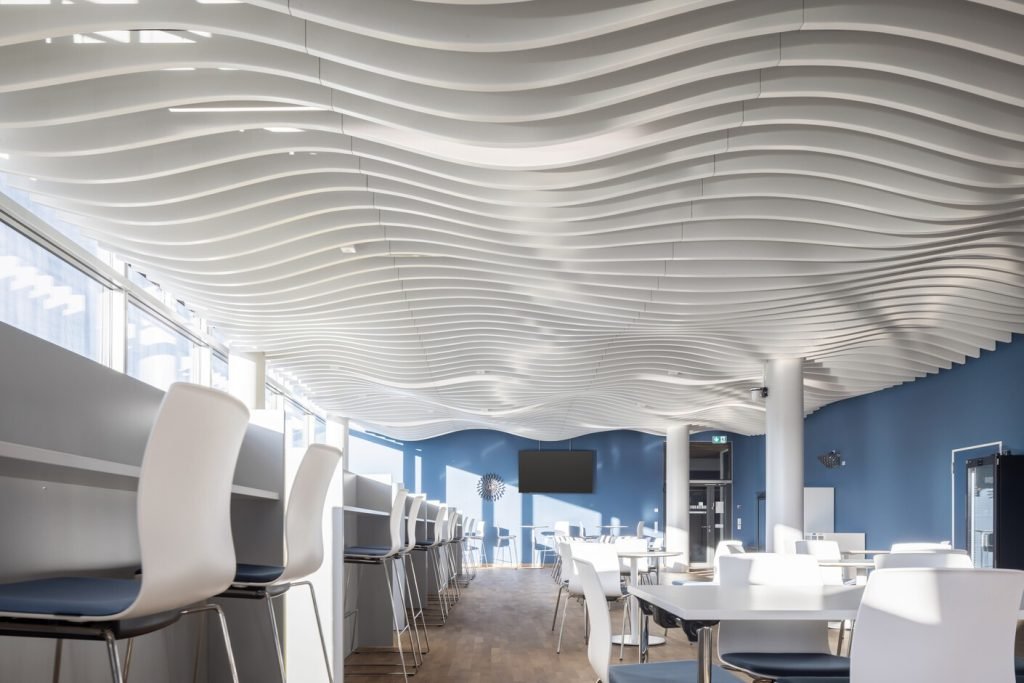
The Power of Color and Powder Coating
Unlike materials that require periodic repainting, aluminum ceilings are typically finished with a factory-applied powder coating. This process results in a durable, uniform, and long-lasting finish that resists chipping, fading, and scratching. With access to the entire RAL color spectrum, designers can specify everything from a crisp, minimalist white to a vibrant, bold hue that becomes the centerpiece of the room’s color palette. These coatings also provide excellent resistance to humidity, making them an ideal choice for modern ceiling designs for kitchens and bathrooms.
The Natural Look of Wood Grain Finishes
As mentioned, the ability to mimic natural wood is one of aluminum’s most compelling features. Using an advanced sublimation process, realistic wood grain patterns are thermally bonded to the aluminum profiles. The result is a finish that is virtually indistinguishable from real wood from a distance, capturing the subtle variations in grain and color. This allows for the creation of stunning contemporary wood ceilings in spaces where real wood would be impractical. Imagine a bedroom wooden ceiling that is fireproof, will never warp, and requires only simple cleaning—this is the advantage of aluminum. It’s the perfect fusion of nature-inspired aesthetics and industrial-grade performance.
Perforations for Acoustics and Visual Style
Solid aluminum surfaces can be acoustically reflective. To combat this, aluminum panels and planks can be perforated with micro-sized or larger holes. When combined with an acoustically absorbent inlay (like a black acoustic fleece), these perforations become nearly invisible from a distance but allow sound to pass through and be dampened. This functional aspect also serves as a design element, with different perforation patterns creating subtle ceiling texture samples and visual interest.
Lighting Integration: Illuminating Aluminum Designs
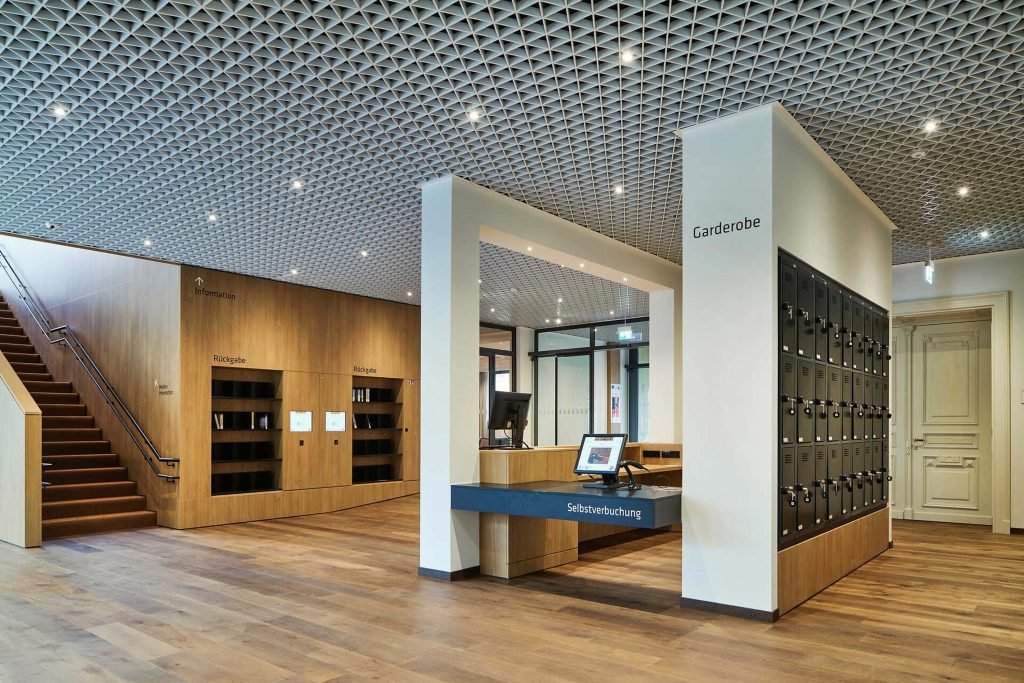
A key benefit of aluminum ceiling systems is their inherent compatibility with modern lighting solutions. The design of these systems anticipates the need for integrated, seamless illumination.
In a baffle ceiling, linear LED fixtures can be designed to match the height of the baffles, fitting perfectly between them for a clean, unobtrusive look. Alternatively, track lighting can be suspended from the carrier system above the baffles. For slat and plank ceilings, recessed downlights, spotlights, and even linear lights can be precisely factory-cut into the panels, ensuring a perfect fit and a professional finish. The structured nature of an open cell ceiling allows for light fixtures to be dropped through the grid, making the lighting feel like an intentional part of the geometric pattern. This synergy between the ceiling and the lighting is a hallmark of superior interior ceiling design.
Key Considerations Before You Begin
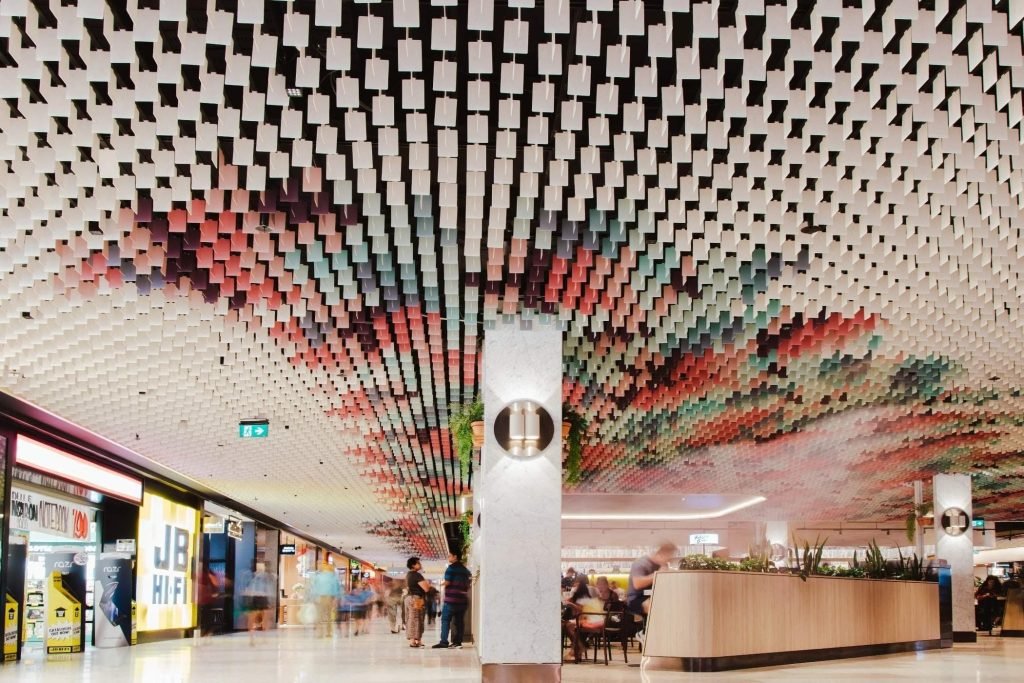
Choosing an aluminum ceiling is a smart, long-term investment. However, to ensure a successful outcome, a few key factors should be considered.
Evaluate Your Space
- Ceiling Height & Volume: Baffle ceilings, in particular, require adequate height to be appreciated and to function effectively. In rooms with lower ceilings, a sleek plank or slat system might be a more suitable choice to maximize the sense of space.
- Acoustic Needs: Is the space a quiet library, a bustling restaurant, or a home theater? The answer will guide your choice. Baffles and perforated planks are excellent for noise control, while a solid plank might be fine for a space where acoustics are not a primary concern.
- Intended Use: For high-moisture areas like bathrooms, kitchens, or pool houses, aluminum’s inherent corrosion resistance makes it a vastly superior choice to drywall or wood.
Define Your Budget and Style
While the upfront material cost for an aluminum ceiling system may be higher than for basic drywall, it’s essential to consider the lifecycle cost. Aluminum ceilings do not require painting, are exceptionally durable, and are easy to clean, saving significant maintenance costs over the long term. Stylistically, align your choice with your overall vision. A wood grain slat ceiling can fit beautifully into a warm, contemporary home, while a white or grey baffle system complements an industrial or minimalist aesthetic.
Conclusion: The Modern Choice for a Lasting Impressionp to Redefine Your Home

The ceiling is a defining element of any interior, and choosing aluminum is a commitment to modern design, durability, and innovation. It offers a sophisticated solution that solves practical problems—like acoustics and maintenance—while providing an almost limitless palette for architectural expression.
From the bold, sculptural statement of a baffle system to the warm, clean lines of a wood grain plank ceiling, these systems prove that the “fifth wall” can be the most dynamic surface in the room. By embracing the potential of an aluminum ceiling design, you are not just finishing a space; you are investing in a high-performance, sustainable, and endlessly beautiful element that will define your home or project for decades to come.