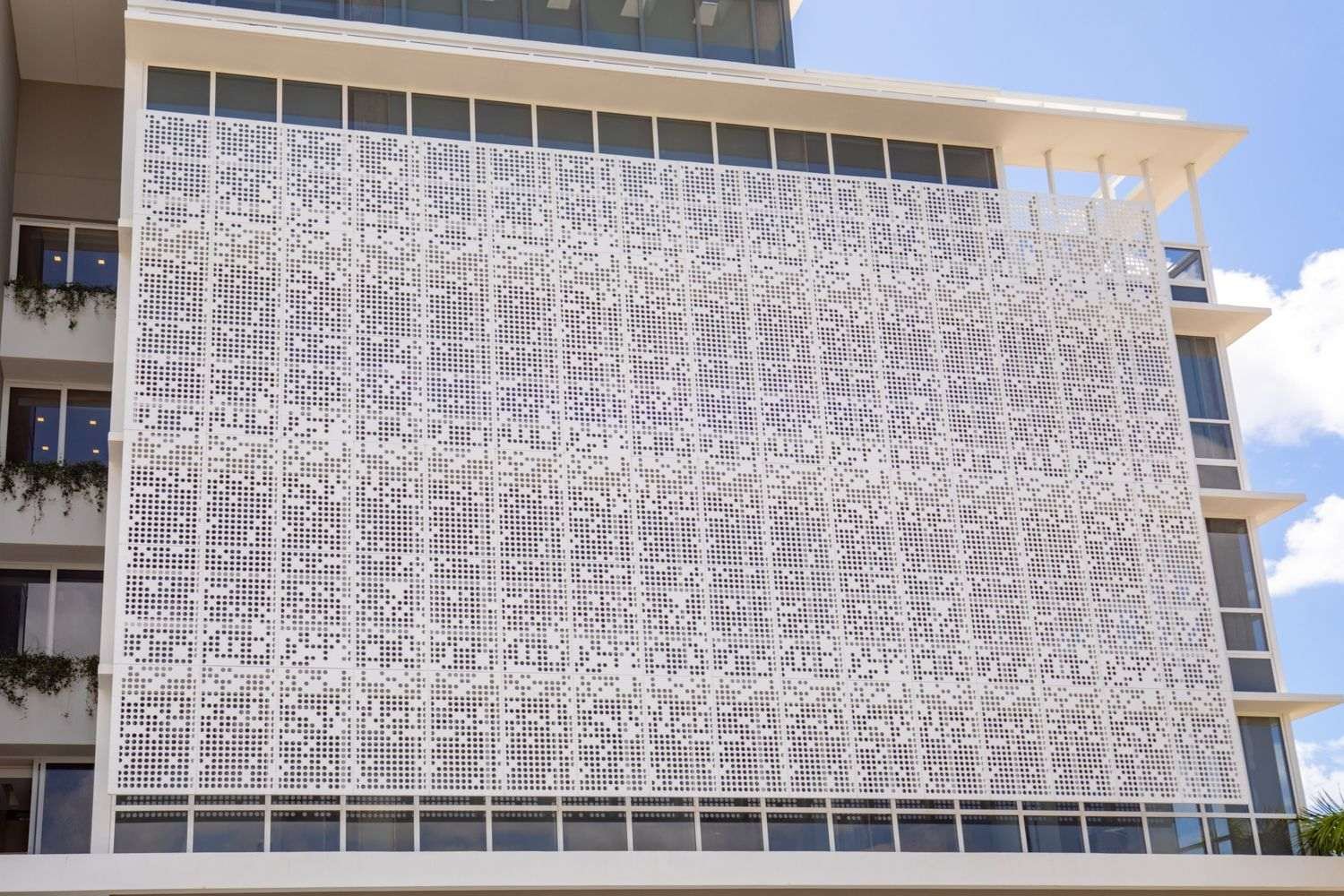
Aluminum Ceiling Maintenance Guide: Cleaning, Repair, and Long Term Care for Interior Systems
Introduction
Aluminum ceiling maintenance is a critical part of preserving the performance, appearance, and safety of interior architectural systems. For architects, facility managers, and contractors, understanding the correct cleaning methods, repair techniques, and lifecycle planning prevents premature replacement costs and maintains acoustic and fire-performance characteristics. This guide consolidates technical best practices, inspection protocols, and actionable checklists so decision-makers can specify durable, maintainable ceiling systems and plan budgets that reflect realistic service lives.
Scope and audience
This guide is written for architects, contractors, facility managers, and asset owners seeking practical, specification-grade guidance for aluminum ceiling maintenance.
Aluminum Ceiling Maintenance: Cleaning Best Practices
Routine cleaning schedule for aluminum ceiling maintenance
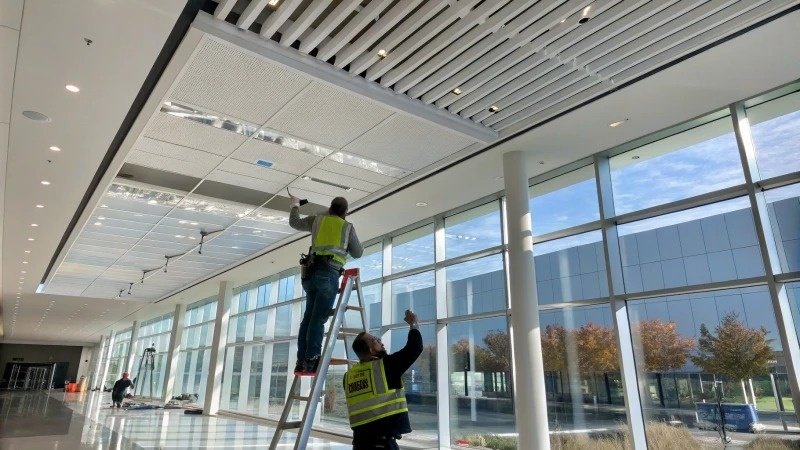
Daily dusting and a clearly defined weekly-to-quarterly cadence are the foundation of any maintenance plan. Begin with a monthly visual survey, then remove accumulated dust weekly using a vacuum with soft brush attachments for suspended ceilings. For open-grid or baffle systems, use extension poles and soft brushes to reach high elevations. Keep a maintenance log with dates, technician names, and observations to support warranty claims and identify trends that may require specification adjustments.
Deep cleaning procedures for aluminum ceiling maintenance
Deep cleaning should be pre-scheduled for areas exposed to grease, smoke, or construction residue. Use pH-neutral detergents at manufacturer-specified dilutions (typical range: 0.5–2% solution) and apply with low-pressure sprayers or microfiber pads. For stubborn marks, a spot-clean with diluted isopropyl alcohol (up to 70%) can be effective—always pre-test on a hidden area. When removing panels for cleaning, label positions to maintain visual alignment and acoustic continuity. For perforated panels with liners, remove the panel if necessary and clean both faces and liner separately to avoid trapping moisture.
Safe cleaning agents, PPE and tool selection
Select products listed in the manufacturer’s maintenance guide and avoid abrasive scrubs. Provide maintenance staff with PPE: nitrile gloves, eye protection, and respiratory protection where aerosolized cleaners are used. Preferred tools include microfiber cloths, non-metallic scrapers for paint residue, soft-bristle brushes, and low-pressure rinsers. Never use steam cleaners on panels with acoustic linings unless explicitly permitted.
Aluminum Ceiling Maintenance: Repair and Damage Mitigation
Common damage types and diagnosis
Impact dents, hairline scratches, coating delamination, and edge corrosion are common defects to monitor. Use a portable magnifier and calibrated gap gauge to assess edge separation and fastener loosening. Record defect type, location, and probable cause—this feeds back into procurement and installation quality improvements.
Step-by-step aluminum ceiling maintenance repairs
Before starting repairs, isolate the HVAC supply to reduce dust ingress. For scratches, clean the area and apply approved touch-up coatings following ambient temperature recommendations—most touch-up systems cure optimally between 10–30°C. For dents, controlled mechanical reshaping using soft-backed dollies may restore appearance without replacement. If acoustic liners are contaminated or compressed, replace the bonding medium and liner to restore NRC values. Document every repair with photos and replacement part numbers for warranty traceability.
Repair decisions: patch vs. replace
Economic analysis favors replacement when repair costs exceed 40–50% of replacement panel cost, or when visual mismatch will be noticeable. For high-visibility areas, replacement ensures color and gloss uniformity. Maintain spare inventory of matching panels and fasteners to reduce downtime and avoid color-lot mismatches.
Design, Material Selection, and Long-Term Care
Selecting finishes and materials for long-term aluminum ceiling maintenance
Specify PVDF (Kynar-type) coatings for high durability and color retention in demanding interiors. For abrasion resistance, anodized finishes with clear oxide layers provide long-term scratch resistance. Include minimum film thickness and salt-spray or humidity exposure expectations in the specification. Consider coil-coated systems with documented cycle testing for color stability under UV exposure near glazing.
Acoustic design and maintenance trade-offs
Perforation patterns, panel spacing, and backing media determine the ceiling’s noise reduction coefficient (NRC). Acoustic systems require more careful maintenance—plan for scheduled liner inspections and include cleanable liner materials to maintain performance. When specifying, weigh the required NRC against the increased maintenance frequency and cleaning difficulty in high-soil environments.
Manufacturing and quality control best practices
Require manufacturer QA documentation: mill test certificates for alloy composition, coating thickness records, adhesion test results (ASTM D3359 or equivalent), and dimensional tolerances. Edge deburring and anodic conversion checks minimize corrosion initiation sites. Production traceability simplifies field replacements and verifies batch color matching.
Inspection, Performance Metrics, and Maintenance Planning
Inspection frequencies and checklists for aluminum ceiling maintenance
Create checklists that cover visual inspection, fastener torque, gasket condition, panel alignment, and perforation cleanliness. High-risk spaces (kitchens, gyms, public lobbies) should have monthly inspections, standard office areas quarterly, and full-system audits annually. Use mobile apps to log photos, geotag problem areas, and schedule follow-up actions.
Performance metrics and testing standards
Measure acoustic performance (NRC), visual uniformity (color and gloss delta), and functional integrity (percentage of panels needing intervention per year). Reference ASTM standards—ASTM C423 for absorption, ASTM E84 for flame spread, and coating tests such as ASTM D4587 for accelerated weathering where relevant. Track metrics over time to identify specification or operational changes that reduce maintenance burden.
Lifecycle planning and budgeting for maintenance
Plan budgets that include recurring cleaning, a small annual replacement allowance (1–2% area), and a contingency for tenant modifications. Document projected costs in an asset register and update annually with actual maintenance spend to refine lifecycle models.
Pre-installation specifications for aluminum ceiling maintenance
Detail alloy selection (e.g., 5052 for higher strength), minimum thickness, finish system, and tolerance band for bow and camber. Call out perforation sizes and liner types in acoustic systems to reduce ambiguity during procurement.
Warranty, service contracts, and acceptance criteria for aluminum ceiling maintenance
Ensure warranties explicitly list approved cleaning agents, acceptable maintenance intervals, and manufacturer responsibilities. Service contracts should include at least one preventive maintenance visit annually and a mechanism for escalation if defects appear.
Procurement and spare parts planning
Specify spare panel quantities, color lot tracking, and lead times. Where possible, procure an initial spare pack at handover equal to 1–2% of the total installed area for immediate replacements.
Actionable Recommendations and Practical Checklist
Monthly-to-annual maintenance actions
Monthly: dusting and visual inspection.
Quarterly: spot cleaning, gasket inspection, and fastener checks.
Annual: sample-panel removal for close inspection and acoustic verification.
Emergency response and small repairs
Keep touch-up kits, spare clips, and replacement fasteners onsite. Train two maintenance technicians in safe removal and reinstallation to minimize the risk of bent panels and misalignment. Define escalation paths for third-party repairs and specify contractor response times in service agreements.
Comparison Table: Cleaning Methods Trade-offs
Cleaning selection summary
Selecting the right cleaning approach balances effectiveness with finish risk and labor cost.
When to choose each method
Use microfiber dusting for routine upkeep, low-pressure washes for grease, and chemical cleaners for stubborn soils, following manufacturer guidance.
Method
Effectiveness
Risk to Finish
Microfiber dusting
High for light soils
Low
Low-pressure wash
High for grease
Medium — depends on finish
Chemical cleaners (pH-neutral)
High for stubborn soiling
Low if used correctly
Case Example: Corporate Lobby Retrofit (Hypothetical)
Project background
A multinational firm remodeled a 12,000 sq ft lobby featuring a perforated aluminum ceiling with PVDF finish to improve acoustics and brand aesthetics. A new café tenant increased grease loads, accelerating visible soiling.
Intervention and outcomes
Maintenance team implemented a tailored program: documented monthly cleaning, quarterly deep-clean, and annual acoustic liner checks. Five panels were replaced from spare inventory and gaskets upgraded. Measured NRC stayed within design tolerance; visual uniformity improved, and emergency repair costs dropped by an estimated 60% compared to pre-program levels.
Common Objections and Clear Answers
Objection: “Aluminum ceilings scratch too easily.”
Answer: Durable finishes, documented cleaning protocols, and touch-up kits mitigate scratch concerns. For high-wear areas, specify anodized or thicker PVDF coatings.
Objection: “Cleaning voids warranty.”
Answer: Follow manufacturer guidelines, use approved cleaners, and retain maintenance logs to maintain warranty compliance.
Objection: “Acoustic liners trap moisture and mold.”
Answer: Use non-hygroscopic liners, control indoor humidity, and schedule regular inspections to prevent microbial issues.
EEAT & Technical Notes
Standards and test methods
Common reference methods include ASTM D3359, ASTM C423, and ASTM E84 for coating adhesion, acoustics, and fire testing.
Manufacturing QA practices
Require batch traceability, coating inspection records, and dimensional verification; these reduce field failures and simplify warranty claims.
FAQ
How often should I schedule aluminum ceiling maintenance?
Aluminum ceiling maintenance typically includes monthly dusting, quarterly spot-cleaning, and an annual in-depth inspection. Adjust frequency for kitchens or heavy-soiling environments; keep records to validate warranty terms.
What cleaning agents are safe for aluminum ceiling maintenance?
Use pH-neutral cleaners and manufacturer-approved products for aluminum ceiling maintenance. Avoid acids, abrasive powders, and undiluted solvents. Test on spare panels before widespread use.
Can damaged aluminum panels be repaired on site?
Minor defects can be repaired onsite using touch-up paints or careful reshaping. Replace panels when acoustic liners or structural integrity are compromised to maintain performance.
Will regular cleaning affect acoustic performance?
Proper aluminum ceiling maintenance preserves acoustic liners and perforations. Avoid saturating infill materials; schedule acoustic tests if cleaning methods change or heavy soiling is addressed.
What should specifiers include to ensure low maintenance?
Include material specs, QC tests, fastener and gasket details, and required maintenance schedules in contracts to ensure predictable aluminum ceiling maintenance outcomes.
Performance & Sustainability Considerations for Aluminum Ceiling Maintenance
Energy, material reuse, and circularity
Aluminum is highly recyclable; specify panels with minimum 20–40% recycled content when possible. At end-of-life, intact panels are often recyclable with minimal energy cost relative to producing primary aluminum. Maintenance that favors repair and selective replacement supports circularity and lowers embodied carbon over the building lifecycle.
Thermal movement, tolerances, and installation details that affect maintenance
Design for thermal movement: allow minimum expansion gaps of 2–4 mm per linear meter depending on expected temperature swings. Use floating clips in long runs and provide expansion joints at intervals recommended by the manufacturer (commonly every 6–12 meters for continuous strips). Properly sized gaps and clip systems reduce buckling and panel-to-panel abrasion that create maintenance headaches.
Sustainability benefits of good maintenance
Regular cleaning and correct minor repairs extend service life, reduce scrap, and lower replacement frequency. Increasing the mean time between replacements by 5 years on a 30-year lifecycle yields measurable carbon savings and lower total cost of ownership.
Detailed Spec Language and Sample Maintenance Clause
Sample technical specification excerpt for aluminum ceiling maintenance
Provide aluminum ceiling panels in alloy 5052, thickness 0.9–1.2 mm, PVDF finish complying with AAMA 2605 equivalent. Manufacturer shall provide QC reports for coating thickness, adhesion tests, and color lot traceability. Provide spare panels equal to 1.5% of installed area and a completed touch-up kit at project handover.”
Sample service contract and maintenance schedule clause
“Contractor to supply one preventive maintenance visit per year for three years post-handover, including visual inspection, fastener torque checks, gasket replacement as needed, and report submission. Cleaning agents must be pH-neutral and approved by panel manufacturer; failure to adhere may void specific warranty items.”
Practical Tools, Training, and On-site Logistics
Tools and inventory for in-house maintenance teams
Recommended on-site inventory: microfiber cloths, low-pressure sprayer, 5-liter dilution containers, touch-up kits, spare clips (20–50 pcs per 1,000 sq ft), and 1–2 representative spare panels. Keep MSDS sheets for all cleaning chemicals onsite.
Training and competency
Train maintenance technicians on safe panel handling, torque specifications for fasteners (follow manufacturer values; typical range for small stainless self-tapping screws is 0.5–1.5 Nm), and proper sequencing for panel removal to maintain alignment. Certification by the manufacturer for installers reduces common installation errors that cause maintenance issues.
Closing recommendations
Key next steps
Implement specification updates, secure spare panels, and schedule preventive maintenance visits as part of commissioning and handover documentation.
Documentation and training
Ensure maintenance logs, MSDS sheets, and technician training records are stored with building O&M manuals and that responsibilities for cleaning and repairs are clearly allocated in service contracts.
Looking for custom-designed ceilings, walls, or facades to elevate your project? Explore PRANCE Design’s integrated design and manufacturing solutions, and create the perfect fit for your architectural needs today!

 Aluminum ceiling maintenance is a critical part of preserving the performance, appearance, and safety of interior architectural systems. For architects, facility managers, and contractors, understanding the correct cleaning methods, repair techniques, and lifecycle planning prevents premature replacement costs and maintains acoustic and fire-performance characteristics. This guide consolidates technical best practices, inspection protocols, and actionable checklists so decision-makers can specify durable, maintainable ceiling systems and plan budgets that reflect realistic service lives.