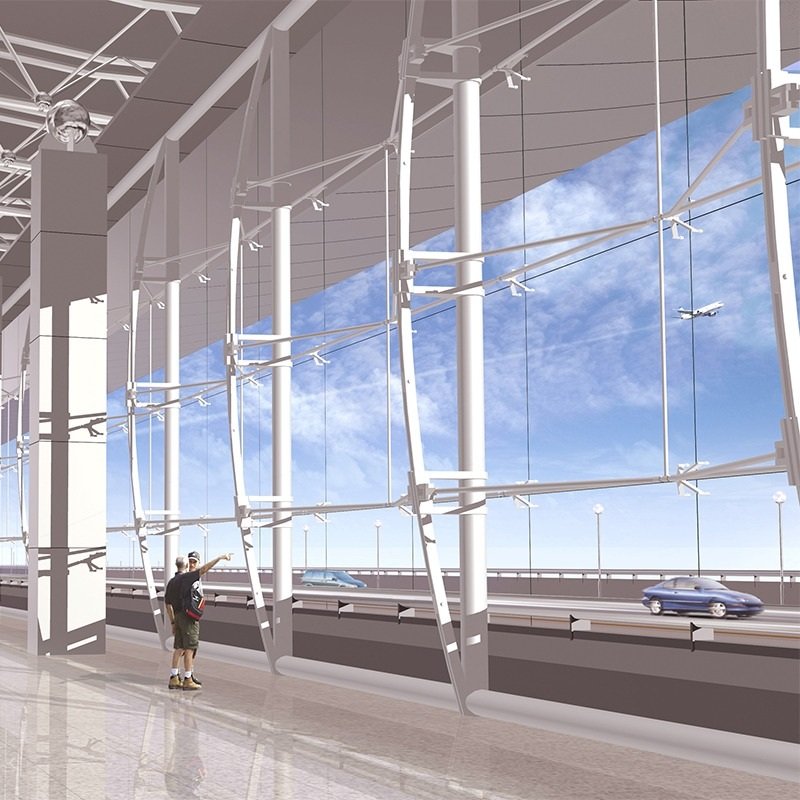
Overseas metal ceiling projects often face risks before fabrication even begins. In many cases, these risks are caused by unclear communication between design teams, manufacturers, and installers rather than by the product itself.
Architectural drawings define the overall appearance but may not include the technical details required for custom metal ceiling production, such as panel layouts, connection methods, and MEP coordination. Without accurate shop drawings and early technical confirmation, design changes can result in fabrication adjustments, installation delays, or additional costs.
These risks become more complex in international projects due to different construction practices, communication processes, and installation teams. Successful overseas projects depend on early coordination between designers, manufacturers, and installation teams before issues reach the construction site.
1. Reduce Design Risk Before Metal Ceiling Fabrication Begins
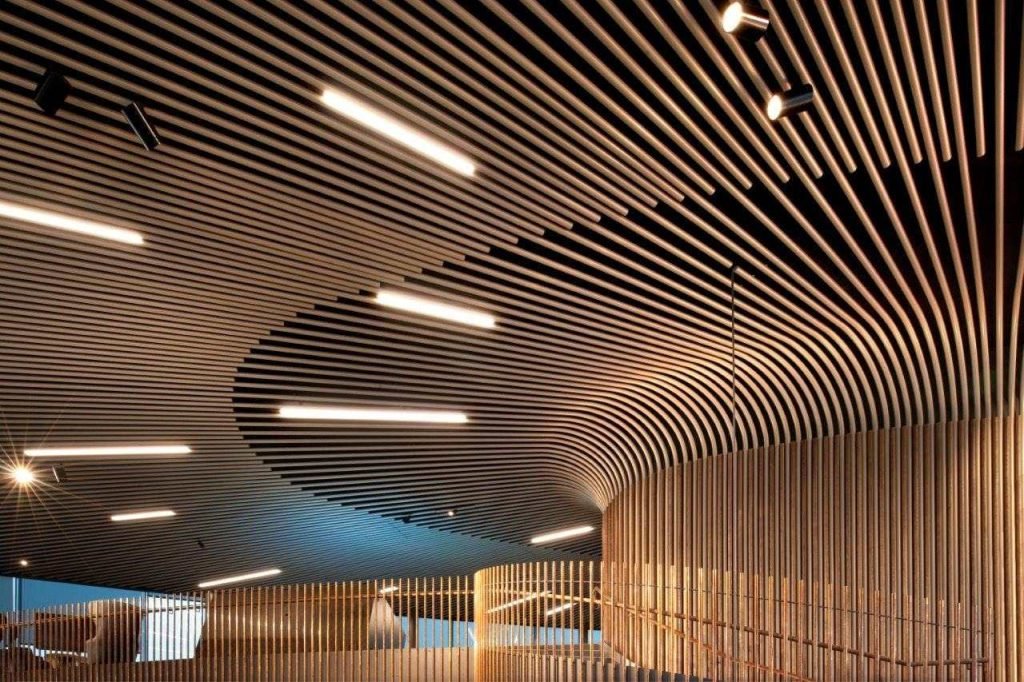
A complete shop drawing review prevents design conflicts from becoming fabrication problems. In overseas projects, architectural drawings usually communicate design intent but may not include the manufacturing details required for custom metal ceiling and commercial metal ceiling systems.
Before fabrication, manufacturers and project teams should confirm technical details that affect production accuracy and installation efficiency.
Key Confirmations Required When Transitioning to Shop Drawings
The transition from architectural drawings to metal ceiling shop drawings is the stage where design conflicts should be reviewed and resolved. Before production, manufacturers should confirm:
1. Confirm panel module size
2. Review connection details
3. Coordinate ceiling grid layout
4. Check MEP integration
These details ensure that the final metal ceiling system matches both the design requirements and site conditions.
Confirm Ceiling Layout and Building Coordination
Project teams should review panel dimensions, installation direction, joint locations, and edge details before finalizing production drawings. This is especially important for large commercial spaces where inconsistent panel layouts can affect the overall visual alignment.
The ceiling system should also be coordinated with HVAC equipment, lighting systems, fire protection devices, and access panels. Changes after fabrication may require panel modification and create additional project delays.
Confirm Critical Details Through Technical Review
Before full production, overseas projects should confirm:
-
- Shop Drawings
-
- Installation Drawings
-
- Sample Panels / Mock-ups
These documents help verify connection methods, suspension systems, surface finishes, color consistency, and custom geometric details. Early confirmation reduces the risk of producing panels that require modification during installation.
2. Control Fabrication Risk Through Manufacturing Coordination
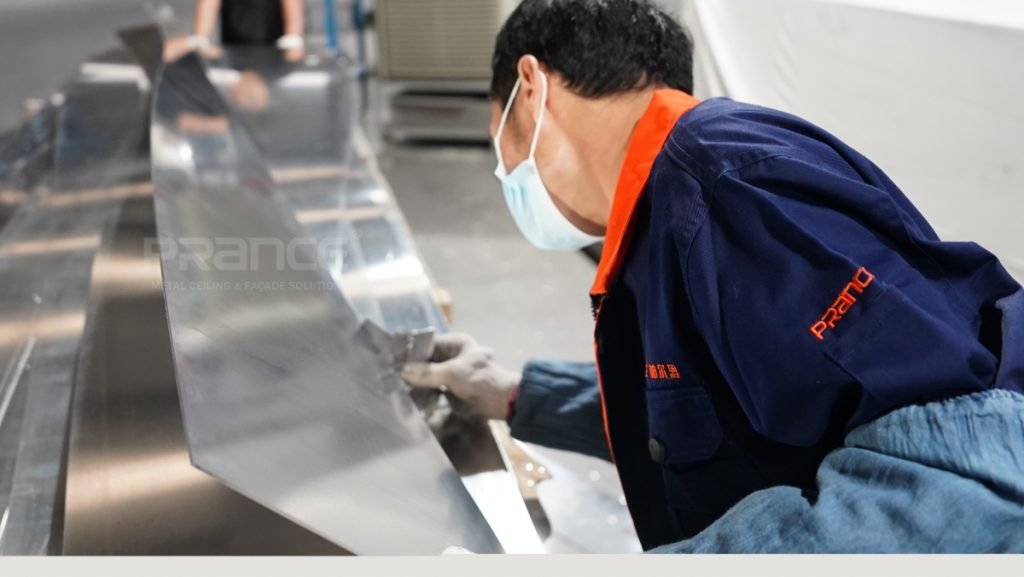
After design approval, the next challenge is converting the design concept into a stable manufacturing process.
Metal ceiling fabrication requires manufacturers to convert approved design information into production-ready panels.
This stage becomes more challenging for:
-
- Large-scale commercial ceiling projects
-
- Custom metal ceiling panels
-
- Customized aluminum panel systems
-
- Curved or irregular ceiling designs
Manufacturing decisions made during this stage directly affect the final installation quality and project efficiency.
Confirm Material, Dimension, and Surface Requirements Before Production
A clear understanding of project requirements helps manufacturers avoid production errors. Before fabrication, manufacturers will confirm ceilingm material, panel dimensions, coating requirements, and surface finish based on the project requirement.
For indoor commercial spaces, designers usually consider visual consistency, acoustic comfort, and interior coordination. For outdoor or semi-outdoor applications, the system needs to address weather exposure, corrosion resistance, and surface durability.
For example, an exterior aluminum ceiling system requires different material and coating considerations compared with an indoor retail ceiling.
Maintain Dimensional Accuracy During Fabrication
Dimensional accuracy is critical for customized ceiling systems, especially for large aluminum ceiling panels and complex layouts. Small variations in individual panels can accumulate across a large ceiling area, resulting in uneven joints, pattern misalignment, and installation difficulties.
During metal ceiling fabrication, manufacturers should control key processes through:
-
- Dimensional inspection
-
- Pre-assembly testing
-
- Surface quality checks
These steps help confirm that fabricated panels match the approved drawings before shipment.
Establish Quality Control Before Shipment
One major risk in overseas projects is identifying fabrication problems only after materials arrive on-site. At this stage, corrections may involve additional production, replacement components, and extended project coordination.
A structured quality control process should include:
Before production:
-
- Drawing confirmation and material verification
During fabrication:
-
- Dimension checks, fabrication accuracy, and surface inspection
Before shipment:
-
- Packaging, labeling, and quantity verification
Clear labeling and documentation also help overseas installation teams quickly identify components and follow the correct installation sequence.
3. Minimize Installation Risk with Technical Support
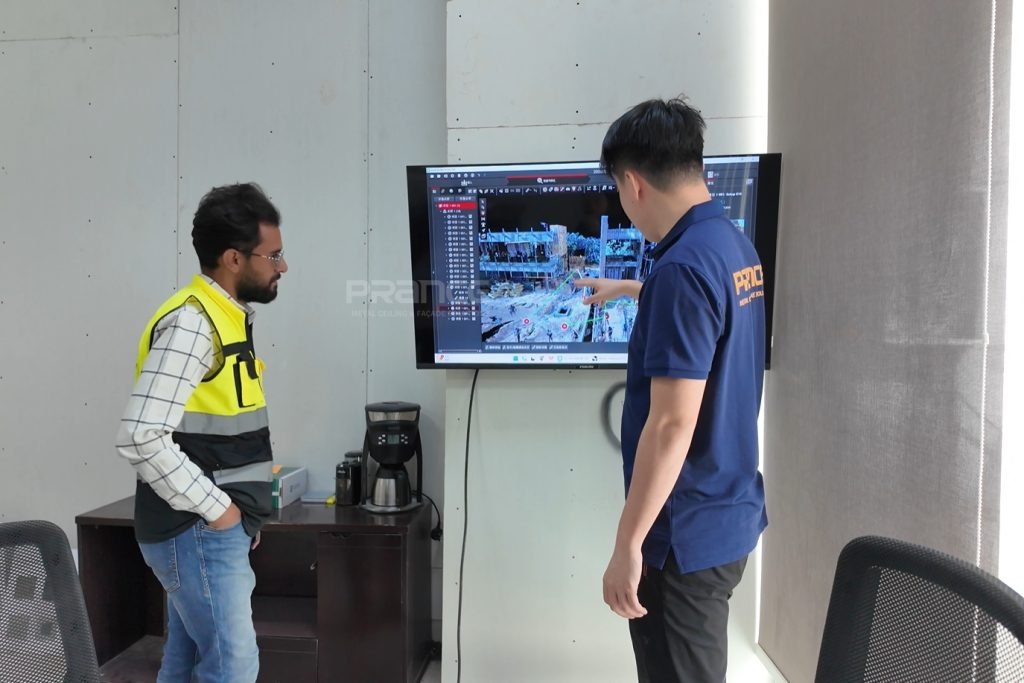
Even accurately fabricated panels can fail to achieve the intended result if installation teams lack clear technical guidance. The installation stage determines whether the final result matches the original design intent.
Overseas metal ceiling projects often involve different construction teams, local installation practices, and changing site conditions. Without proper technical guidance, even correctly manufactured panels can experience installation issues due to unclear connection methods, site adjustments, or coordination problems with other trades.
Manufacturers should provide technical support throughout the metal ceiling installation process instead of only delivering finished products.
Provide Clear Installation Documents and Technical Instructions
A complete installation package should include:
-
- Installation drawings
-
- Connection details
-
- Panel coding system
-
- Installation sequence guidance
Clear documentation helps contractors understand the relationship between panels, suspension systems, and supporting structures. It also reduces installation errors caused by unclear assembly methods or on-site interpretation differences.
Support Site Coordination During Construction
Actual site conditions may differ from the original design, especially in complex overseas projects. Common challenges include structural dimension differences, adjustments from other trades, and changes in MEP layouts.
Experienced manufacturers can help project teams evaluate whether installation methods need adjustment, whether specific components require modification, and how to manage acceptable site tolerances.
For example, if actual ceiling dimensions differ from approved drawings, technical coordination can determine whether the system requires local adjustment or customized replacement components.
Timely technical coordination helps prevent unnecessary downtime and ensures the completed ceiling system maintains the intended design appearance.
Common Mistakes to Avoid in Overseas Metal Ceiling Projects
Starting Production Before Design Details Are Fully Confirmed
One common mistake in overseas metal ceiling projects is beginning fabrication based only on preliminary drawings.
This approach increases the risk of:
-
- Incorrect panel dimensions
-
- Connection conflicts
-
- Additional modification costs
The better approach is to complete shop drawings, connection details, and sample confirmation before production. A reliable manufacturer should help review these details and identify potential issues before fabrication begins.
Choosing Suppliers Based Only on Unit Price
A lower product price does not always reduce the total project cost. For overseas projects, selecting a custom metal ceiling manufacturer requires evaluating more than fabrication capacity or initial quotation.
Project teams should consider whether the supplier can provide:
-
- Engineering support during design review
-
- Technical documentation and shop drawings
-
- Installation guidance for overseas projects
Without these services, small design or installation problems can lead to higher rework costs and project delays later.
Ignoring Installation Planning and Material Identification
Overseas projects often involve long-distance transportation and multiple construction teams. Without proper panel labeling, documentation, and installation planning, teams may experience:
-
- Difficulty identifying components
-
- Incorrect installation sequences
-
- Installation errors caused by unclear panel coordination
Project planning should include installation preparation from the beginning, not after materials arrive on-site. Manufacturers with overseas project experience can support component identification, installation coordination, and technical communication throughout the construction process.
What to Look for in an Overseas Metal Ceiling Partner

Selecting a supplier for an overseas project requires more than checking manufacturing capability. For overseas projects, the right supplier should provide support beyond fabrication, including design review, technical coordination, and installation guidance.
Engineering Refinement Capability
A qualified manufacturer should help transform design concepts into practical solutions through:
-
- Shop drawings
-
- Technical recommendations
-
- Connection optimization
This support helps ensure that the final metal ceiling system can be manufactured accurately and installed according to the approved design.
Custom Manufacturing Capability
Many overseas projects require customized solutions, including non-standard dimensions, unique ceiling forms, and specialized finishes.
For aluminum ceiling panels, manufacturers should have the capability to manage key production considerations such as aluminum alloy selection, surface coating, and finish selection based on the application environment.
The manufacturer should also maintain flexible fabrication capabilities and consistent quality control to support different project requirements.
Overseas Project Coordination Experience
International projects require experience beyond production. Manufacturers with overseas project experience understand:
-
- Cross-border communication
-
- Different construction methods
-
- Installation coordination requirements
This experience helps suppliers provide better technical support, reduce coordination issues, and maintain project consistency from design development to final installation.
FAQ
1. Can a metal ceiling be customized for unique architectural designs?
Yes. A metal ceiling can be customized for curved layouts, special panel sizes, and complex geometric forms. However, customization requires early technical coordination. Manufacturers should review design drawings, panel dimensions, connection methods, and installation requirements before fabrication. This process helps ensure that custom metal ceiling solutions achieve the intended appearance while remaining practical for production and installation.
2. How should designers plan maintenance access in a metal ceiling system?
Maintenance access should be considered before production rather than added after installation. Designers should coordinate access panels with HVAC equipment, lighting systems, and other building services. A manufacturer can help optimize panel layouts and access locations so maintenance teams can reach essential areas while maintaining the visual consistency of the ceiling design.
3. Is a metal ceiling suitable for renovation projects in existing buildings?
Yes. A metal ceiling system can be suitable for renovation projects because panels and suspension systems can often be adapted to existing spaces. However, manufacturers should review existing ceiling conditions, available installation space, and structural limitations before recommending a solution. Early site evaluation helps avoid conflicts during retrofit installation.
4. Can metal ceilings be used in humid or semi-outdoor environments?
Yes. The material and surface treatment should match the project environment. For areas exposed to moisture or outdoor conditions, manufacturers should evaluate aluminum material selection, protective coating, and finish selection requirements. Proper specification helps improve resistance to corrosion, weather exposure, and long-term surface degradation.
5. What should I consider when selecting a metal ceiling manufacturer for an overseas project?
Project teams should evaluate more than product pricing. A reliable custom metal ceiling manufacturer should provide design coordination, fabrication support, technical documentation, and installation guidance. Experience with overseas projects is also important because different construction practices and site conditions can affect the final installation process.