Aluminum Curtain Wall Systems for Hot and Humid Climates: What Works Best
Introduction
Hot, humid climates present unique demands on building envelopes: very high solar loads, persistent humidity, intense rainfall, and in many coastal locations, salt-laden air. An aluminum facade for tropical climate must control heat gain, manage moisture ingress, and resist accelerated corrosion while delivering the required aesthetics and acoustic performance.
For architects, contractors, and developers, the opportunity is to select systems that reduce lifecycle costs, simplify maintenance, and maintain long-term appearance under difficult environmental stresses. This article outlines practical choices, key test methods, manufacturing and quality control practices, installation precautions, and maintenance regimes that achieve reliable long-term performance in tropical settings.
Why Choose an Aluminum Facade for Tropical Climate
Material Advantages and Climatic Fit
Aluminum provides a high strength-to-weight ratio, excellent formability for complex profiles, and predictable thermal expansion properties when properly engineered. In tropical contexts, the ability to create lightweight, ventilated facades reduces structural loads and supports design freedom for shading devices and perforated elements. When paired with thermal breaks and high-performance coatings, an aluminum facade for tropical climate balances durability with visual versatility.
Common Misconceptions
Corrosion is commonly cited as the principal concern, but many premature failures stem from poor detailing and inadequate pre-treatment. Specifying coastal-grade alloys, robust coatings, and separation from dissimilar metals addresses most corrosion risks. Manufacturing quality control that documents alloy batch numbers and coating bake cycles is essential to prevent surprises later.
Aluminum Facade for Tropical Climate: Material Selection
Select proven 6000-series alloys and design extrusions to accept continuous thermal breaks. Require PVDF or FEVE coatings that meet AAMA 2605 for color and gloss retention, and request mill certificates for traceability.
Thermal Management and Humidity Control
Use insulated spandrels, continuous thermal breaks, and exterior shading to reduce solar gain. Combine exterior shading, low-e glazing, and ventilated cavities to reduce peak cooling loads and avoid interior condensation.
Moisture, Biological Growth and Cleaning Strategies
Design to avoid horizontal ledges where organic matter accumulates. Provide maintenance access and specify cleaning protocols that use approved biocides and low-abrasion methods to preserve coatings.
Technical Features of Aluminum Facade for Tropical Climate
Structural Performance and Weather Resistance
Curtain wall systems must be judged by standardized tests: air infiltration (ASTM E283), water penetration (ASTM E331 / EN 12155), and structural performance (ASTM E330 / EN 13659). For cyclone or typhoon-prone areas, specify elevated pressure classes and provide redundant anchorage details to resist uplift and racking.
Aluminum Facade for Tropical Climate: Drainage and Vapor Management
Adopt pressure-equalized systems or two-stage sealing with dedicated drainage channels. Design weeps that are accessible and self-cleaning, and ensure ventilated cavities have adequate cross-flow to remove trapped moisture quickly.
Coatings, Anodizing, and Corrosion Protection
Demand high-performance fluoropolymer coatings and thicker anodize where exposure is severe. Insist on adhesion and flexibility test results and accelerated QUV and salt spray testing during supplier QC.
Acoustic and Solar Control Features
Combine perforated sunshades, acoustic infill panels, and insulated glazing with low-e coatings to improve occupant comfort. Where noise control is needed, specify STC/OITC targets and consider acoustic baffles behind perforated panels.
Design Considerations for Hot and Humid Sites
Facade Typologies and Trade-offs
Choose between unitized curtain walls, stick-built systems, and ventilated aluminum panel rainscreens based on site logistics, schedule, and maintenance strategy. Each typology changes exposure during construction and affects long-term maintainability.
Unitized vs. Stick Systems — Aluminum Facade for Tropical Climate
Unitized systems maximize factory quality assurance, reduce field sealing time, and limit exposure of critical seals to high humidity. Stick-built systems can be more flexible for phased construction but require stronger site supervision and testing protocols.
Rainscreen and Ventilated Cavities
Ventilated rainscreens decouple the cladding from the insulated wall assembly and promote convective drying. Ensure insect screens and drainage routes are detailed without restricting airflow.
Glazing, Solar Control, and Shading Integration
Coordinate glass selection, low-e coatings, and external shading devices early in design. Shading reduces peak loads; frit patterns improve glare control without sacrificing performance.
Installation, Quality Control, and Maintenance of Aluminum Curtain Walls
Best Practices for Installation and QC
Require full-scale mock-ups and third-party testing prior to bulk installation. Mock-ups validate sealant performance, drainage paths, and interface detailing under realistic conditions. Implement third-party inspection during critical installation stages and maintain rigorous as-built documentation.
Manufacturing and Quality Control Best Practices
Manufacturing QC should include alloy certification, dimensional inspections, pre-treatment records, adhesion and bend tests, and confirmation of paint bake cycles. Implement written hold points around coating application and provide documented non-conformance reports when deviations occur.
Site Sequencing and Protection During Construction
Store units off the ground in ventilated shelters and minimize field cutting. Schedule critical path activities to avoid installing sensitive seals during monsoon periods and protect exposed units from prolonged salt spray or storm-driven rain.
Maintenance Regimes Specific to Humid Climates
Institute a lifecycle maintenance plan: regular wash cycles for coastal grime, annual sealant inspection, and recoating intervals aligned with manufacturer warranties. Train facilities staff to monitor early corrosion indicators and replace sacrificial trims as needed.
Performance, Testing, and Lifecycle Considerations
Predicting Long-term Performance
Rely on lab test metrics and accelerated-weathering data to forecast maintenance cycles. Aluminum’s recyclability contributes to sustainability goals, while thermal control measures reduce operational energy. Use whole-life cost analysis to compare premium upfront systems with lower-cost short-term options.
Energy Performance and Condensation Risk
Perform thermal modeling for U-values and thermal bridging, and run hygrothermal simulations to verify dew point locations within assemblies. Coordinate HVAC dehumidification strategies with façade design where interior latent loads are high.
Durability, Warranties, and Replacement Scenarios
Secure explicit warranties for both coating and structural performance. Require manufacturers to provide documented procedures for module replacement and include spare components in procurement documentation to expedite future repairs.
Cost vs. Performance Trade-offs
Carry out life-cycle cost analysis comparing upfront investments in premium coatings, thermal breaks, and unitized systems with the projected maintenance, energy savings, and replacement cycles over a 20–30 year horizon.
Specifiers’ Recommendations and Checklist for Aluminum Facade for Tropical Climate
Pre-design and Selection
Define local wind, rain, and salt exposure classes; consult regional codes and historic weather data.
Establish target performance levels for air, water, and structural tests (ASTM/EN equivalents).
Select system typology considering crane access, transport logistics, and site safety.
Run early thermal and hygrothermal analyses to validate condensation and dew point behavior.
Procurement and Submittals
Require full-scale mock-ups with site testing for air and water performance before large-scale installation.
Request test reports for ASTM E283, E331, and E330, and accelerated QUV/salt-spray evidence for coatings.
Specify AAMA 2605 or equivalent finish standards and require supplier batch traceability and bake-cycle records.
Include spare parts, spare modules, and clear warranty terms in contracts.
Construction and Handover
Audit factory QC results, collect pre-treatment and paint bake documentation, and implement a non-conformance register.
Protect components on-site; provide ventilated storage and limit field cutting.
Deliver as-built documentation, maintenance manuals, and spare parts inventory at handover.
Case Example: Coastal Commercial Tower (Hypothetical)
Project Brief
A 25-storey coastal commercial tower required a façade that minimized peak cooling demand, resisted salt corrosion, and complied with a compressed schedule. The asset owner prioritized predictable operating budgets and tenant comfort.
System Selection and Rationale
The project used unitized curtain wall modules with ventilated spandrels, PVDF 70% solids finish to AAMA 2605, and stainless steel fasteners with insulating washers to prevent galvanic corrosion. Unitized modules reduced wet-work on site during monsoon months and improved seal consistency.
Performance Outcomes and Lessons Learned
Mock-ups passed high-pressure air and water tests. Post-occupancy modeling showed a 10–12% reduction in peak cooling demand compared with an unshaded glazing strategy. Key lessons included early coordination of cavity drainage paths, specification of inspection-friendly weeps, and budgeting for scheduled soft washing in the first five years.
Addressing Objections and Common Concerns
Q: Will aluminum corrode in tropical climates?
A: When specified correctly with coastal alloys, barrier coatings, and separation of dissimilar metals, corrosion is controllable. Design for replaceable trims in highly exposed locations and schedule periodic inspections.
Q: Is maintenance intensive?
A: Routine tasks—annual inspections, regular rinsing in coastal areas, and timely resealing—are sufficient for most systems. Premium coatings and thoughtful detailing reduce long-term maintenance burdens.
Q: Are unitized systems worth the extra cost?
A: For tall, exposed, or schedule-sensitive projects, unitized systems usually provide better long-term value through improved factory QA and fewer field-related defects.
Additional Technical Guidance and Materials Notes
Fasteners and Isolation
Use stainless-steel fasteners (grade 316 in coastal zones) and isolate dissimilar metals with non-conductive washers or thermal break pads. Avoid direct contact between aluminum and untreated steel; detail sacrificial trim where debris and salt accumulation is expected.
Gaskets and Sealants
Specify durable, UV-stable gaskets such as EPDM or silicone hybrids rated for high humidity; require sealant movement capability consistent with joint sizes. Use primer and substrate testing records to ensure adhesion in humid conditions.
Thermal Break Materials and Metrics
Specify polyamide or engineered thermoplastic thermal breaks with documented thermal conductivity values and continuous geometry to reduce thermal bridging. Provide target center-of-glass U-values and whole-assembly U-values in procurement documents for compliance.
Inspection and Lifecycle Examples
Plan annual inspections for sealant integrity and biannual rinsing in marine environments. Increasing the upfront façade budget by 8–12% for premium coatings and unitized modules can reduce total 30-year lifecycle costs by 20–30%.
Procurement, Training, and Sustainability Considerations
Procurement language should require supplier QC evidence, sample warranties, and spare-part provisions. Include explicit acceptance criteria tied to ASTM/AAMA test reports and hold payment milestones to documented mock-up performance.
Train onsite crews and facilities management staff on cleaning techniques, fall-protection for maintenance, and how to replace sacrificial trims quickly.
Specify recycled aluminum content when relevant and request EPDs (Environmental Product Declarations) for embodied carbon comparisons. Aluminum is highly recyclable; specifying a high percentage of recycled content can materially lower the embodied carbon of façade assemblies without sacrificing performance.
FAQ
Q1: How long do aluminum facades last in tropical climates?
A1: A properly specified aluminum facade for tropical climate will often exceed 30 years when using premium alloys, PVDF AAMA 2605 coatings, documented manufacturing QC, and a planned maintenance program.
Q2: Which tests matter most when specifying tropical facades?
A2: Require ASTM E283 (air infiltration), ASTM E331 / EN 12155 (water penetration), ASTM E330 (structural), plus QUV and salt spray data for coatings.
Q3: Should I use unitized or stick-built systems?
A3: Unitized systems reduce onsite humidity exposure and improve factory QA, making them preferable for many tropical projects.
Q4: What coatings prevent fade and corrosion near the sea?
A4: PVDF 70% fluoropolymer coatings meeting AAMA 2605, optionally combined with thicker anodize, resist fading and corrosion in coastal settings.
Q5: How do I prevent condensation in insulated assemblies?
A5: Use continuous thermal breaks, ventilated cavities, and hygrothermal modeling to locate vapor control layers correctly.
Looking for custom-designed ceilings, walls, or facades to elevate your project? Explore PRANCE Design’s integrated design and manufacturing solutions, and create the perfect fit for your architectural needs today!

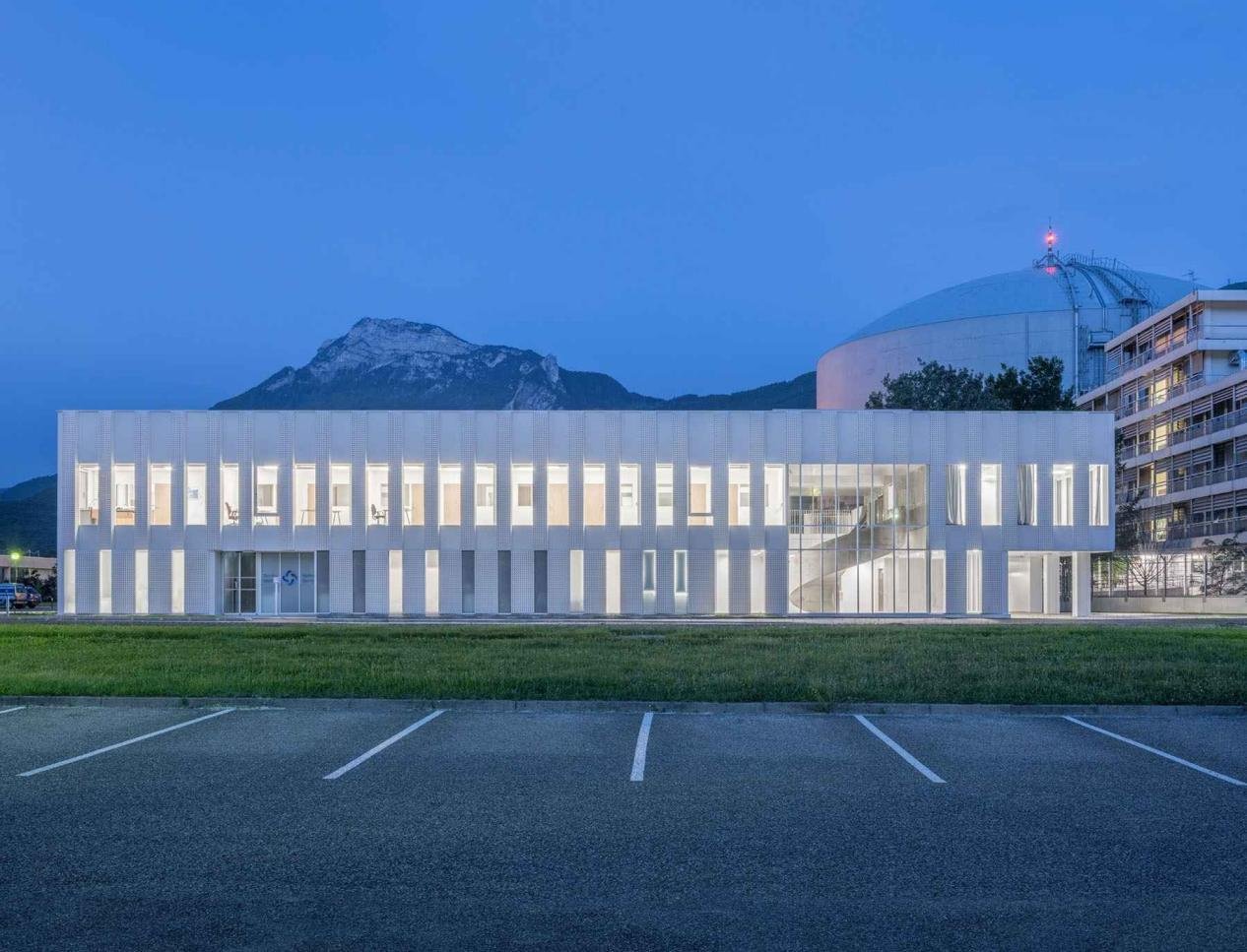 Hot, humid climates present unique demands on building envelopes: very high solar loads, persistent humidity, intense rainfall, and in many coastal locations, salt-laden air. An aluminum facade for tropical climate must control heat gain, manage moisture ingress, and resist accelerated corrosion while delivering the required aesthetics and acoustic performance.
For architects, contractors, and developers, the opportunity is to select systems that reduce lifecycle costs, simplify maintenance, and maintain long-term appearance under difficult environmental stresses. This article outlines practical choices, key test methods, manufacturing and quality control practices, installation precautions, and maintenance regimes that achieve reliable long-term performance in tropical settings.
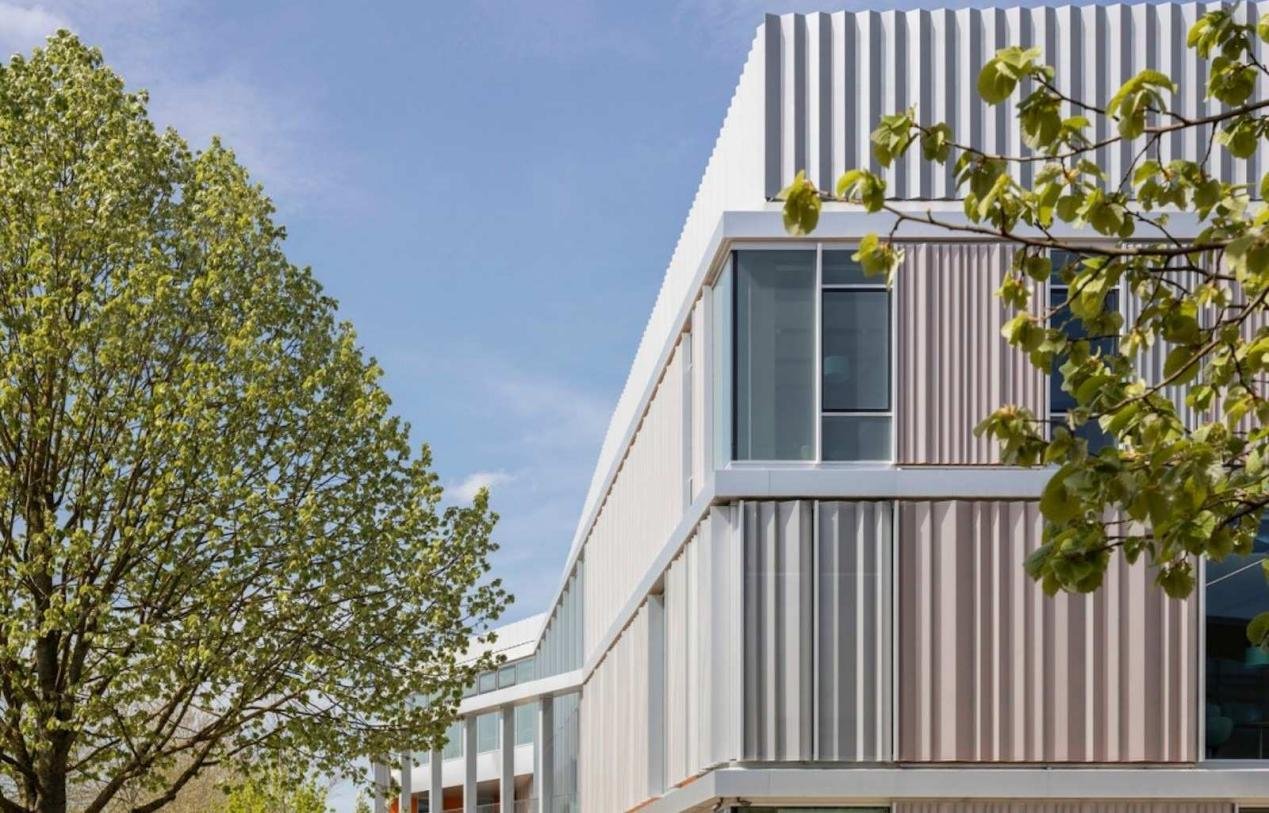


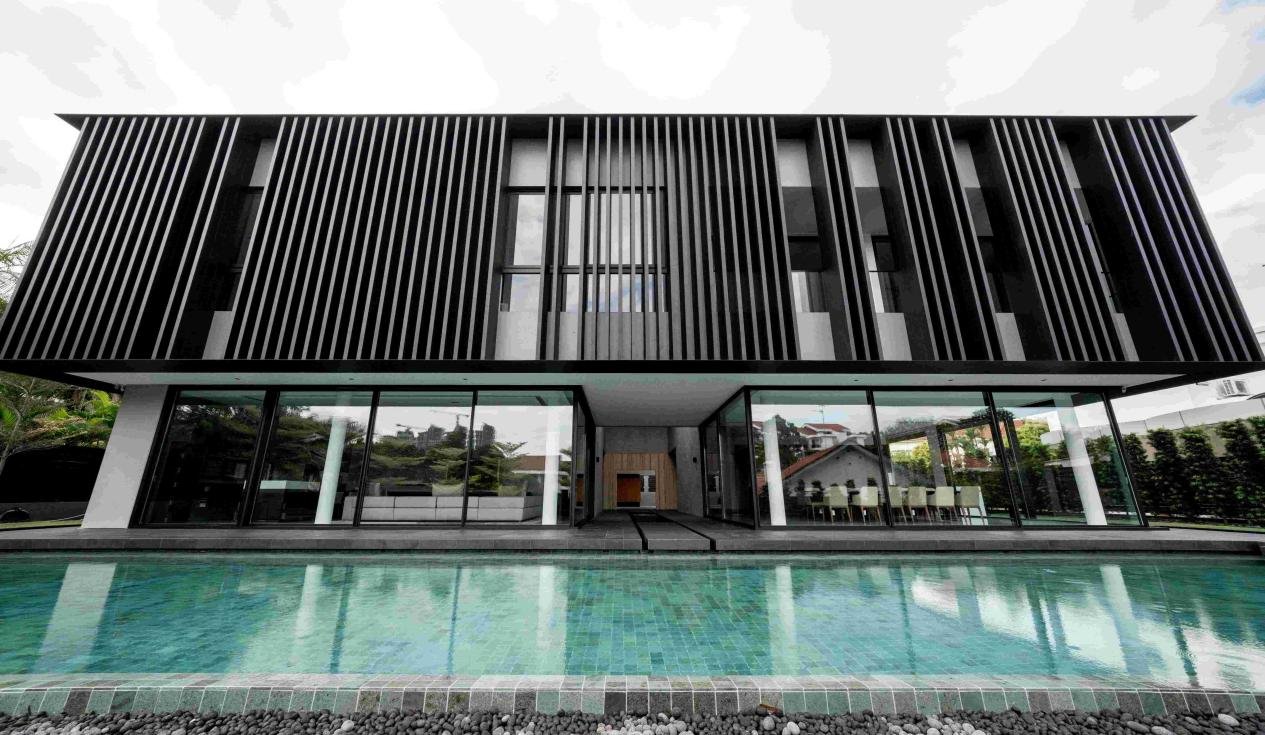
 Perform thermal modeling for U-values and thermal bridging, and run hygrothermal simulations to verify dew point locations within assemblies. Coordinate HVAC dehumidification strategies with façade design where interior latent loads are high.
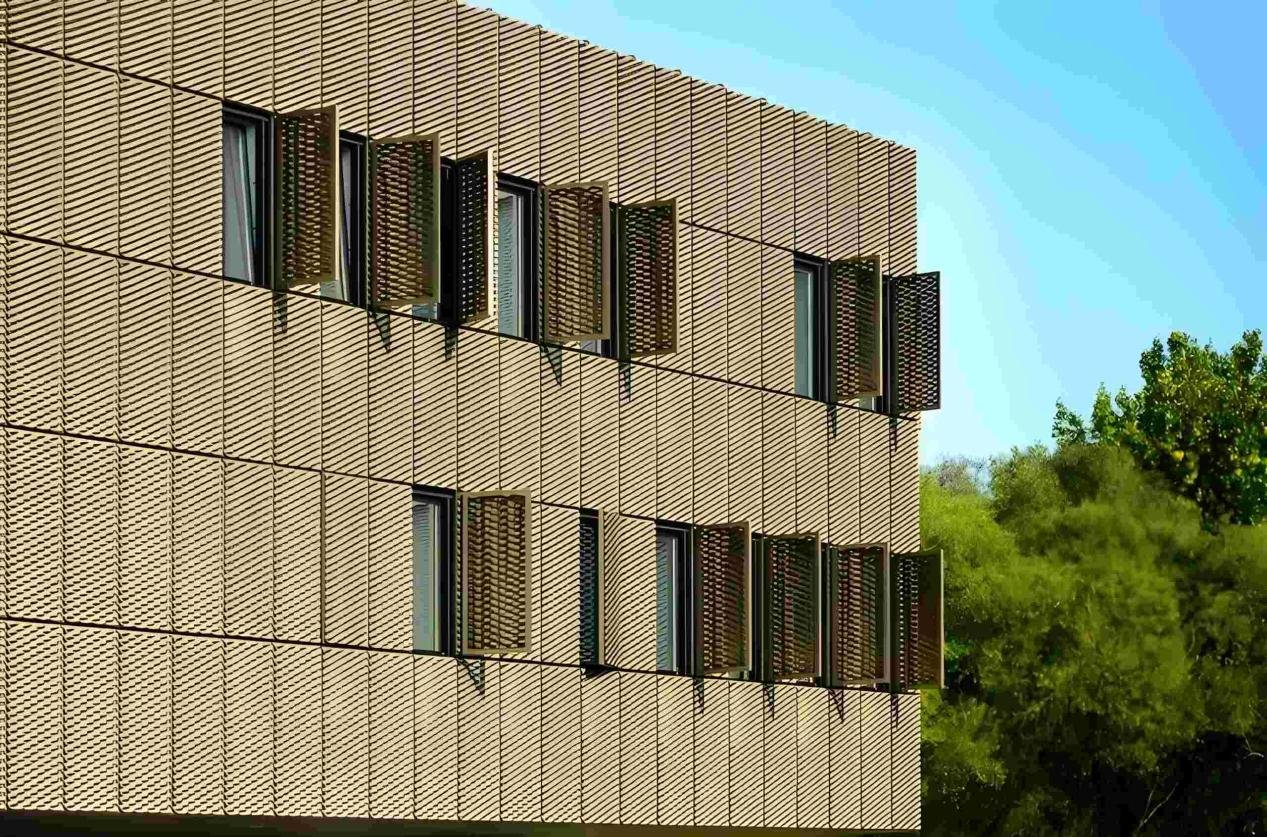

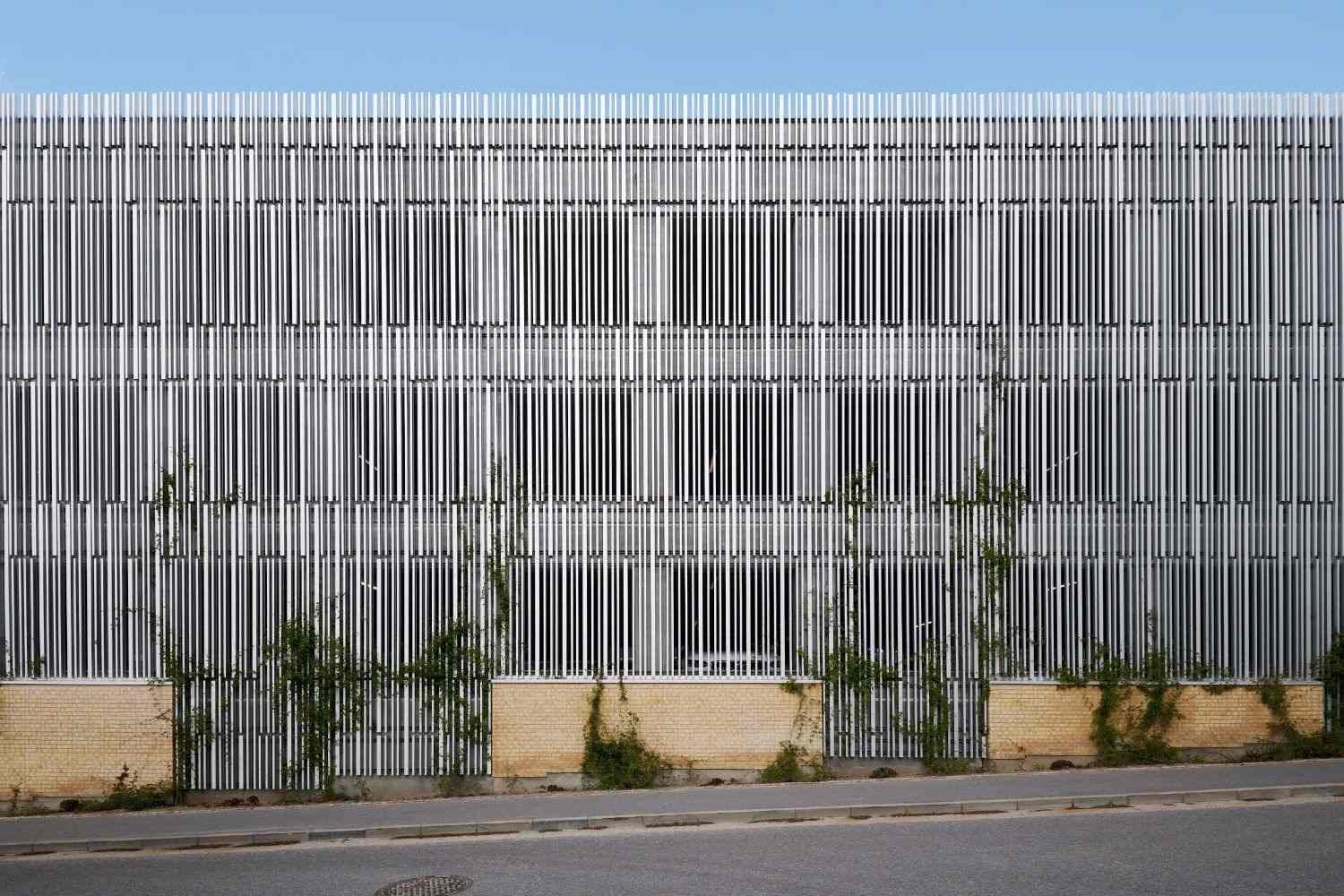 Q: Will aluminum corrode in tropical climates?
A: When specified correctly with coastal alloys, barrier coatings, and separation of dissimilar metals, corrosion is controllable. Design for replaceable trims in highly exposed locations and schedule periodic inspections.
Q: Is maintenance intensive?
A: Routine tasks—annual inspections, regular rinsing in coastal areas, and timely resealing—are sufficient for most systems. Premium coatings and thoughtful detailing reduce long-term maintenance burdens.
Q: Are unitized systems worth the extra cost?
A: For tall, exposed, or schedule-sensitive projects, unitized systems usually provide better long-term value through improved factory QA and fewer field-related defects.


