How do different coating technologies affect the longevity and appearance of a metal ceiling installation?
Introduction
A well-specified metal ceiling combines aesthetics, durability, and low life-cycle cost. Choosing the right coating technology is essential because it directly affects substrate protection, color retention, and cleanability. Architects, contractors, and facility managers must evaluate both short-term appearance and long-term performance when specifying finishes for interior and exterior projects.
Why coatings matter for metal ceiling
Coatings form the first line of defense against UV, moisture, abrasion, and chemical cleaning agents. The wrong finish can require early repainting or replacement, creating unexpected downtime and expense. Specifiers should therefore assess quantitative performance metrics—not just visual samples—when comparing products.
Scope and who should read this article
This article is written for architects, façade engineers, contractors, and procurement teams involved in specifying metal ceiling systems. It covers coating families, test methods, installation and maintenance best practices, procurement checklists, and a practical case example to guide real-world decision-making.
Coating technologies and their technical features for metal ceiling
PVDF-based finishes and their benefits for metal ceiling
PVDF (polyvinylidene fluoride) coatings are a workhorse for high-end metal ceiling applications. They offer excellent UV resistance, superior color and gloss retention, and long-term chalk resistance under accelerated weathering tests. Typical factory-applied film thickness ranges 20–30 microns for liquid PVDF systems; fluoropolymer variants with robust pretreatments can achieve decades of predictable color stability in many climates.
PVDF systems are usually specified with test data such as QUV accelerated weathering, ΔE measurements from spectrophotometer readings, and cyclic corrosion results to show resistance under coastal or industrial exposures. Their advantages include lower repaint frequency and consistent warranty performance when paired with proper pretreatment and film-thickness control.
Polyester and modified polyester for budget metal ceiling options
Polyester coatings offer good initial appearance at a lower first cost and are widely used for interior metal ceiling panels and sheltered external soffits. Modified polyesters (e.g., TGIC-free or polyester hybrids) provide improved flexibility and abrasion resistance compared to basic polyesters, but their long-term colorfastness is typically lower than PVDF when used outdoors.
Polyester is appropriate where budgets or color choices matter and exposure is limited. Decision-makers should require accelerated weathering data and specify replacement intervals in life-cycle cost analyses when choosing polyester for semi-exposed locations.
Powder coatings and anodized finishes for functional aesthetics
Powder coatings provide thicker film builds (commonly 40–80 microns) and excellent abrasion resistance with no solvent VOCs during application. When formulated for exterior exposure or with UV stabilizers, powder systems can be suitable for certain exterior metal ceiling uses; however, check QUV and outdoor fade results. Anodized aluminum delivers an inorganic, wear-resistant surface with limited color options but exceptional durability and a clean metallic aesthetic.
Powder and anodized finishes are often chosen for tactile reasons (scratch resistance, texture) or when a thicker protective film is required—for example, high-traffic interiors or exposed soffit edges.
Design considerations for metal ceiling coatings
Color selection, gloss, and perceived longevity for metal ceiling
Color and gloss level influence perceived quality and maintenance frequency. Lighter colors and low- to mid-gloss finishes typically hide dust and minor surface imperfections better than high-gloss dark hues. Specify appearance-retention targets—such as maximum ΔE thresholds over defined QUV cycles—to ensure the chosen color will meet design expectations over time.
Substrate compatibility and pretreatment requirements for metal ceiling
Successful coating performance starts with surface preparation: degreasing, conversion coating (e.g., chromium-free zirconium or zinc-based treatments), and consistent surface profile for adhesion. Pretreatment compatibility with the selected coating family must be specified to reduce risks of blistering or delamination. For aluminum, ensure the supplier documents conversion chemistry and provides adhesion testing results.
Acoustic performance, perforation patterns, and coating coverage
Perforation, edge kerfs, and formed geometries introduce coverage challenges. Choose application methods and film builds that ensure full coverage inside perforations and around bends. Specify sealing of exposed edges where necessary to protect against moisture ingress and galvanic corrosion between dissimilar metals used in support systems.
Installation, performance and maintenance of metal ceiling coatings
Field handling, storage, and protection of coated metal ceiling panels
Protect factory finishes by storing panels flat, indoors, and separated by soft barriers. Use removable protective films that are compatible with the coating chemistry; some adhesives can leave residues that interact with PVDF or powder surfaces. Avoid stacking that causes abrasion and document storage conditions during long site delays.
Installation best practices and on-site touch-up for metal ceiling
Where possible, use factory-finished panels to minimize on-site finishing. When cutting or drilling in the field, specify approved touch-up products from the coating manufacturer and require that touch-up film build and color match are verified via small sample patches. Avoid solvent-based cleaners that can soften or craze certain finishes; list approved cleaning agents in the project manual.
Performance monitoring and maintenance schedules for metal ceiling
Establish an inspection and maintenance program tied to exposure class. Interior panels generally require quarterly dusting and annual checks; exterior soffits, especially in coastal or industrial zones, should be inspected every 6–12 months. Track gloss and color retention using measurable metrics (glossmeter readings, ΔE) and record results to support warranty claims.
Performance trade-offs: comparison of common coating choices
Trade-off: durability versus initial cost for metal ceiling
Durability improvements typically increase upfront cost. For high-exposure projects, prioritize coatings with proven QUV and cyclic corrosion performance to reduce repaint cycles. Factor access and labor costs into the life-cycle equation when estimating total cost of ownership.
Trade-off: appearance versus maintenance for metal ceiling
High-gloss and specialty textures can require more frequent cleaning. Select finishes that match expected maintenance budgets and cleaning regimes, and verify appearance retention via standardized tests and mock-ups.
Quick comparison table
Coating Type
Durability (UV/Corrosion)
Typical Use Case
PVDF
High — excellent UV and color retention
Exterior, high-exposure metal ceiling soffits
Polyester (modified)
Moderate — best for sheltered applications
Interior metal ceiling and sheltered areas
Powder Coating
High abrasion resistance; variable UV
High-wear interior panels; some exterior uses
Testing, standards and quality control relevant to metal ceiling coatings
Industry test methods that predict real-world metal ceiling behavior
Request specific test results: QUV (ASTM G154) for UV durability, salt spray (ASTM B117) or cyclic corrosion tests for chloride exposure, adhesion (ASTM D3359), and ΔE color change measures from spectrophotometer readings. Critically review the test durations and environmental parameters to ensure they align with the project’s exposure class.
Manufacturing and supplier quality control recommendations
Require batch traceability, consistent film-thickness mapping, and sampled adhesion/hardness testing. Set acceptance tolerances (for example, film thickness within ±10% of specified target) and insist on documented incoming inspections. These manufacturing and quality-control practices reduce lot-to-lot variability and support more reliable warranties.
Warranty language and performance metrics to require in contracts
Define measurable warranty limits: maximum allowable ΔE over a fixed period, minimum film thickness, adhesion criteria, and remedial processes if performance limits are exceeded. Avoid vague contractual language like “reasonable fade” and require supporting test evidence.
Specifying for real projects: checklist and decision guide for metal ceiling coatings
Step-by-step specification checklist for metal ceiling decision-makers
Define exposure class (interior, sheltered exterior, coastal, industrial).
Choose the coating family tied to exposure (PVDF for high exposure; polyester for interiors).
Specify pretreatment and minimum film thickness (e.g., PVDF ≥25 μm).
Request factory sample panels and independent test certificates.
Mandate factory finishing, protective packaging, and approved touch-up materials.
Budgeting and life-cycle cost considerations for metal ceiling
Compare initial cost and projected repaint intervals. Use simple life-cycle math: annualized cost = (material + installation) / expected service years. PVDF often justifies a higher initial outlay through reduced repaint or replacement frequency.
Addressing common objections about coating selection
If clients object to higher-price coatings, provide sample panels, third-party test data, and a lifecycle cost comparison. Documented test results and mock-ups typically resolve concerns about upfront cost versus long-term performance.
Case example: Metal ceiling coating selection for a coastal office tower
Project context and requirements for metal ceiling in a coastal environment
A 20-storey coastal office block requires exterior soffits and a premium interior lobby metal ceiling. The soffits are exposed to salt-laden air and solar radiance; the lobby demands consistent color and low maintenance.
Coating choice, testing, and installation approach for this metal ceiling project
Select a PVDF coating for soffits with a chromium-free conversion pretreatment and minimum 25 μm film thickness, supported by QUV and cyclic corrosion test reports. For the lobby, consider PVDF or a high-grade powder finish depending on texture preferences. Mandate factory finishing, sealed edge details, and protective transport packaging.
Outcome and performance monitoring for the metal ceiling
With a documented PVDF specification and factory QC, projected exterior soffit life commonly exceeds 20 years with controlled color change. Implement annual inspections, record test outcomes, and preserve batch traceability to support warranty claims if needed.
Actionable recommendations and specification checklist
Quick checklist (for contract documents)
Exposure class defined.
Coating family and minimum film thickness stated.
Pretreatment and required test data noted.
Factory finish and packaging mandated.
Approved touch-up and cleaning protocols included.
Practical on-site actions to protect coating investment
Store panels indoors and protect finishes.
Use non-residue protective films.
Train installers and document inspections and touch-ups.
Common concerns and solutions
Concern about color matching after touch-up for metal ceiling
Use manufacturer-supplied touch-up kits and require spectral color matching with ΔE targets (e.g., ΔE <2 for visible match). Record batch numbers for traceability and keep small spare panels to validate future repairs.
Concern about warranty and performance claims
Require measurable warranty metrics and independent third-party test reports. Include a clear remedial process and acceptance tests to resolve disputes objectively.
Conclusion
Coating selection for a metal ceiling is a strategic decision that balances appearance, expected service life, and maintenance burden. Understanding coating chemistry, substrate preparation, testing standards, and on-site best practices allows design teams to specify systems that deliver predictable aesthetics and long-term protection.
Key takeaways for metal ceiling specifiers
Prioritize exposure assessment, insist on quantitative test data (ΔE, salt spray, adhesion), and require factory finishing and documented quality control. For high-exposure projects, PVDF systems typically offer the best balance of color retention and maintenance economy.
Next steps and collaboration
Engage coating suppliers and panel manufacturers early to perform mock-ups and third-party testing. Include clear procurement language for pretreatment, film thickness, sample acceptance, and warranty metrics to reduce ambiguity and protect capital investment.
FAQ
FAQ 1: What determines a metal ceiling’s coating lifespan?
Coating lifespan is driven by coating chemistry (PVDF vs polyester), film thickness, substrate pretreatment quality, and environmental exposure (UV, salt, industrial pollutants). Manufacturing QC—batch traceability, consistent film thickness, and adhesion testing—also matters. Regular maintenance and approved cleaning procedures reduce micro-abrasion and extend service life. When specifying a metal ceiling, require quantitative test data (ΔE color change, QUV cycles, salt spray) and a clear warranty tied to those metrics.
FAQ 2: Can I use powder-coated panels for exterior metal ceiling?
Yes. Powder-coated panels can work for exterior metal ceiling applications when the formulation is UV-stable, film thickness is adequate, and the substrate pretreatment is correct. Require outdoor-grade powder systems, QUV and salt-spray test data, sealed cut edges, and protective packaging. Insist on factory samples and independent test verification for the exposure class you expect—especially in coastal or high-UV regions.
FAQ 3: How should I maintain a metal ceiling to preserve appearance?
Maintain interior metal ceiling panels with routine dusting and periodic wiping using manufacturer-approved, non-abrasive cleaners. For exterior or coastal ceilings, schedule inspections every six to twelve months, promptly remove salt/contaminants, and perform scheduled deep cleaning. Keep maintenance records and cleaning product details to support warranty claims and to monitor gloss and ΔE trends over time.
FAQ 4: Are PVDF coatings worth the extra cost for metal ceiling?
Often yes. PVDF coatings deliver superior UV stability, lower chalking, and longer color retention, which typically reduces repainting or replacement frequency. Use life-cycle cost calculations to compare initial premium versus long-term maintenance and replacement costs. For high-exposure façades or high-appearance interiors, PVDF commonly provides better total value for the metal ceiling.
FAQ 5: What tests prove a coating suits my metal ceiling project?
Require industry-standard tests: QUV/accelerated weathering (ASTM G154) for UV durability, salt spray or cyclic corrosion tests (ASTM B117 or cyclic variants) for chloride exposure, adhesion testing (ASTM D3359), and ΔE color change measurements. Ask for testing conditions and durations, compare them with project exposure, and request independent third-party verification for critical or highly visible metal ceiling installations.
Looking for custom-designed ceilings, walls, or facades to elevate your project? Explore PRANCE Design’s integrated design and manufacturing solutions, and create the perfect fit for your architectural needs today!

 A well-specified metal ceiling combines aesthetics, durability, and low life-cycle cost. Choosing the right coating technology is essential because it directly affects substrate protection, color retention, and cleanability. Architects, contractors, and facility managers must evaluate both short-term appearance and long-term performance when specifying finishes for interior and exterior projects.


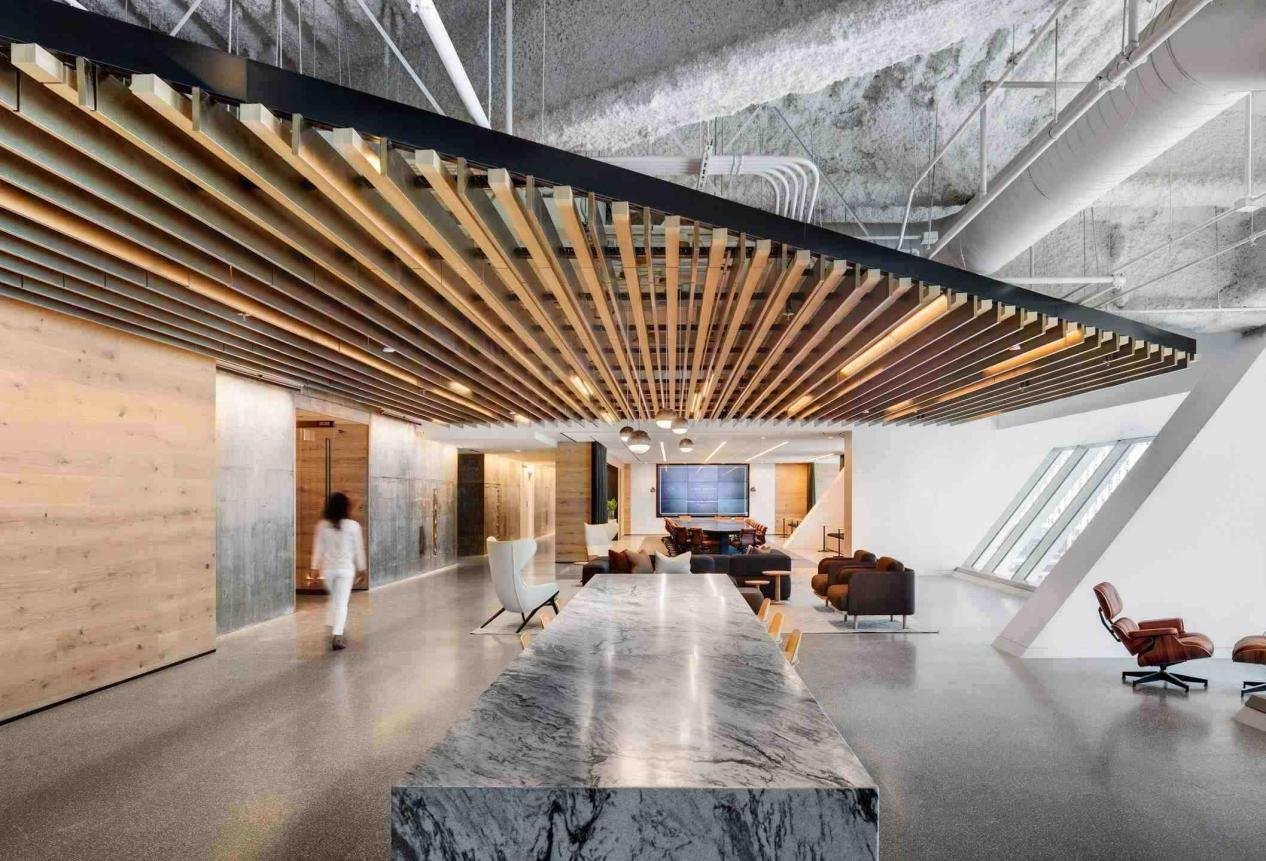


 Coating selection for a metal ceiling is a strategic decision that balances appearance, expected service life, and maintenance burden. Understanding coating chemistry, substrate preparation, testing standards, and on-site best practices allows design teams to specify systems that deliver predictable aesthetics and long-term protection.