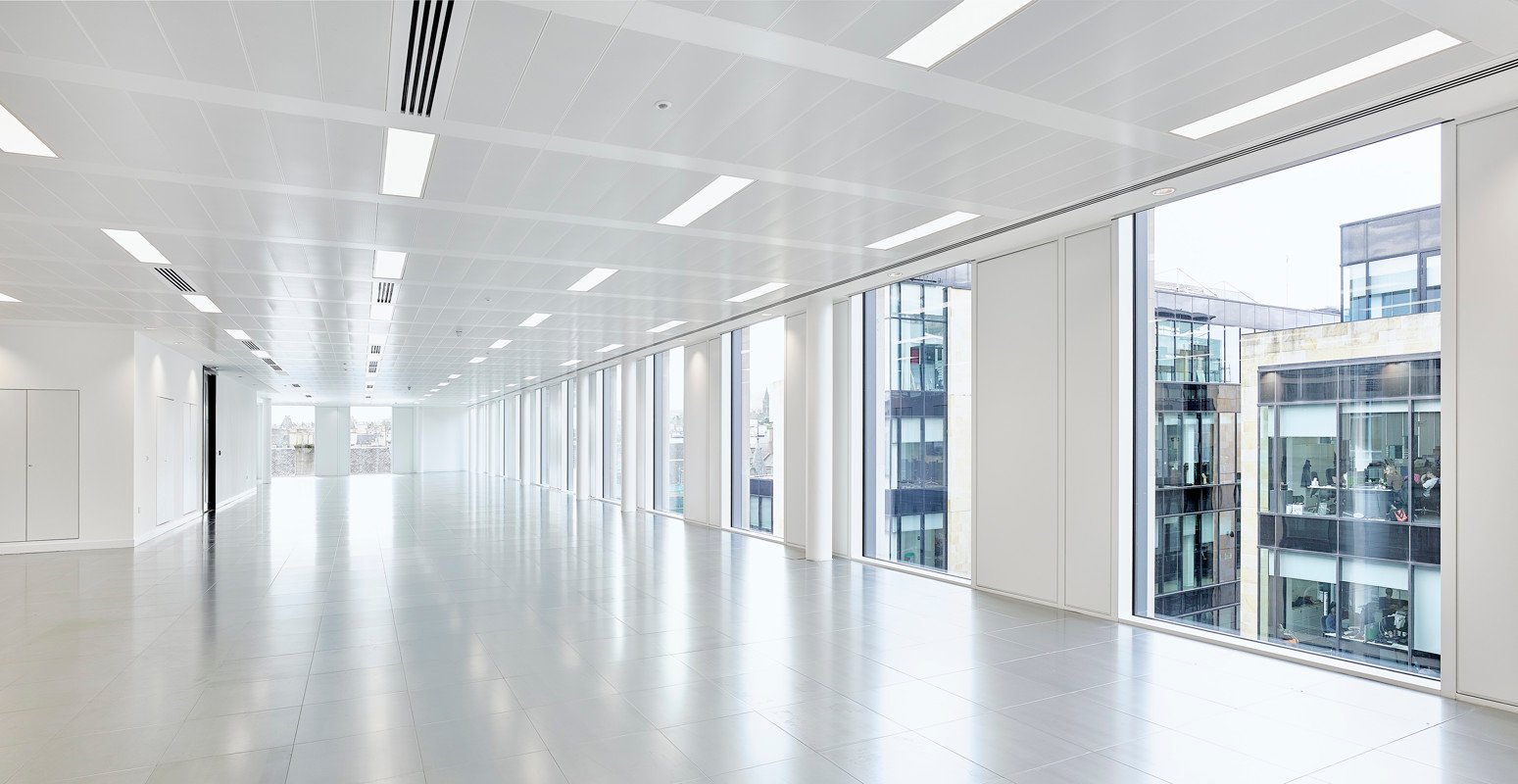
What are cost-effective design alternatives for achieving high daylighting while controlling glare in glass curtain wall systems?
Introduction
High levels of natural light are a major objective for contemporary commercial buildings, but achieving abundant daylight without unacceptable glare is a persistent challenge. A well-designed glass curtain wall can deliver generous daylighting while controlling solar heat gain and glare — if specifiers choose glass types, coatings, shading, and facade geometry intelligently. Combining passive architectural devices, selective glazing, and targeted active shading delivers the best balance between upfront cost, lifecycle energy use, and occupant comfort. This article explains cost-effective alternatives and trade-offs, providing actionable steps, measurable performance metrics, and specification best practices for architects, facade engineers, and procurement teams.
Design strategies for glass curtain wall to maximize daylighting
Daylight harvesting begins with selecting glazing assemblies that offer an appropriate Visible Light Transmittance (VLT) while managing Solar Heat Gain Coefficient (SHGC). Prioritize units with moderate-to-high VLT (45–70%) paired with low-to-moderate SHGC values. Spectrally selective coatings (low-e coatings tuned to reflect near-infrared) allow visible daylight while limiting heat. Where budgets allow, targeted fritting or partial low-iron glass can preserve views in key zones and improve perceived brightness without increasing glare.
Optimizing facade orientation and geometry for a glass curtain wall
Orientation, overhangs, and vertical fins dramatically affect direct sun exposure. Use shallow horizontal overhangs on south elevations and vertical fins on east/west faces to cut low-angle glare. Introduce light shelves or sloped reveals to reflect daylight deep into interior zones without direct sun penetration. Parametric sun-path studies or simple shading masks are a low-cost way to quantify benefits early in the design stage.
Daylight distribution and interior integration for glass curtain wall
Interior reflectance and ceiling geometry are as important as glazing. Combine high VLT glass with light-reflective ceilings and interior baffles to improve uniformity. Consider integrated translucent ceilings or diffusing interlayers for perimeter zones to convert direct light into soft ambient illumination. Seating layouts and workstation depths should be coordinated with facade design to reduce monitor glare and improve daylight usability.
Technical features of glass curtain wall for glare control
glass curtain wall: coatings, frits, and frit patterns
Low-e and spectrally selective coatings remain cost-effective and widely available. Ceramic frit patterns provide a lower-cost alternative to advanced coatings when targeted at hot spots; patterned frits diffuse specular reflections and reduce view glare while preserving transparency where needed. Mock-ups are essential — vary dot size and density to find the balance between solar control and transparency that meets occupant expectations.
Operable elements and integrated shading for glass curtain wall
Externally mounted blinds, motorized roller shades, and integrated Venetian systems offer dynamic glare control. Systems that combine motorized shades with light sensors and time-of-day scheduling maximize occupant comfort and can be specified to default to energy-saving modes during unoccupied hours. For retrofit projects, modular external screens or lightweight fins can be installed with minimal disruption.
Dynamic glazing and high-performance IGUs for glass curtain wall
Electrochromic (dynamic) glazing and thermochromic solutions provide powerful glare and solar control, but cost and integration complexity remain barriers on many projects. A hybrid approach — spectrally selective IGUs for most of the façade and dynamic glazing for executive or high-glare zones — gives strong performance with moderate additional cost. When specifying IGUs, require appropriate cavity gas (argon/krypton where justified), warm-edge spacers, and thermally broken mullions to minimize conductive losses and preserve optical clarity.
Installation and practical guidance for glass curtain wall projects
Fabrication tolerances and on-site handling for glass curtain wall
Proper handling, storage, and installation protect coatings and frits from damage. Enforce manufacturer-recommended edge clearances and glazing pressure settings. Use protection films and remove them per manufacturer guidelines. Minimize on-site storage to reduce breakage and rework costs, and verify that erection crews are trained on coated glass handling.
Sealants, drainage, and long-term performance for glass curtain wall
Detailing that ensures positive drainage, effective gaskets, and compatible sealants reduces water ingress and sealant failures. Specify silicone or hybrid sealants rated for cyclic movement and UV exposure and request mock-up adhesion testing. Detail drainage paths so condensation and wind-driven rain cannot pool inside mullion cavities, a common long-term risk to IGU performance and daylighting consistency.
Commissioning and post-installation tuning for glass curtain wall
Commissioning should include daylight and glare checks: measure VLT in-situ where possible, document daylight illuminance across representative zones using lux meters, and survey occupants during a tuning period. Adjust shading control algorithms to reduce frequent motor starts and tune blind setpoints to minimize glare events during critical hours. Commissioning reduces post-occupancy complaints and can reveal inexpensive tuning opportunities.
Performance, maintenance, and manufacturing quality control
Performance metrics and acceptance testing for glass curtain wall
Key performance indicators include VLT, SHGC, U-factor and Daylight Glare Probability (DGP). Use climate-based daylight modeling (Radiance-based tools or DIVA) to estimate annual useful daylight illuminance (UDI) and DGP hotspots. In specifications, require manufacturer test reports for performance metrics and define on-site acceptance testing, e.g., measured VLT within +/- manufacturer tolerance and no visible coating defects across sampled panels.
Manufacturing best practices for glass curtain wall components
Robust QA/QC lowers field risk. Request documented dimensional inspections, frit adhesion/opacity testing, IGU hermetic seal testing, and thermal break integrity verification. Where possible, require ISO-aligned documentation (inspection plans, non-conformance tracking) and batch traceability so any field issue can be traced to production lots. Factory mock-ups and witness testing reduce the risk of expensive on-site remediation.
Maintenance planning to preserve daylighting and control glare
Design for maintainability: provide safe access for exterior cleaning and shade servicing. Include a maintenance schedule (washing cycles, shade motor inspection, sealant condition checks) in the O&M manual. Plan for periodic inspections at five-year intervals and budget for replacement components (shade motors, seals) to avoid progressive performance degradation that reduces VLT or increases glare.
Value-engineered options and cost trade-offs
Low-cost retrofit and hybrid strategies for glass curtain wall
When full replacement is not feasible, combine passive and active measures: patterned ceramic frit or solar films, targeted external fins, and internal roller shades. Prioritize interventions where occupants report glare or where modeling shows DGP exceedance. These retrofit measures often deliver immediate comfort gains with modest capital outlay.
Balancing initial cost with lifecycle savings for glass curtain wall
Use lifecycle cost analysis to compare up-front glazing and shading costs with projected energy savings from reduced HVAC and lighting loads. In many temperate or warm climates, spectrally selective glass combined with daylight controls yields payback in 5–12 years. Include maintenance and replacement cycles in the analysis; motorized systems and dynamic glazing have higher service costs but may raise occupancy quality and rental premiums.
Comparison table: common options and trade-offs
Strategy
Initial cost
Daylight impact
Glare control
Maintenance
Spectrally selective glass
Medium
High VLT, low SHGC
Good
Low
Ceramic frit / patterned glass
Low
Moderate
Moderate
Low
Exterior fixed fins/overhangs
Low
Depends on design
Good for direct sun
Very low
Motorized shades
Medium
Variable
Excellent
Medium (mechanisms)
Practical recommendations and specification checklist
Actionable checklist for specifiers and decision-makers
Include daylight sensors and shading integration in the control sequence; require manual override.
Require full-scale mock-ups to validate visual appearance and glare performance.
Insist on manufacturer QC documentation and IGU batch traceability.
Include maintenance access and a documented maintenance schedule in the O&M manual.
Use climate-based daylight modeling early to prioritize cost-effective interventions.
Step-by-step specification guidance for glass curtain wall
Start with performance goals: set ranges for VLT, SHGC, and DGP based on climate and orientation.
Select glazing options: compare spectrally selective coatings, frit patterns, and hybrid solutions by measured VLT/SHGC and incremental cost.
Design passive shading geometry and confirm with sun-path studies.
Integrate shading controls and daylight sensors into building automation.
Require commissioning that includes daylight, glare, and sensor performance verification.
Document maintenance responsibilities between owner and tenants.
Case example: Mid-rise office retrofit scenario
Project description and objectives
A 12-story mid-rise office with a unitized curtain wall in a temperate city required higher usable daylight and reduced glare on a constrained budget. The perimeter floors experienced frequent glare complaints and elevated cooling loads during summer months.
Value-engineered solution and outcome
The retrofit combined ceramic frit at lower vision zones, shallow horizontal shades on the south elevation, and motorized roller shades for meeting rooms. Replacement of IGUs with spectrally selective units was limited to the top floors where cooling loads justified the cost. Results: occupant glare complaints dropped by approximately 25–30%, annual cooling energy decreased by 6–9%, and tenant satisfaction improved — all achieved at a fraction of a full curtain-wall replacement cost. The modest capital spend also preserved rental income during construction due to rapid installation scheduling.
Addressing common objections and concerns
Concern: “Shading reduces daylight and views.”
Answer: Carefully chosen spectrally selective glass and low-contrast frits preserve views while controlling heat. Light shelves and interior high-reflectance surfaces distribute daylight deeper into the plan, so shading does not equal loss of daylight—rather it becomes a tool for comfortable, usable light.
Concern: “Motorized systems are expensive and failure-prone.”
Answer: Specify proven, warranty-backed systems and include manual override. Request service-level warranties and include preventive maintenance contracts. With proper selection and controls logic, motorized shading reduces complaints and often produces lifecycle cost benefits.
Concern: “Retrofitting will disrupt operations.”
Answer: Use phased installation, off-peak scheduling, and modular retrofit components. Many interventions (frit application, external fins, film) are fast and can be staged to minimize disruption. Clear tenant communication and short activity windows preserve operations.
FAQ
Q1: How does glazing VLT affect daylight and glare?
A1: Visible Light Transmittance (VLT) controls daylight entry in a glass curtain wall. Higher VLT increases illuminance but raises glare risk; the solution is pairing higher VLT with low SHGC spectrally selective glass or targeted fritting so daylight is maximized without excessive glare.
Q2: Are frit patterns effective for glare control?
A2: Yes. Ceramic frit patterns diffuse specular reflections and lower direct-sun glare on a glass curtain wall. They are durable, cost-effective, and can be applied selectively to preserve view corridors while reducing hotspots.
Q3: What metrics should I require from manufacturers?
A3: Require VLT, SHGC, U-factor, and Daylight Glare Probability (DGP) data. Insist on factory test reports, IGU hermetic-seal testing, and batch traceability to ensure the glass curtain wall performs as documented.
Q4: Can shading controls integrate with building automation systems?
A4: Absolutely. Motorized shades and daylight sensors integrate with BAS for coordinated control of blinds, HVAC, and lighting. Proper integration stabilizes setpoints and reduces energy use while controlling glare across the glass curtain wall perimeter.
Q5: What maintenance keeps daylighting optimal?
A5: Regular exterior cleaning, sealant inspection, and shade mechanism servicing preserve VLT and reduce glare. Include a maintenance schedule and manufacturer service guidance in the O&M manual for the glass curtain wall.
Looking for custom-designed ceilings, walls, or facades to elevate your project? Explore PRANCE Design’s integrated design and manufacturing solutions, and create the perfect fit for your architectural needs today!

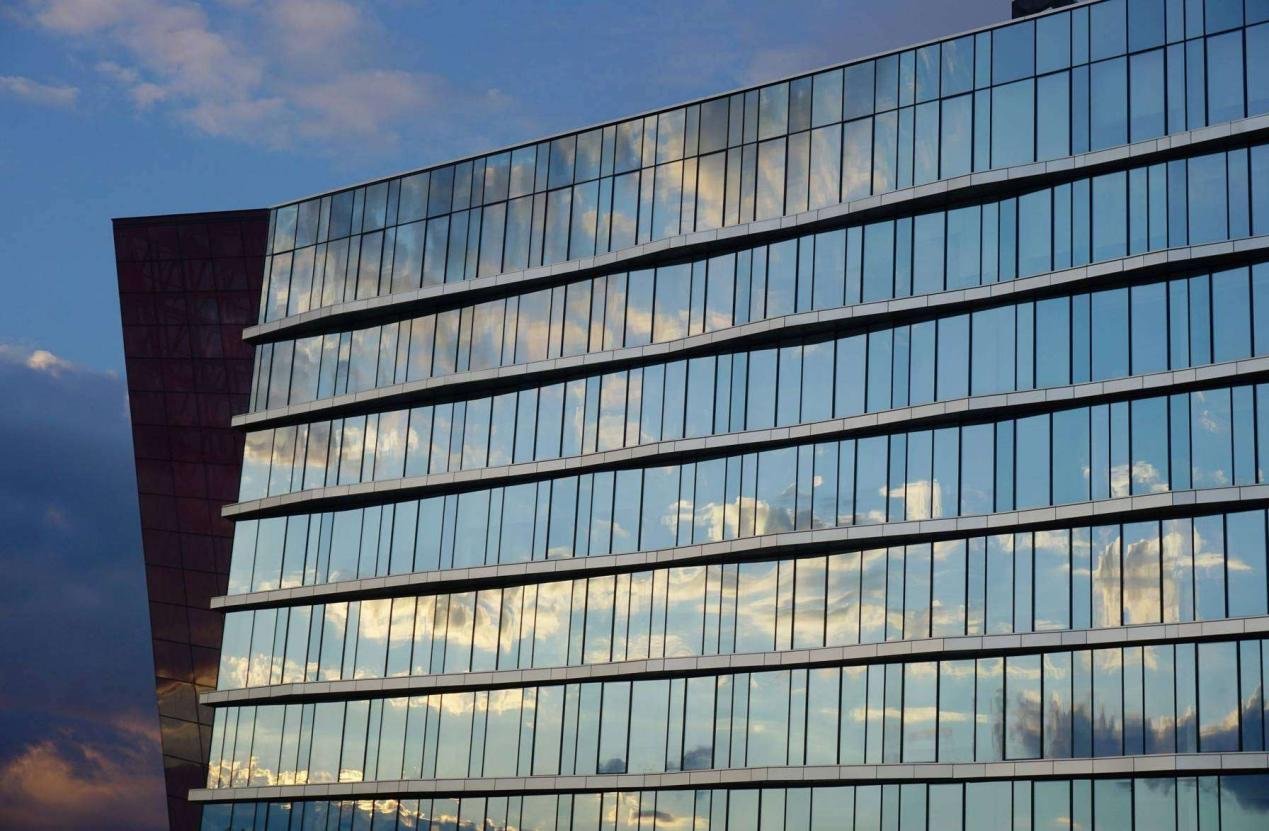 High levels of natural light are a major objective for contemporary commercial buildings, but achieving abundant daylight without unacceptable glare is a persistent challenge. A well-designed glass curtain wall can deliver generous daylighting while controlling solar heat gain and glare — if specifiers choose glass types, coatings, shading, and facade geometry intelligently. Combining passive architectural devices, selective glazing, and targeted active shading delivers the best balance between upfront cost, lifecycle energy use, and occupant comfort. This article explains cost-effective alternatives and trade-offs, providing actionable steps, measurable performance metrics, and specification best practices for architects, facade engineers, and procurement teams.


 Answer: Use phased installation, off-peak scheduling, and modular retrofit components. Many interventions (frit application, external fins, film) are fast and can be staged to minimize disruption. Clear tenant communication and short activity windows preserve operations.